معرفی
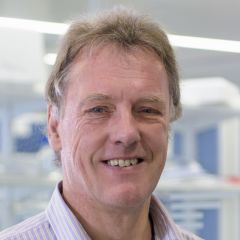
Peter Ratcliffe is a distinguished physician-scientist and Nobel Laureate currently serving as Director of Clinical Research at the Francis Crick Institute since 2016, while maintaining an active position at the University of Oxford as Director of the Target Discovery Institute and member of the Ludwig Institute of Cancer Research. Previously, he was Nuffield Professor of Clinical Medicine and Head of the Nuffield Department of Clinical Medicine at Oxford from 2004-2016. His career spans decades of groundbreaking research in oxygen sensing mechanisms and hypoxia biology, beginning with his medical training at Gonville and Caius College, Cambridge and St. Bartholomew's Hospital, London.
His research interests focus on the molecular mechanisms of oxygen sensing, particularly the HIF (hypoxia inducible factor) pathway and protein hydroxylation. Ratcliffe's laboratory has made fundamental discoveries about how cells sense and adapt to changes in oxygen availability, demonstrating that the oxygen sensing process operates across virtually all animal cells and directs a broad range of cellular and systemic responses to hypoxia including altered energy metabolism, angiogenesis, and cell survival/differentiation decisions. His current work aims to understand the biological roles of signaling through protein hydroxylation and related oxidations, linking these biochemical pathways to physiological control and the pathophysiology of human diseases including cancer and ischemic vascular disease.
Analysis of Ratcliffe's recent publications (2022-2025) reveals a continued focus on the HIF pathway and oxygen sensing mechanisms across multiple biological contexts. His research spans cancer biology (particularly kidney cancer), developmental biology, immunology, and neuroscience, with particular emphasis on how oxygen sensing pathways interact with other cellular systems. Recent work has expanded into single-cell transcriptomics, tumor heterogeneity, immune microenvironment interactions, and the application of these findings to potential therapeutic approaches.
- Fellowship of the Royal Society (2002)
- Academy of Medical Sciences (2002)
- Member of EMBO
- Foreign honorary member of the American Academy of Arts and Sciences
- Louis-Jeantet Prize in Medicine
- Canada Gairdner International Award
- Lasker Award for Basic Biomedical Research
- Knighted for services to medicine (2014)
- Nobel Prize in Physiology or Medicine (2019)
Ratcliffe has led the Hypoxia Biology laboratory since establishing it in 1990 at the Weatherall Institute of Molecular Medicine, Oxford, with funding as a Wellcome Trust Senior Fellow. His research has been consistently supported by major funding bodies including the Wellcome Trust, and his work has had significant translational impact. While specific grant amounts aren't detailed in the provided text, his leadership roles at major institutions and the volume of high-impact publications suggest substantial research support. His laboratory has trained numerous scientists who have gone on to make their own contributions to the field, though specific student names aren't provided in the source material.
Ratcliffe's primary research base is the Hypoxia Biology laboratory, which he established at the Weatherall Institute of Molecular Medicine in Oxford in 1990. Currently, his research continues through his role as Director of Clinical Research at the Francis Crick Institute, where he collaborates with numerous research groups across multiple disciplines. His work involves extensive collaborations with researchers in biochemistry, cell biology, oncology, and physiology, as evidenced by his co-authorship on papers spanning these fields. The laboratory's research integrates molecular, cellular, and physiological approaches to understand oxygen sensing mechanisms and their implications for human health and disease.