معرفی
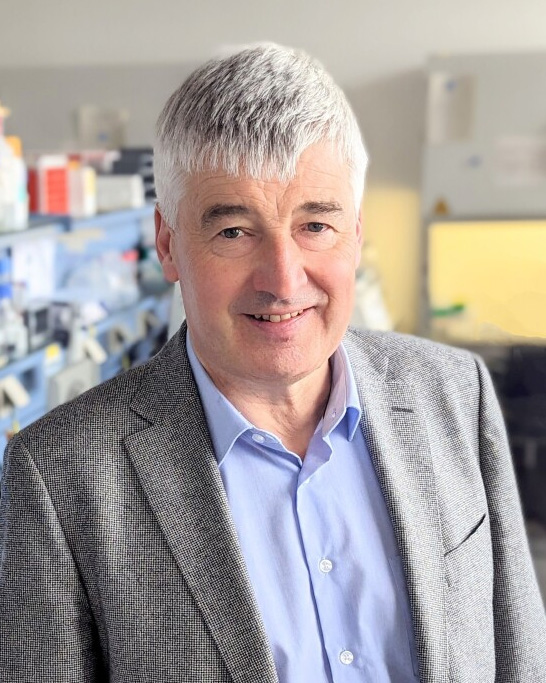
Eric Metzen is a University Professor at the University of Duisburg-Essen, Faculty of Medicine, where he leads the Institute of Physiology's research group focused on oxygen sensing and cellular metabolism. His work primarily investigates how cells respond to oxygen deficiency (hypoxia) through the hypoxia-inducible factor (HIF) pathway.
Professor Metzen's research interests include:
- Cellular oxygen sensing mechanisms
- Hypoxia-inducible factor (HIF) regulation
- Prolyl hydroxylase enzymes and their role in oxygen sensing
- Effects of oxygen deficiency on cell metabolism
- Molecular mechanisms of hypoxia response
His laboratory has made significant contributions to understanding how oxygen-dependent enzymatic hydroxylations regulate HIF activity. The research demonstrates that HIF activity is controlled by oxygen-dependent hydroxylation of specific prolyl and asparaginyl residues, performed by enzymes from the 2-oxoglutarate-dependent dioxygenase superfamily. These hydroxylases function as cellular oxygen sensors, with their activity determining HIF stability and transcriptional activity under varying oxygen conditions.
Professor Metzen's publication record spans over a decade, with research covering diverse aspects of hypoxia response, from basic molecular mechanisms to potential clinical applications in cancer and other diseases. His work has particularly focused on the role of prolyl hydroxylases (PHD1-3) and factor inhibiting HIF (FIH) in controlling HIF-α degradation and transcriptional activity.
Notable scientific contributions include investigations into:
- The role of thiol oxidoreductase ERp57 in tumor cell proliferation
- FIH-1 modulation of protein interactions with ASPP2
- SDF-1/CXCR4 axis in breast carcinoma models
- HIF stabilization mechanisms relevant to radiotherapy
- Endoplasmic reticulum protein interactions with HIF
Professor Metzen maintains an active research laboratory investigating the fundamental mechanisms of cellular oxygen sensing and their implications for human health and disease, with applications in understanding cancer biology and developing potential therapeutic approaches.