معرفی
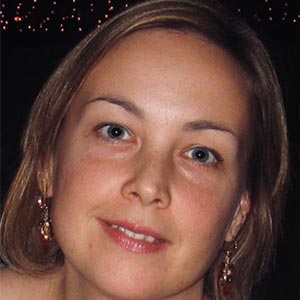
Peter Lazzarini is a prominent Professor at Queensland University of Technology's Faculty of Health, School of Clinical Sciences, specializing in diabetic foot disease research. He has established himself as a leading expert in diabetic foot ulcer management, prevention of amputations, and development of clinical guidelines both in Australia and internationally.
His primary research interests encompass diabetic foot disease, wound care, amputation prevention, clinical guidelines development, biomechanics of diabetic foot, and health services research. Lazzarini's work focuses on translating research findings into practical clinical applications that improve patient outcomes and healthcare systems' effectiveness in managing diabetic foot complications. His research spans epidemiological studies, clinical trials, systematic reviews, and guideline development.
Analysis of his recent publications (2023-2025) reveals a strong focus on evidence-based approaches to diabetic foot care, including offloading treatments, adherence to therapeutic footwear, cognitive aspects of diabetes complications, and health services research. His work demonstrates a progression from basic clinical research to influencing healthcare policy and practice guidelines at national and international levels, particularly through his involvement with the International Working Group on the Diabetic Foot (IWGDF).
Lazzarini has been instrumental in developing the Australian evidence-based guidelines for diabetes-related foot disease and has contributed significantly to international guidelines through the IWGDF. His research has practical applications in clinical settings and has influenced healthcare practices for diabetic foot management globally.
He actively collaborates with researchers across Australia and internationally, working with clinicians, podiatrists, endocrinologists, vascular surgeons, and other healthcare professionals to address the complex challenges of diabetic foot disease. His work often involves multidisciplinary approaches to understanding and managing this serious complication of diabetes.