معرفی
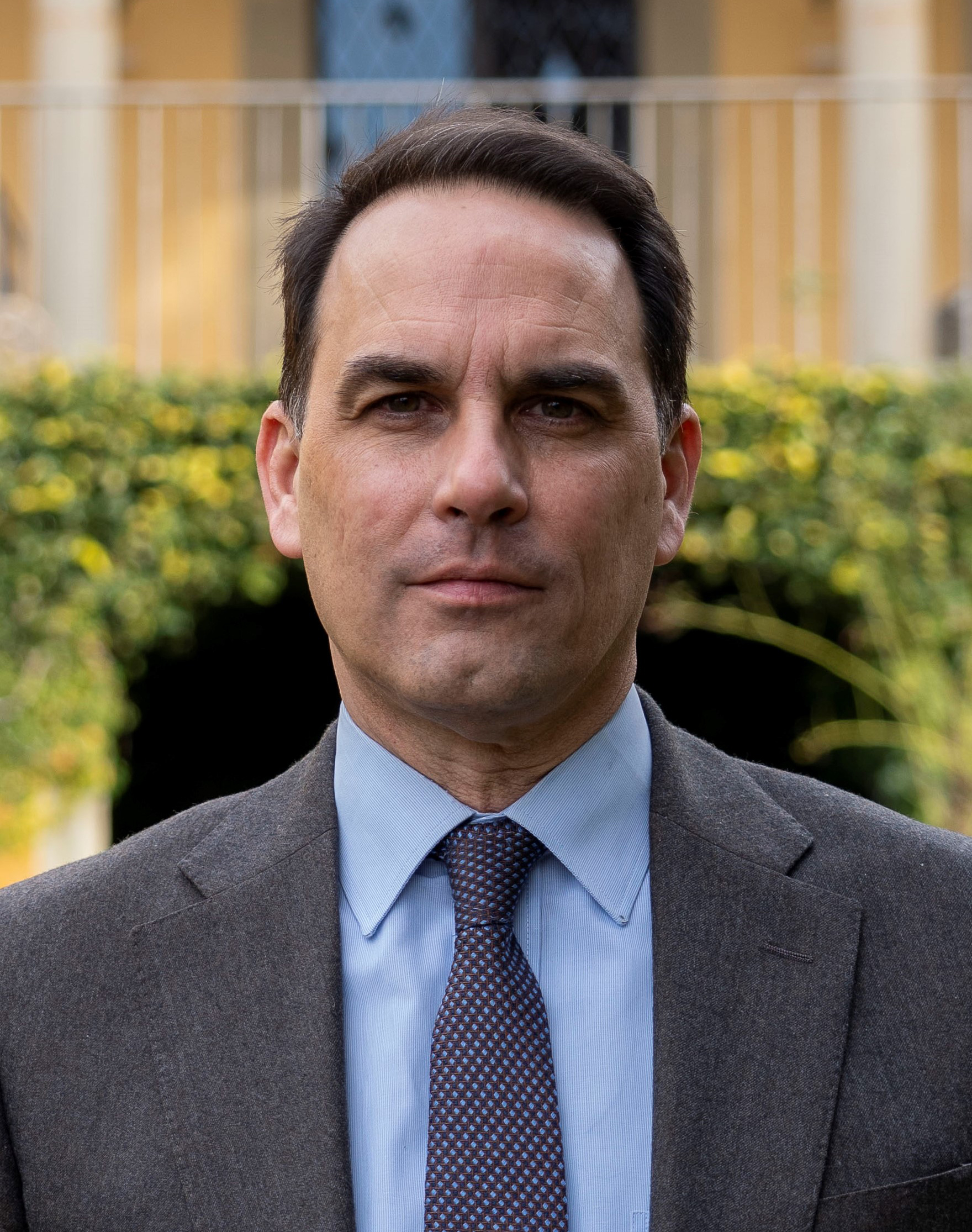
Pepper Culpepper is Vice Dean for Academic Affairs and the Blavatnik Chair in Government and Public Policy at the Blavatnik School of Government, University of Oxford. He is a leading scholar in political economy, comparative politics, and public policy, with a focus on the intersection of capitalism and democracy, corporate power, and institutional change.
His research interests lie at the nexus of political institutions and economic governance. He investigates how business power shapes public policy, particularly through quiet, non-salient mechanisms. His work spans themes such as wage bargaining, skill formation, financial systems, and the decline of social pacts. He employs comparative historical and institutional analysis to understand how ideas, interests, and structures interact in policy change across Europe and beyond.
The recent articles in his publication list reflect a consistent focus on structural power, institutional stability, and the political economy of capitalism. His work often combines theoretical innovation with deep empirical case studies, particularly in France, Germany, Italy, and the UK. Themes include the resilience of coordinated capitalism, the role of employers’ associations, and the challenges to democratic legitimacy in technocratic governance.
Scientific awards include:
- Stein Rokkan Prize for Comparative Social Science Research (2012)
Pepper Culpepper has advised and collaborated on major research projects, including work on narratives of inequality and public support for redistribution (Banklash project). He has held visiting appointments in France, Germany, and Japan, and his research has been supported by prestigious fellowships, including the Marshall Scholarship. He has published widely in top-tier journals and is frequently cited in global media for his insights on democracy, capitalism, and public policy.
He is affiliated with research teams and projects examining the political economy of digital platforms, corporate influence in policymaking, and the future of labor institutions. His work often involves interdisciplinary collaboration with economists, sociologists, and policy practitioners.