معرفی
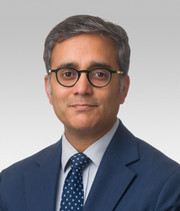
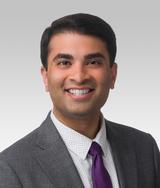
Nilay S Shah, MD, MPH is an Assistant Professor at Northwestern University Feinberg School of Medicine with appointments in the Department of Medicine (Cardiology), Department of Medical Social Sciences (Determinants of Health), and Department of Preventive Medicine (Epidemiology). He serves as a general and preventive cardiologist in the Bluhm Cardiovascular Institute and collaborates with the Institute for Public Health and Medicine, Northwestern University Clinical and Translational Sciences Institute, and Robert J. Havey, MD Institute for Global Health.
Dr. Shah's educational background includes:
- MD from Northwestern University Feinberg School of Medicine (2014)
- MPH from Northwestern University Feinberg School of Medicine (2014)
- Internal Medicine Residency at Stanford University Hospital & Clinics (2017)
- Cardiovascular Disease Fellowship at Northwestern University - McGaw Medical Center (2020)
- Postdoctoral Fellowship in Cardiovascular Epidemiology/Prevention at Northwestern University (2021)
His research program focuses on equitable cardiometabolic health and cardiovascular disease prevention across the life course, emphasizing four key areas: social determinants of health, intergenerational transmission of cardiovascular risk, pregnancy-related cardiovascular factors, and digital health tools for risk assessment. He employs mixed-methods approaches with strong community engagement components targeting populations experiencing health disparities.
Analysis of Dr. Shah's recent publications reveals consistent emphasis on health equity in cardiovascular outcomes, with particular attention to racial/ethnic disparities, social determinants, and innovative risk prediction methodologies across diverse populations including Asian American subgroups and pregnant women from younger generations.
Professional recognition includes:
- Fellow of the American Heart Association (FAHA)
- Fellow of the American College of Cardiology (FACC)
Dr. Shah mentors medical students in the 'Keep Your Heart Healthy' community program serving Chicago's underserved populations and contributes to Health Equity Week initiatives addressing healthcare inequities. His research has attracted substantial grant support for cardiovascular epidemiology and disparity-focused prevention studies though specific funding details aren't provided in source materials.
He actively collaborates through the Center for Community Health, Clinical and Translational Sciences Institute, and Global Primary Care Center, leading interdisciplinary teams in developing evidence-based strategies for cardiovascular health equity from primordial prevention through clinical implementation.