معرفی
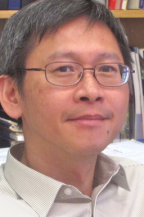
Neal Lue is a Professor at Weill Cornell Medicine (WCM), affiliated with the Graduate School of Medical Sciences and the Department of Microbiology and Immunology. His research program focuses on telomere biology, genome stability, and the molecular conflicts between telomeres and DNA repair machinery. He also investigates the role of telomeres in cancer, particularly neuroblastoma, a pediatric malignancy.
Dr. Lue earned his M.D. and Ph.D. from Stanford University School of Medicine in 1987, where he worked in the lab of Roger Kornberg and developed the first in vitro transcription system for yeast RNA polymerase II—a landmark achievement in molecular biology. Since joining WCM in 1996, he has built a robust research program that combines biochemistry and genetics, using model organisms such as Ustilago maydis, Candida albicans, and Candida glabrata to study telomere maintenance complexes including telomerase, CST, and Pol α-primase.
His lab explores critical biological trade-offs: telomere length as a determinant of cell proliferation versus genomic instability, and the dual role of DNA repair factors—protective in general but potentially destructive at telomeres. Recent work has shown that telomeres in neuroblastoma may regulate tumor cell differentiation states, linking telomere function to treatment resistance, relapse, and metastasis.
Dr. Lue has been recognized with prestigious early-career awards, including the Life Sciences Research Foundation Fellowship, the Basil O’Connor Starter Scholar Award, and the Burroughs Wellcome New Investigator Award in Pathogenic Mycology. He is also credited with establishing several fungal species as model systems for telomere research.
He mentors students and researchers in molecular and cellular mechanisms of chromosome end protection. While specific grant details are not listed, his long-standing independent research program suggests sustained funding. His lab, known as the VIVO Lab, continues to investigate fundamental questions in telomere regulation and its implications in human disease.