معرفی
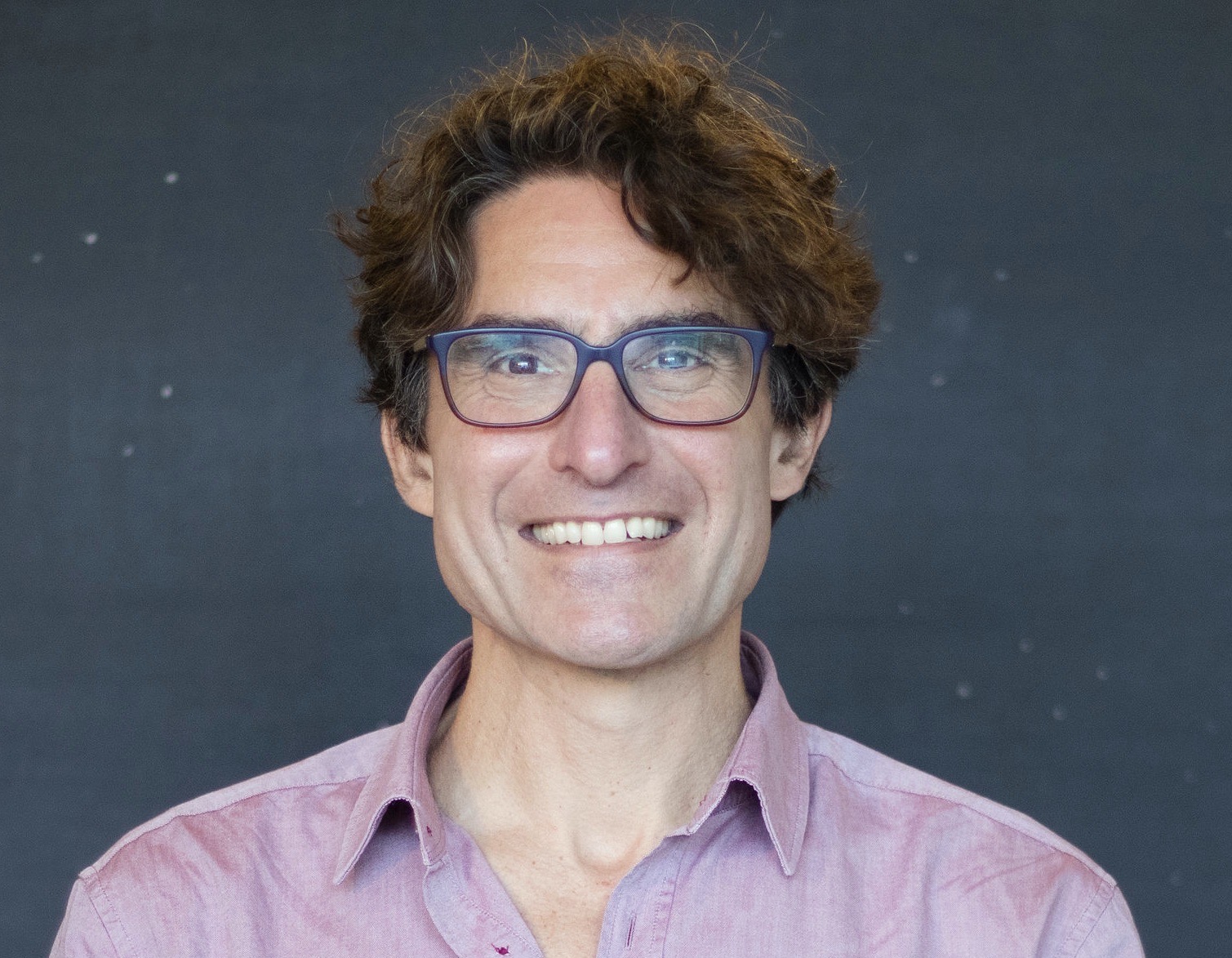
Nathan Taback is a Professor, Teaching Stream in the Department of Statistical Sciences at the University of Toronto. He currently serves as the Associate Chair, Undergraduate Programs (Statistics) and as a Special Advisor to the Dean of Arts and Science on Computational and Data Science Education. His work bridges statistics, data science, and interdisciplinary applications in medicine, public health, and education.
His research interests focus on data science and statistics pedagogy, communicating data effectively, and the application of computational and data science methods across disciplines. He is particularly interested in educational interventions, experiential learning, and improving statistical literacy in the data science ecosystem. His work often involves collaborations with medical researchers in oncology, palliative care, and public health.
The most recent publications reflect a strong trend in applied data science, particularly in healthcare and medical decision-making. Articles span topics such as machine learning for palliative care allocation, equity in sports analytics, reproducible research tools like multiverse, and educational nudges in statistics learning. His work consistently integrates statistical rigor with real-world impact, especially in clinical and educational settings.
- Founding member of Insecurity Insight
- Past-president of the Data Science and Analytics Section of the Statistical Society of Canada
Nathan Taback has advised numerous students and collaborators in medical and data science research, particularly in oncology, palliative care, and public health. His projects often involve large-scale data analysis, educational interventions, and policy-relevant findings. While specific grant details are not listed, his extensive collaborative work suggests significant involvement in funded interdisciplinary research. He plays a key leadership role in shaping statistics and data science education at the University of Toronto.
He is actively involved in academic and public service, including leadership in professional societies and contributions to global human security through data-driven analysis of violence against aid workers and refugees via Insecurity Insight.