معرفی
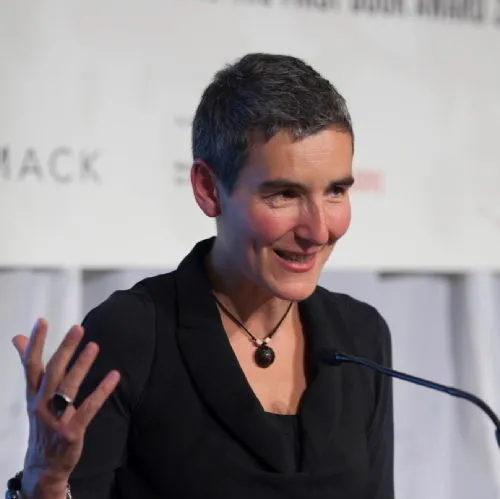
Michele Aaron is Professor of Film and Television Studies at the University of Warwick's Faculty of Arts, where she joined in 2017 after 13 years at the University of Birmingham. Her work bridges rigorous film theory with community-driven social justice initiatives, focusing on cinema's capacity to catalyze personal and societal transformation through ethical engagement.
Her academic background includes a BA in English Literature from Queen Mary University of London, followed by an MA in Culture and Social Change and PhD in contemporary film and fiction from the University of Southampton.
Aaron's research investigates how film affects social and political change, evolving from theoretical analyses of representation ethics to hands-on community collaborations. Recent projects include smartphone filmmaking workshops with hospice patients, West Bank students, and mental health activists, exploring digital vulnerability and end-of-life care through participatory practice. Her work consistently centers marginalized voices while developing ethical frameworks for socially engaged filmmaking.
Her publications reveal a trajectory from foundational queer cinema scholarship to contemporary ethical praxis, with increasing emphasis on collaborative film production as a tool for social justice. Key thematic threads include death studies, digital vulnerability, and the political dimensions of spectatorship across diverse cultural contexts.
She has received significant recognition including the Kraszna Krausz Foundation Best Moving Image Book Prize (2015) for Death and the Moving Image and the 2021 best Film Philosophy article award.
- Supervised PhDs on lesbian fandom, toxic masculinity in David Foster Wallace's work, and trauma narratives
- Currently supervising research on Iraq War film ethics, queer streaming, and Chilean cinema
- Principal Investigator for AHRC-funded projects: 'Digital Technology and Human Vulnerability' (2016-17) and 'Life:Moving Onwards' (2019-20)
Aaron directs the Screening Rights Film Festival (launched 2015), curating international social justice film programming. Her community partnerships extend to John Taylor Hospice, East African healthcare providers, and Coventry mental health services, creating training resources that operationalize ethical film practice in real-world settings.