معرفی
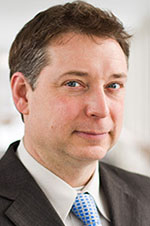
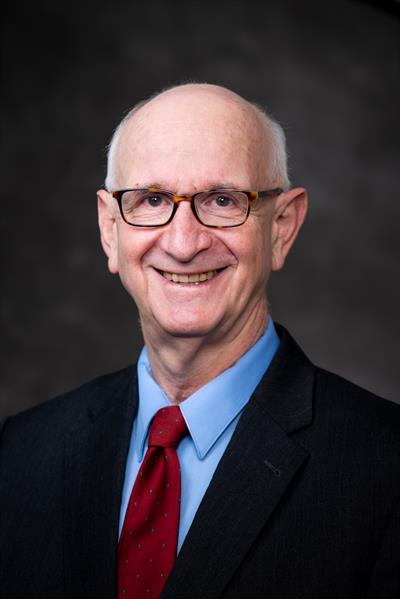
Michael L. Whitfield is Chair and Professor of Biomedical Data Science and Professor in the Department of Molecular and Systems Biology at the Geisel School of Medicine, Dartmouth College. His research focuses on applying genome-wide approaches and systems biology to understand complex biological systems, particularly in the context of autoimmune diseases like systemic sclerosis (scleroderma).
Dr. Whitfield graduated with honors from North Carolina State University with degrees in biochemistry and chemistry. He received his PhD from University of North Carolina, Chapel Hill in Biochemistry and Biophysics working with Dr. William Marzluff and then performed post-doctoral training with Drs. David Botstein and Patrick Brown at Stanford University School of Medicine.
Dr. Whitfield's research program centers on scleroderma, a rare autoimmune disease characterized by fibrosis, vascular alterations, and autoantibodies. His lab uses genomic tools, tissue culture models, and computational approaches to identify gene expression biomarkers that can subset patients, predict clinical endpoints, and assess response to therapy. Their work spans multiple disciplines including molecular biology, computational biology, immunology, and clinical research to understand the molecular mechanisms underlying fibrosis in scleroderma.
Analysis of Dr. Whitfield's publications reveals a consistent focus on molecular subtyping of scleroderma, with increasing integration of machine learning approaches in recent years. His work has evolved from basic molecular characterization to clinical applications, including predicting treatment response and developing precision medicine approaches for this heterogeneous disease.
- 2002 Paper of the Year by the American Society for Cell Biology
- V Scholar for Cancer Research
- Hulda Irene Duggan Arthritis Investigator
- Recipient of multiple NIH grants
Dr. Whitfield leads a diverse research team including graduate students, postdoctoral fellows, and research scientists working collaboratively across multiple disciplines. His lab has developed innovative 3D skin tissue models to study disease mechanisms and test potential therapeutics. The lab maintains active collaborations across Dartmouth and with external institutions, working on multiple NIH-funded projects related to scleroderma pathogenesis and treatment.