معرفی
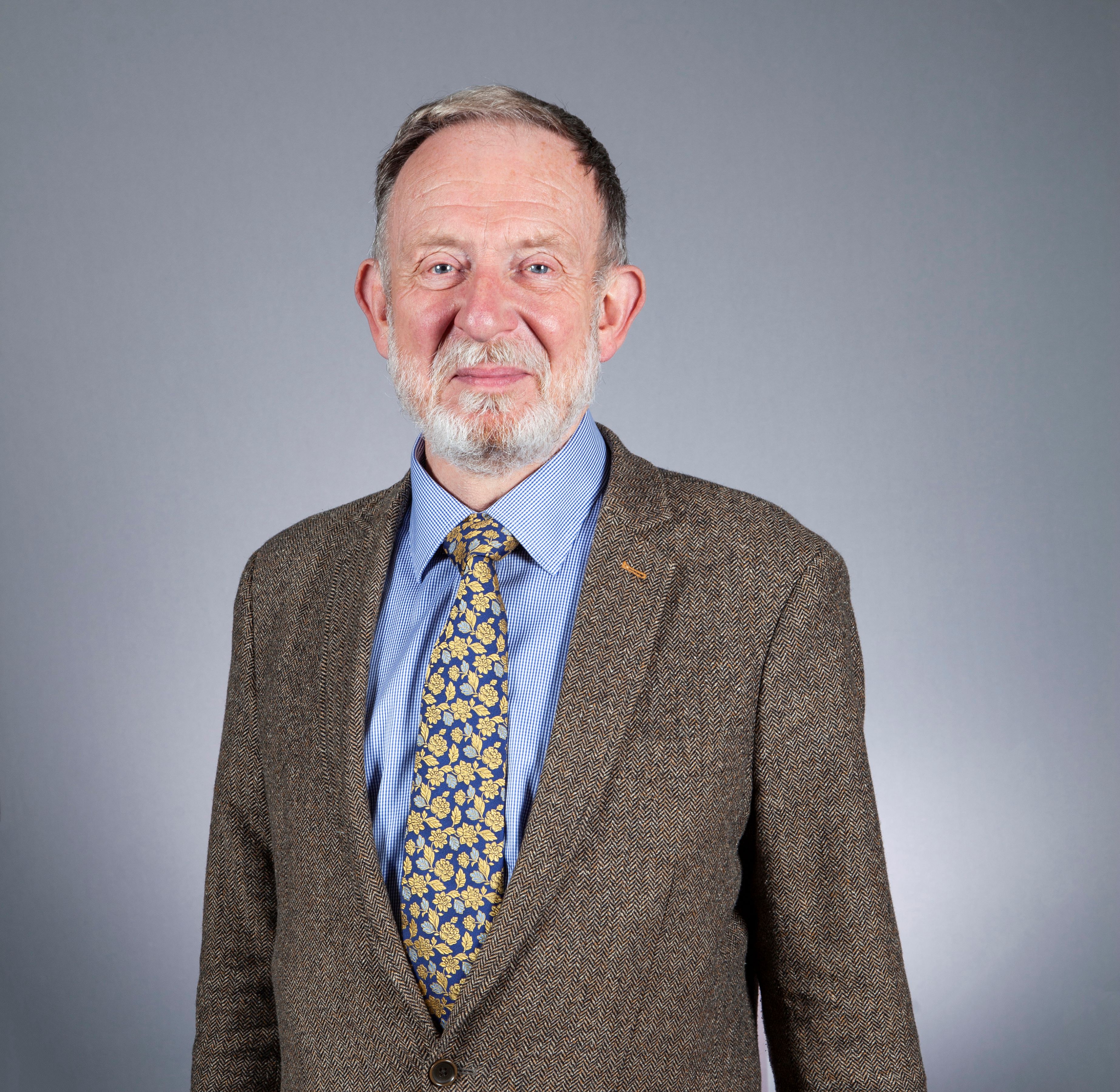
Professor Michael Bravo is a faculty member in the Department of Geography at the University of Cambridge, affiliated with the Scott Polar Research Institute and Downing College as a Fellow in Geography. His work bridges the history and public policy of the Polar Regions, with a focus on the Arctic, examining issues such as resource extraction, climate change impacts, and the role of scientific cooperation in governance. He has held visiting professorships at the Arctic University of Norway and the Wissenschaftskolleg in Berlin.
- Education: BEng (Carleton), MPhil (Cambridge), PhD (Cambridge) in History and Philosophy of Science
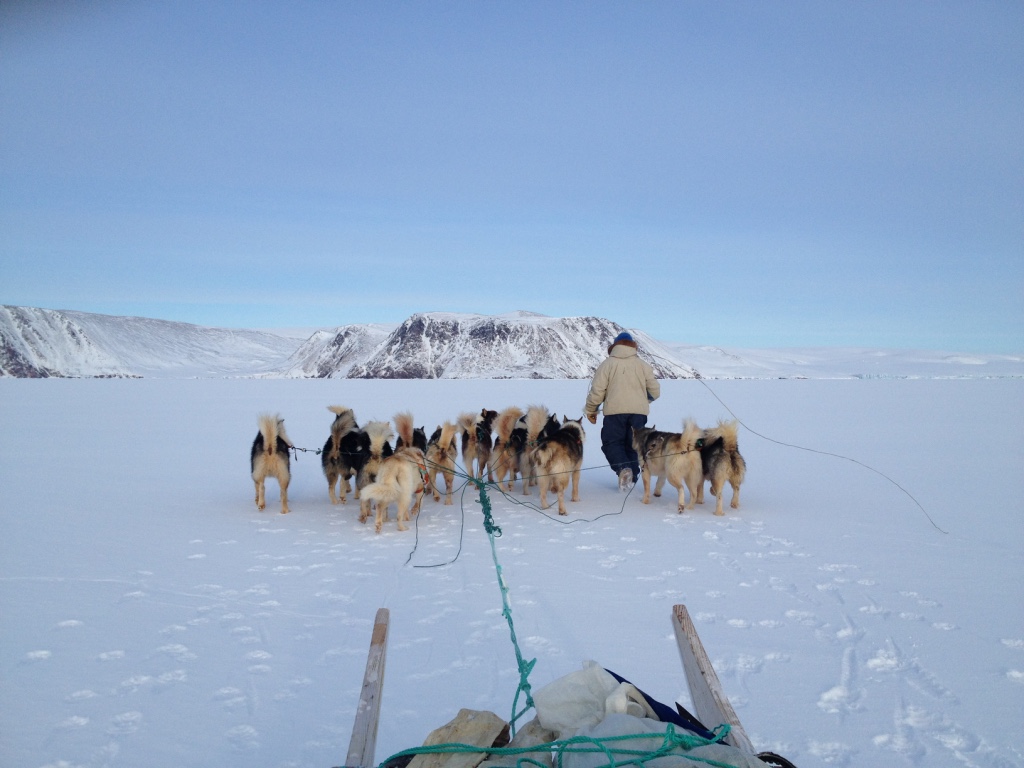
Bravo's research explores the intersection of science, technology, and Arctic geopolitics, emphasizing indigenous knowledge systems and environmental monitoring. His recent projects include the Pan-Inuit Trails Atlas, documenting Inuit cartographic traditions, and studies on maritime geographies of science. He investigates how field sciences inform public policy, particularly in climate change and resource management.
His publications span Arctic geopolitics, environmental humanities, and the history of polar science, with key works including North Pole: Nature and Culture (2019), Arctic Geopolitics and Autonomy (2011), and Narrating the Arctic (2002). Recent articles address Arctic coastal communities, transpolar shipping, cryopolitics, and the sociology of volcanic risk management.
- Scientific Awards: British Academy Post-Doctoral Research Fellow (1993-1995), Wolfson College Junior Research Fellow (non-stipendiary, 1992-1995), Honorary Senior Research Scientist at Stefansson Institute, Iceland
Bravo supervises postgraduate students on topics ranging from climate repair interventions to Antarctic book history. He contributes to policy through advisory roles in the International Conference on Arctic Research Planning (ICARP) and international collaborative projects like the Polar Field Stations and IPY History initiative. His work integrates historical epistemology with contemporary environmental challenges, advocating for regional citizenship and coordinated Arctic governance.