معرفی
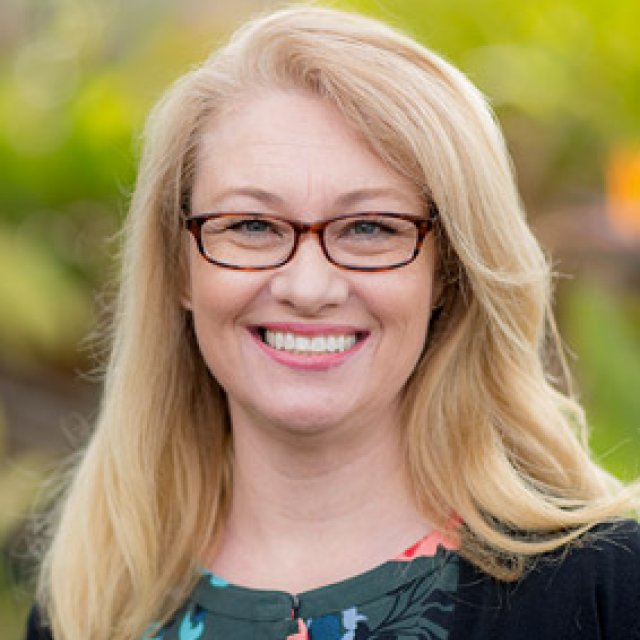
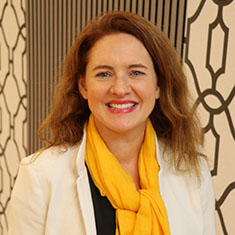
Meg Bergin Rincker serves as Professor of Political Science at Purdue University Northwest (PNW), where she teaches International Relations, Gender and Politics, and Politics of the Olympics. She actively sponsors Pi Sigma Alpha (Political Science honor society), Model United Nations, and Model Illinois Government programs, leading students to national conferences in Chicago and Springfield.
Her educational background includes a Ph.D. (2006) and M.A. (2004) in Political Science from Washington University in St. Louis, and a B.S. in Political Science with English minor from Illinois Wesleyan University (1998). Prior to PNW, she held a Dunn Fellowship in the Illinois Governor’s Office and taught at Illinois Wesleyan University (2006-2008).
Rincker’s research centers on gender and political ambition, decentralization, health policy, and family ties in executive politics, with fieldwork across the UK, Poland, and Pakistan. Her methodology emphasizes experiential learning through parliamentary simulations and international conferences, developing students’ policy analysis and advocacy skills.
Her publications reveal consistent focus on gender representation in decentralized systems, Olympic sustainability governance, and transnational women’s policy mechanisms. Recent work examines Central/Eastern European female executives (2025) and UN women’s representation (2019), demonstrating evolving attention to global governance structures.
- PNW Exploratory Grant Award on Greening the Olympics (2017)
- PNW Outstanding Teaching Award (2015)
- Carrie Chapman Catt Prize for Research on Women in Politics (2007)
She advises Pi Sigma Alpha and Student Government Association while securing grants like the 2017 PNW Exploratory Grant with Kay Rowberg. Her experiential pedagogy integrates Model UN and Model Illinois Government conferences as living laboratories for policy debate and legislative drafting across diverse student majors.
Rincker leads PNW’s competitive Model UN and Model Illinois Government teams, creating pipelines for students into diplomatic and state-level careers through hands-on conference participation and parliamentary procedure training.