معرفی
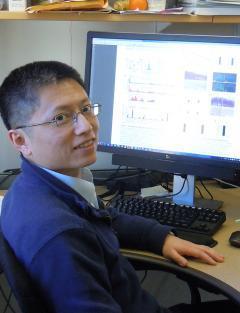
Matthew R. Olson is an Associate Professor in the Department of Biological Sciences at Purdue University. His research focuses on understanding how CD4+ T helper cells drive intestinal inflammation in autoimmune diseases such as inflammatory bowel disease (IBD) and graft-versus-host disease (GVHD). Key objectives include identifying signals that generate pathogenic T cells, their role in disease progression, and potential therapeutic targets. The Olson Lab employs cell/molecular biology, pre-clinical disease models, and high-throughput profiling to study T cell differentiation and immune regulation. His work has led to insights into Th9 cell dysfunction in hyper-IgE syndrome and the role of granzyme A-producing T cells in GVHD.
Education details are not explicitly provided in the text, though his professional trajectory indicates advanced training in immunology. Research interests emphasize T cell plasticity, cytokine signaling, and gut microbiota interactions. Recent publications highlight contributions to understanding EBV latency mechanisms, SARS-CoV-2 immunopathology, and dietary influences on inflammation. The lab includes graduate students Nicole Anderson, J. Alejandra Rodriguez, and Franklin Yeo, alongside undergraduate researchers exploring granzyme biology and microbiota regulation. Collaborations span virology, oncology, and nutritional science, reflecting a multidisciplinary approach to immune-mediated diseases.
Lab activities are centered in the College of Science, with affiliations to interdisciplinary programs like the Purdue University Interdisciplinary Life Sciences (PULSe) graduate program. Funding sources and specific grants are not detailed, but active projects address therapeutic development for IBD and GVHD. The lab’s future directions include investigating adaptive-innate T cell interactions and microbiome-driven inflammation mechanisms.