معرفی
Matthew A. Mulvey is a Professor of Biological Sciences at the University of Utah, where he leads the Mulvey Laboratory within the Molecular Biology Program. His work integrates microbiology, genetics, cell biology, and bioinformatics to understand how pathogenic E. coli strains colonize hosts, evade immune responses, and develop antibiotic resistance.
Education:
- B.S. in Biological Sciences – University of Texas, Austin
- Ph.D. – University of Texas, Austin
Research Interests:
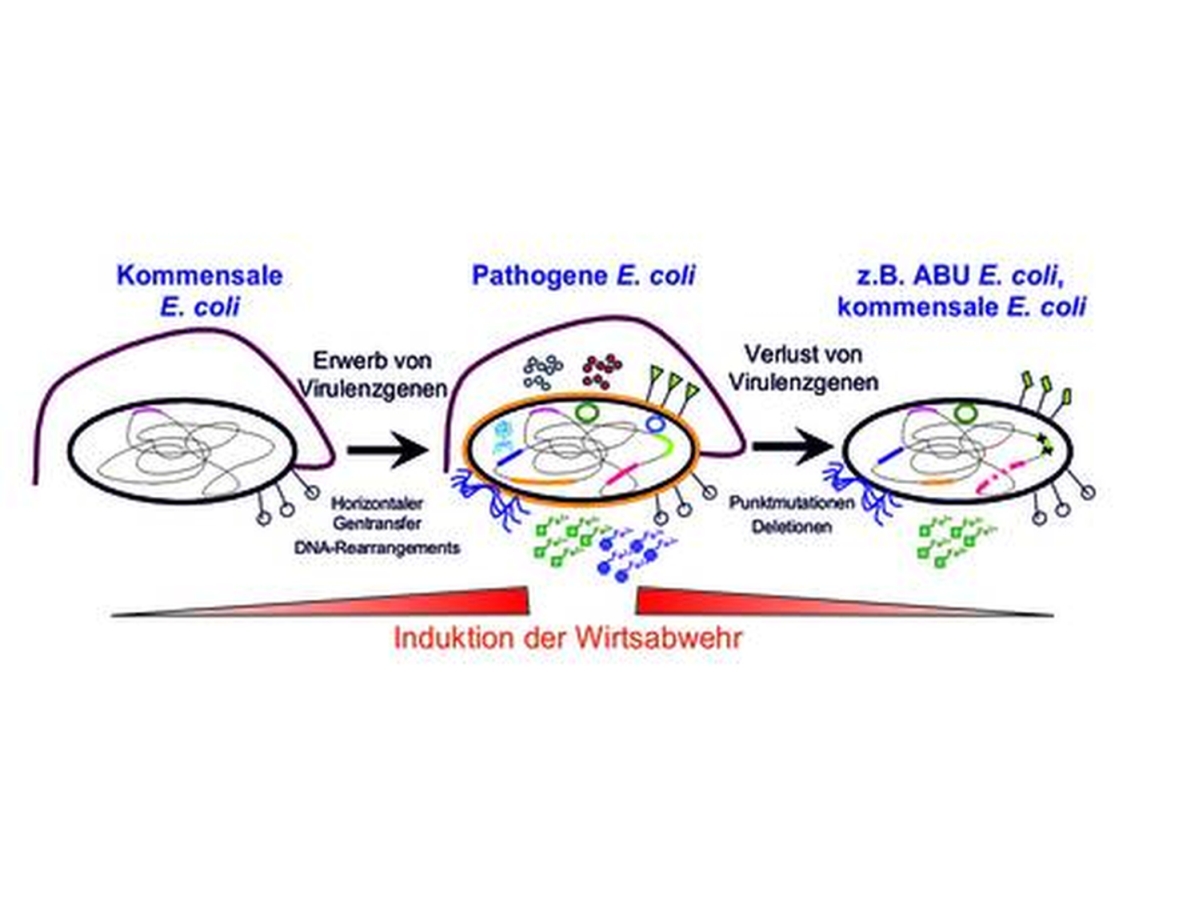
Dr. Mulvey’s laboratory focuses on the molecular mechanisms underlying bacterial pathogenesis, with a particular emphasis on Extraintestinal Pathogenic Escherichia coli (ExPEC). His team investigates how genetic diversity and environmental pressures shape virulence, using zebrafish, mouse, and cell culture models. Key areas include urinary tract infections, sepsis, antibiotic resistance, and the role of the microbiota in disease outcomes.
His lab employs cutting-edge techniques such as high-throughput screening, advanced microscopy, genomics, and bioinformatics to dissect host-pathogen interactions. They also collaborate closely with clinicians to translate findings into therapeutic strategies.
Scientific Publications Overview:
Mulvey’s recent publications span a broad range of topics including antibiotic resistance gene networks, plant-derived antimicrobials, bacterial adhesion mechanisms, and the use of zebrafish as infection models. His work consistently bridges basic science with translational applications, addressing urgent challenges in infectious disease management.
Teaching & Mentorship:
Dr. Mulvey teaches undergraduate and graduate courses including BIOL 2020: Principles of Cell Biology, BIOL 5210: Cell Structure and Function, and DENT 7135: Host and Defense, Bacterial Pathogenesis. His lab is actively involved in training the next generation of scientists.
Laboratory & Collaborations:
The Mulvey Lab is part of the University of Utah’s robust bioscience research community. It collaborates with bioinformaticians, clinicians, and core facilities to advance understanding of bacterial pathogenesis and develop novel therapeutic interventions.