معرفی
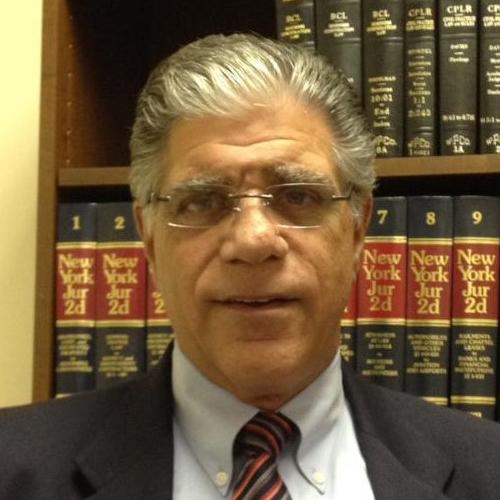
Dr. Marvin Williams is Professor of Accounting and International Business at the University of Houston-Downtown, serving continuously since 1988 with progressive appointments from Assistant to Professor rank. He holds a JD from the University of Houston Law Center, MBA in Finance, and BBA in Accounting from the University of Houston, complemented by CPA (Texas), CMA, CFM, CGMA certifications, and Texas Attorney licensure.
His educational credentials include:
- Bachelor of Business Administration (Accounting), University of Houston
- Master of Business Administration (Finance), University of Houston
- Doctor of Jurisprudence, University of Houston Law Center
- Advanced Graduate Taxation Courses (21 hours), University of Houston
Williams' research centers on Federal Taxation with expertise in corporate taxation, individual income tax, international tax, and estate/wealth tax. His work bridges legal and accounting perspectives, analyzing contemporary issues like GILTI tax, wealth tax proposals, and Research Tax Credits. Recent publications (2024-2025) focus on tax policy implications for corporations, estates, and exempt organizations, reflecting his dual expertise as CPA and attorney.
His publication trends reveal increasing emphasis on legislative impacts, particularly corporate minimum taxes, international tax harmonization, and wealth taxation debates. These works consistently address practical applications for practitioners while contributing to academic discourse in top tax journals.
Scientific recognition includes:
- Best Paper Award, Journal of Eastern European and Central Asian Research (Fall 2017)
Williams advised numerous students via directed studies (1988-2019) and secured significant research funding:
- Principal Investigator: $19,500 Course Innovation Project (Accounting 2302, 2017-2019)
- Lead Researcher: Corporation Income Taxation, Estate Tax, Individual Income Taxation, and Advanced Taxation Projects (2015-present)
Though no formal lab is documented, his curriculum innovation in online accounting education—including the TTLC-funded Accounting 2302 project and presentations on transactional distance theory—demonstrates commitment to pedagogical advancement in tax instruction.