معرفی
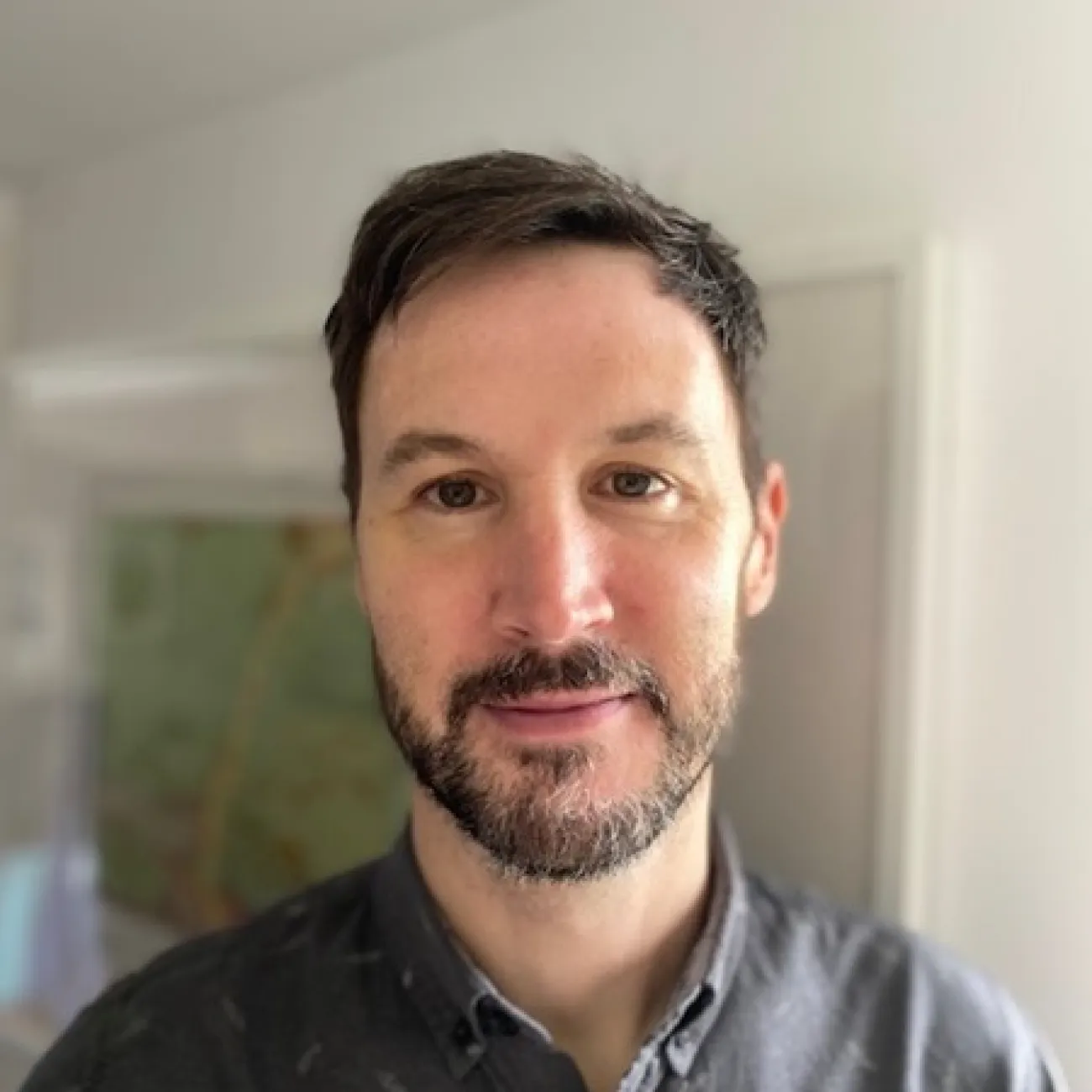
Professor Marcus Power is a distinguished academic in the Department of Geography at Durham University, specializing in the geopolitical dimensions of development. His career spans over two decades with significant contributions to understanding the intersections of space, power, and development processes, particularly focusing on Southern Africa and China-Africa relations.
Power's research interests encompass energy geographies and low carbon transitions, critical geographies of postdevelopment, post-colonial studies with focus on Portugal and Lusophone Africa, post-socialist transformations in Southern Africa, China-Africa engagement, and the relationship between visual culture and geopolitics. His work bridges historical analysis with contemporary development challenges, examining how development discourses have evolved from the Enlightenment through the Cold War to the present era.
His most recent publications reveal a strong emphasis on the financialization of development, South-South cooperation dynamics, and energy transitions in Africa. Power's research demonstrates a consistent focus on how geopolitical imaginaries shape development practices, with particular attention to China's growing role in African development and the implications for traditional development paradigms. His work increasingly examines the material manifestations of development through infrastructure, particularly in energy systems.
- Principal Investigator for ESRC-funded project on China's Resource Diplomacy in Africa
- Principal Investigator for ESRC-funded project on China, Brazil and India's role in low carbon energy systems in Southern Africa
- Co-Investigator for GCRF-funded Sajag-Nepal project on mountain hazard preparedness
- Co-Investigator for GCRF-funded CESET project on Community Energy Systems in Ethiopia, Malawi and Mozambique
Power supervises doctoral students including Huixuan Huang, Sheng Xuan, and Shuyue Xie, focusing on topics related to China-Africa relations, energy transitions, and development geographies. His academic journey began with a PhD from the University of Birmingham (1994-1997), preceded by an MA with distinction from Royal Holloway, University of London, and a BA in Geography from Newcastle University.