معرفی
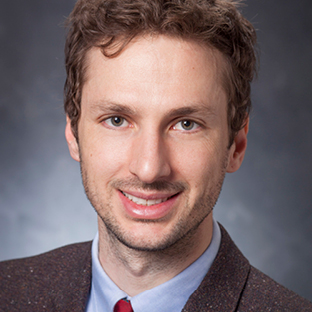
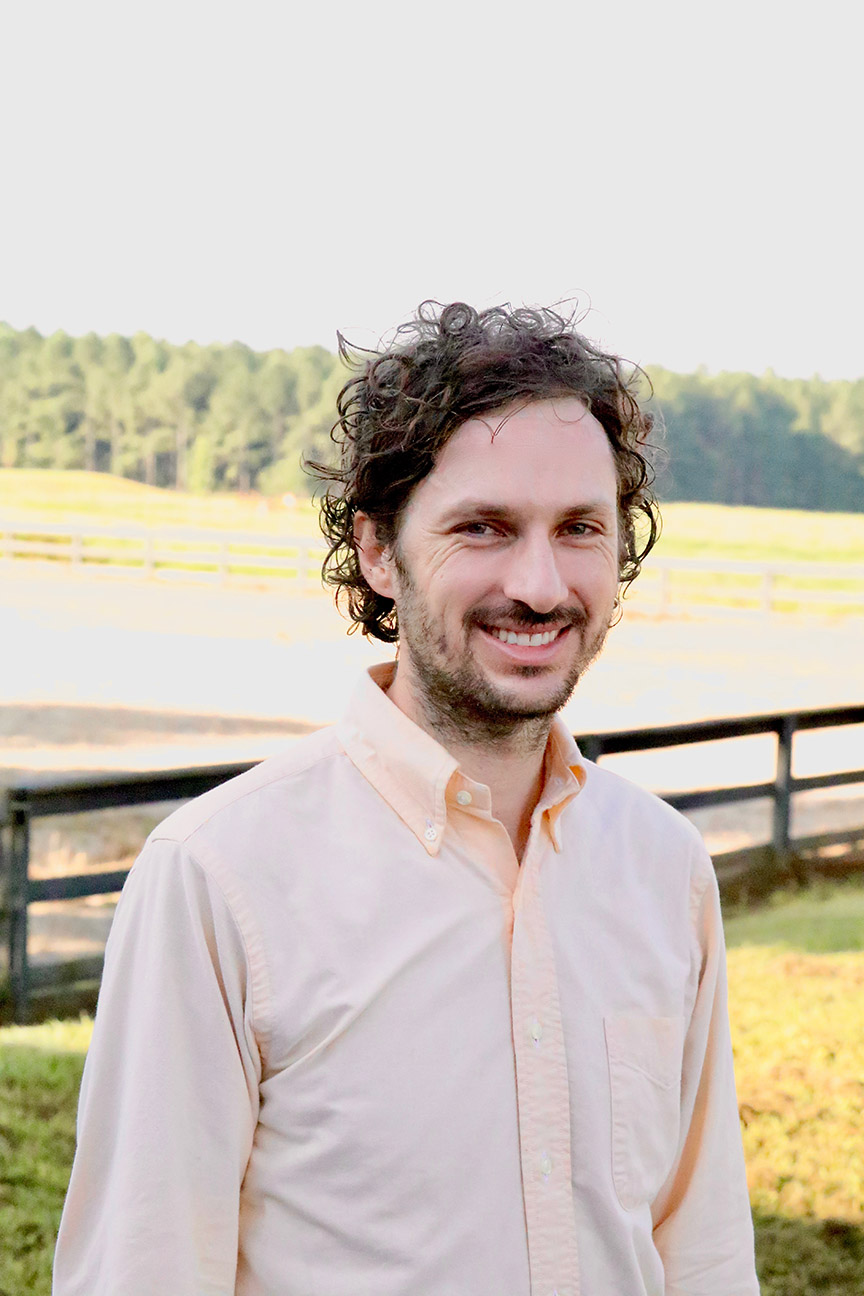
Luke J Mortensen is an Associate Professor of Regenerative Medicine and Engineering in the Department of Animal and Dairy Science at the University of Georgia, with a joint appointment in the School of Chemical, Materials, and Biomedical Engineering. His research bridges engineering, regenerative medicine, and imaging technologies with a focus on bone and muscle regeneration.
Dr. Mortensen's educational background includes:
- Ph.D. in Biomedical Engineering from the University of Rochester (2011)
- M.S. in Biomedical Engineering from the University of Rochester (2006)
- B.S. in Bioengineering from the University of Toledo (2003)
Dr. Mortensen's research primarily focuses on regenerative medicine in bone and muscle. His long-term goals include creating next-generation super-resolution 2 and 3 photon microscopes for imaging cell organelles through opaque bone, and leveraging key imaging and lipid metabolite features associated with mesenchymal stem cell (MSC) therapeutic potency to biomanufacture efficacious cell therapies. His work integrates advanced imaging techniques with lipidomics to understand and enhance stem cell therapies for musculoskeletal conditions.
Analysis of Dr. Mortensen's recent publications reveals a strong focus on MSC potency metrics, advanced imaging through bone tissue, and lipid-mediated regenerative processes. His work spans multiple disciplines including biomedical engineering, optical physics, and regenerative medicine, with particular emphasis on developing novel imaging approaches for studying cellular processes in challenging environments like bone tissue.
Dr. Mortensen has secured significant research funding from diverse sources including the National Institutes of Health, National Science Foundation, Department of Defense, and private foundations. His sponsored projects cover areas such as bone microfracture repair, MSC potency assessment, and advanced imaging technologies.
Dr. Mortensen leads a research team focused on regenerative medicine and engineering, working at the intersection of imaging technology development and therapeutic applications for musculoskeletal disorders. His lab combines expertise in microscopy, lipidomics, and stem cell biology to address challenges in regenerative medicine.