معرفی
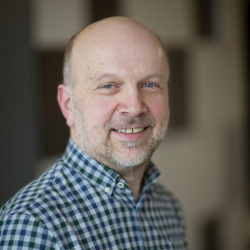
Luke Harland is a Research Fellow at the Wellcome-MRC Cambridge Stem Cell Institute (University of Cambridge) and Junior Research Fellow at Wolfson College. His work investigates transcriptional pathways governing cellular identity during mammalian embryogenesis, with emphasis on haemogenic endothelium differentiation and molecular convergence mechanisms using stem cell models and computational genomics.
Education:
- BSc in Chemistry and Biochemistry, University of Western Ontario
- DPhil in Chromosome and Developmental Biology, University of Oxford (2020, Clarendon Scholar)
Research focuses on how developmental history influences convergent cell states, particularly blood-forming endothelial cells. He employs single-cell spatial transcriptomics, genetic engineering, and embryonic stem cell differentiation models to dissect regulatory networks involving Eomes, STAT3, and WNT signaling. This work aims to advance regenerative medicine through precise cell type conversion technologies.
Publication analysis reveals a distinct shift from early oncology research (2014-2019) to current developmental biology focus (2021-2025). Recent work emphasizes mouse embryogenesis with recurring themes of transcriptional regulation, hematovascular development, and spatial mapping techniques, demonstrating increasing methodological sophistication through single-cell and computational approaches.
Scientific Awards:
- Clarendon Scholar (University of Oxford)
- Wellcome Early-Career Award (2023-2028)
- Junior Research Fellowship, Wolfson College (2024)
Currently leading an independent research program funded by the Wellcome Trust, Harland collaborates within Professor Göttgens' group at the Stem Cell Institute while maintaining industry connections from prior Vertex Pharmaceuticals experience. His active membership in the International Society for Stem Cell Research and British Society for Developmental Biology facilitates cross-institutional knowledge exchange.
Based in the Göttgens Group laboratory at the Wellcome-MRC Cambridge Stem Cell Institute, Harland utilizes advanced core facilities including single-cell genomics and imaging platforms. His research integrates computational biology with wet-lab experimentation to model embryonic development processes at unprecedented resolution.