معرفی
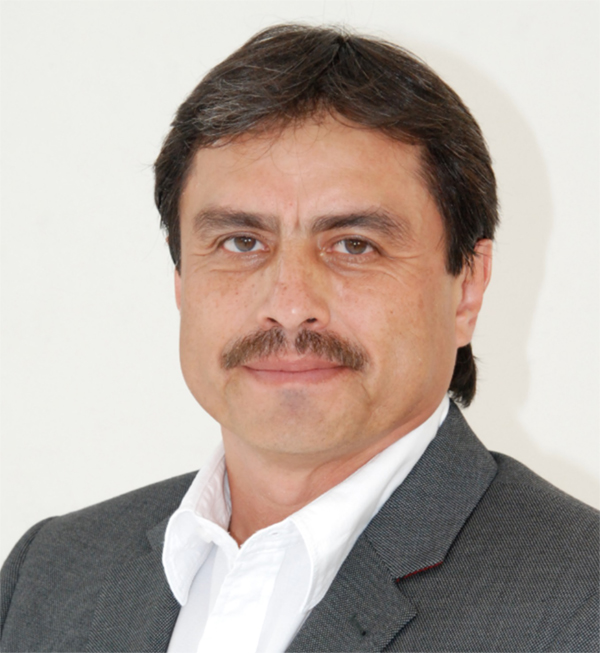
Luis Herrera-Estrella is President’s Distinguished Professor of Plant Genomics and Director of the Institute of Genomics for Crop Abiotic Stress Tolerance (IGCAST) at Texas Tech University. He holds a full professorship in the Department of Plant and Soil Science within the College of Agricultural Sciences and Natural Resources. His leadership at IGCAST underscores his pivotal role in advancing research on crop resilience under abiotic stress.
His research focuses on deciphering the regulatory networks that govern plant responses to abiotic stresses such as drought, desiccation, and nutrient deficiencies. He is particularly interested in phosphate starvation responses, root architecture modulation, and epigenetic regulation in plant stress adaptation. His team also pioneers tissue culture-independent plant transformation methods, aiming to revolutionize genetic engineering in crops.
His publication record spans over four decades, with high-impact contributions in journals like PNAS, Nature, and Science. His recent work centers on plant genomics, stress signaling, and metabolic engineering, with strong emphasis on sustainable agricultural solutions. Themes across his publications include gene regulatory networks, nutrient sensing, epigenetics, and crop biotechnology.
- Elected member of the National Academy of Sciences (2003)
- Gold Medal from the World Intellectual Property Organization
- Elected member of The Academy of Medicine, Engineering and Science of Texas
- Elected member of the National Academy of Inventors
Dr. Herrera-Estrella has mentored numerous graduate students, postdoctoral researchers, and research scientists, fostering a dynamic and interdisciplinary lab environment. His work has been supported by significant grants enabling innovations in plant transformation and stress tolerance. He leads a multidisciplinary team focused on genomic and genetic strategies to enhance crop performance under environmental stress.
His lab at IGCAST includes researchers working on nutrient deficiency in sorghum, epigenetic analysis in cotton, root penetration genetics, transposon dynamics, and desiccation tolerance mechanisms, reflecting a broad yet cohesive research vision.