معرفی
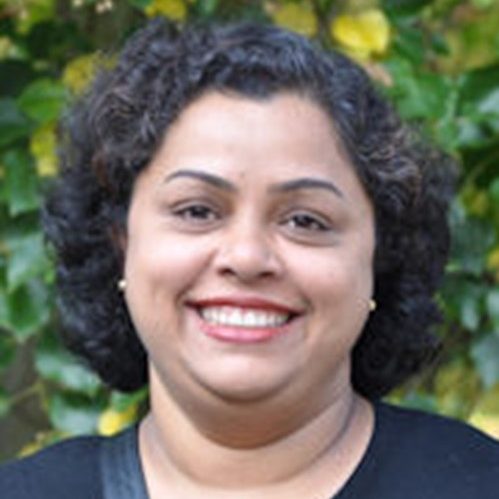
Dr. Lucy Dyson is a Senior University Teacher and Disability Liaison Officer in the Department of Human Communication Sciences at the School of Allied Health Professions, Nursing and Midwifery, University of Sheffield. A registered Speech and Language Therapist with the Royal College of Speech and Language Therapists and Health and Care Professions Council, she maintains active clinical practice while advancing academic training.
Her educational foundation includes a BMedSci degree followed by a PhD completed in 2017, funded by The Stroke Association's Junior Research Training Fellowship. Her doctoral work investigated semantic processing assessment in aphasia and cognitive-performance relationships in semantic testing.
Research centers on acquired communication disorders with emphasis on post-stroke aphasia, apraxia of speech, and stammering. She pioneers computer-based therapeutic interventions while examining cognitive-semantic interfaces and psychosocial dimensions of communication impairments. Her clinical-academic integration ensures practical relevance in rehabilitation methodologies.
Publication trends reveal consistent innovation in therapeutic technology for speech disorders, particularly self-administered computer systems for apraxia and aphasia. Her work bridges neurolinguistics, cognitive neuroscience, and clinical rehabilitation across high-impact journals including Stroke and Aphasiology, establishing evidence-based frameworks for speech therapy.
Scientific recognition includes:
- Junior Research Training Fellowship from The Stroke Association
As Disability Liaison Officer and clinical placement coordinator, she mentors future speech and language therapists while securing research funding through collaborations with NHS trusts and academic partners. Her Stroke Association-funded projects with Dr. Ruth Herbert and Professor Rosemary Varley demonstrate sustained grant acquisition in neurorehabilitation.
She leads the Rotherham Stroke Rehabilitation Team within Rotherham NHS Foundation Trust, delivering continuous post-stroke care through six months of recovery. Her dual academic-clinical role integrates university research with frontline therapy for neurological conditions and stammering, maintaining direct patient contact that informs teaching and innovation.