معرفی
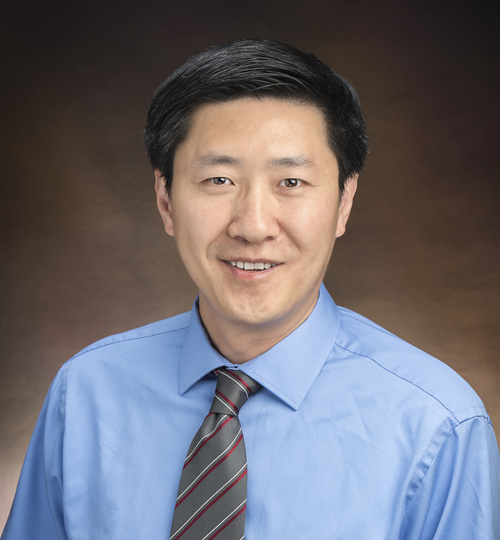
Longzhi Tan is an Assistant Professor in the Department of Neurobiology at Stanford University School of Medicine, where he leads the 3D Genomics Lab. He is also a member of Bio-X and the Wu Tsai Neurosciences Institute at Stanford.
Dr. Tan received his S.B. in Physics (minor: Biology) from MIT in 2012, studying microbial and human evolution with Jeff Gore and Pardis Sabeti. He earned his Ph.D. in Systems Biology from Harvard University in 2018, developing high-precision methods for single-cell genomics with Sunney Xie. He started his own lab at Stanford Neurobiology in December 2022 after completing postdoctoral training in Karl Deisseroth's lab at Stanford Bioengineering (with co-mentor Howard Chang).
Dr. Tan's research focuses on understanding the single-cell 3D genome architectural basis of neurodevelopment and aging by developing next-generation in vivo multi-omic assays and algorithms, with emphasis on the human and mouse cerebellum. His work bridges physics, biology, and computational approaches to unravel how the same genome folds differently across cell types to produce specialized neural functions. The cerebellum is particularly significant as it contains approximately 80% of all neurons in the human brain and exhibits distinctive developmental and aging patterns.
His recent publications reveal groundbreaking discoveries about lifelong restructuring of 3D genome architecture in cerebellar granule cells, dynamic enhancer connectivity underlying olfactory receptor choice, and the development of high-resolution single-cell genomic techniques like scMicro-C and METATAC. His research spans multiple disciplines including neurobiology, genomics, epigenetics, and computational biology, with particular emphasis on how chromatin organization influences neural development, function, and degeneration.
Awards and Honors
- Innovation Award, Sanofi (2024)
- Maximizing Innovation in Neuroscience Discovery (MIND) Prize, Pershing Square Foundation (2024)
- Scialog Fellow in Molecular Basis of Cognition (2024)
- Faculty Scholar, Donald E. and Delia B. Baxter Foundation (2023)
- Finalist, Freeman Hrabowski Scholars Program, HHMI (2023)
- Career Award at the Scientific Interface, Burroughs Wellcome Fund (2022-2027)
- Grand Prize, Science & SciLifeLab Prize for Young Scientists (2019)
- International Student Research Fellowship, HHMI (2015-2017)
- Gold Medal and "the Absolute Winner", International Physics Olympiad (2008)
Dr. Tan actively mentors students and postdocs, serving as Doctoral Dissertation Advisor for multiple PhD students and Postdoctoral Faculty Sponsor for researchers in his lab. His lab has received significant funding from prestigious organizations including the Burroughs Wellcome Fund, Howard Hughes Medical Institute, and the Baxter Foundation. The Tan Lab is developing innovative single-cell multi-omic toolkits that span functional genomics, biochemistry, and bioinformatics to measure and perturb single-cell 3D genome architecture in vivo, with particular focus on the cerebellum as a model system due to its unique developmental trajectory, evolutionary expansion, and relevance to neurological disorders.