معرفی
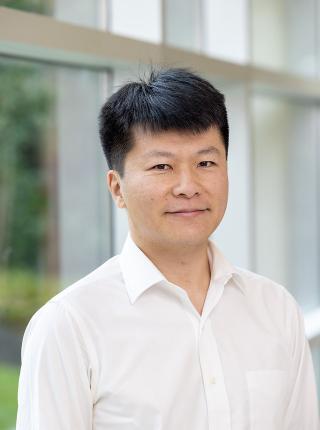
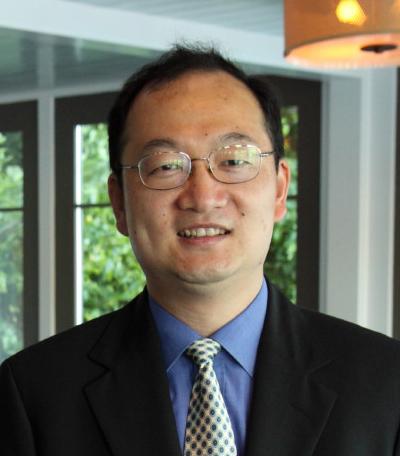
Lingeng Lu, PhD, MD, serves as a Research Scientist in the Department of Chronic Disease Epidemiology at the Yale School of Public Health. He leads the Molecular Cancer Epidemiology Laboratory and Shared Resource of the Yale Cancer Center, developing molecular biology tools and technologies that provide critical laboratory support for cancer research initiatives. His work extends across multiple institutional affiliations including the Yale Cancer Center and Yale-BI Biomedical Data Science Fellowship.
Dr. Lu's academic background includes medical training at Shanghai Medical University (MD, 1991), a Master's in Epidemiology from the same institution (1999), a PhD from Texas A & M University (2004), and postdoctoral training at Yale University School of Medicine (2008).
His research program focuses on the complex interplay of genetic, epigenetic, and environmental factors in chronic diseases, particularly human cancers (gynecologic and gastrointestinal), metabolic syndrome, HIV/AIDS, and reproductive health. His laboratory work combines molecular biology techniques with bioinformatics, pathway analyses, and DNA/RNA secondary structure studies. Using next-generation sequencing technologies, he has investigated miRNAs in circulating exosomes and their relationship to HIV-associated neurological disorders.
Recent publications reveal Dr. Lu's expertise across multiple cancer research domains including tumor microenvironment analysis, molecular epidemiology, cancer metabolism, and immunotherapy approaches. His work demonstrates particular strength in colorectal cancer, breast cancer, and endometrial cancer research, with significant contributions to understanding non-coding RNAs, telomere biology, and metabolic factors in cancer progression and treatment response.
- Tom Slick Graduate Research Fellow (2003)
- Graduate Student Travel Award from American Society for Microbiology (2003)
- Shanghai Municipality Science and Technology Progress Award (2001)
Dr. Lu maintains active roles as Associate Editor for World Journal of Microbiology and Biotechnology, Editor for Scientific Reports and Clinical Epigenetics, and as a member of the American Association of Cancer Research and American Association for the Advancement of Science. His current research projects include genetic factors in cancer risk, circulating exosomes and HIV-associated disorders, exercise interventions for cancer survivors, immune checkpoint mechanisms in cancer progression, and telomere biology in aging and cancer.