معرفی
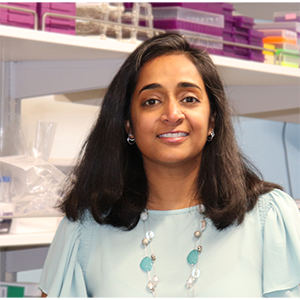
Laurie S. Stevison is an Associate Professor in the Department of Biological Sciences at Auburn University, where she also serves as Coordinator for the Graduate Certificate in Computational Biology. Her research is centered on evolutionary genomics, using model systems such as primates and fruit flies to investigate speciation, recombination, and introgression.
Education:
- Postdoctoral Fellow – University of California San Francisco, Institute for Human Genetics (2011–2015)
- Ph.D. – Duke University, Biology (2011)
- M.A. – Rice University, Ecology and Evolutionary Biology (2007)
- B.S. – Centenary College of Louisiana, Biophysics (2005)
Her research interests include evolutionary genomics, speciation, recombination, population genetics, comparative genomics, and bioinformatics. She employs population genetic approaches to study how chromosomal inversions reduce recombination in hybrids, thereby contributing to species maintenance despite gene flow. Her work also explores recombination rate plasticity in response to environmental factors like temperature and maternal age.
The selected publications reflect a strong trend in comparative and population genomics, with a focus on recombination rate evolution across species, hybridization in primates and Drosophila, and the role of structural variation in speciation. Her research spans taxa including great apes, gibbons, baboons, and Drosophila, contributing to broader understanding of genomic architecture and evolutionary processes.
Scientific Contributions:
Dr. Stevison advises graduate students and leads the Stevison Lab, which is actively involved in projects linking climate change to genetic variation in Drosophila robusta. She teaches courses in computational biology and bioinformatics at both undergraduate and graduate levels. Her lab uses both direct (genetic crosses) and indirect (linkage disequilibrium) methods to estimate recombination rates, and is expanding research to non-great ape primates.