معرفی
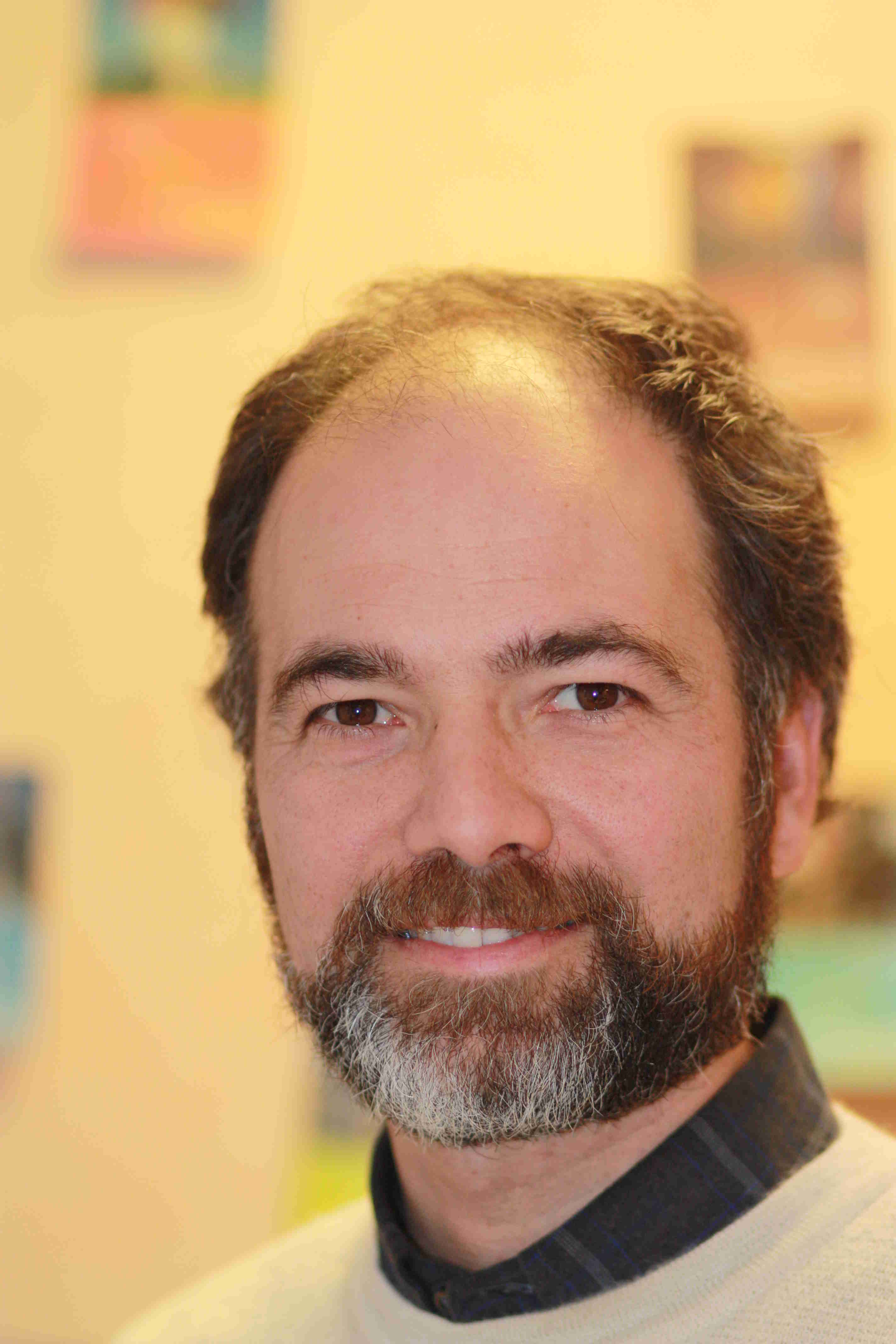
Laurent Monasse is a Researcher in applied mathematics at Inria Centre of Côte d'Azur University and the Jean-Alexandre Dieudonné Laboratory. He is currently part of the Acumes project team at Inria Sophia Antipolis – Méditerranée and University of Nice Sophia Antipolis.
His academic journey includes:
- 2017 - present: Researcher in the COFFEE project team then Acumes, Inria Sophia Antipolis and University of Nice Sophia-Antipolis
- 2012 - 2017: Researcher at CERMICS, Ecole des Ponts ParisTech
- 2011 - 2012: Post-doc in the research group of Prof. Charbel Farhat at Stanford, Aero/Astro department
- 2008 - 2011: PhD thesis at CERMICS, Ecole des Ponts ParisTech
Dr. Monasse's research spans multiple areas of applied mathematics and computational mechanics. His primary interests include Discrete Element Methods, Fluid-Structure Interaction, Numerical Integration in Time, Application of Riemannian geometry in structural mechanics, and Geometrical shock dynamics. More recently, he has been involved in the ANR NEMATIC project studying the Growth of mycelium networks. His work demonstrates a strong focus on developing energy-preserving numerical schemes and conservative coupling algorithms for complex physical systems.
His publication record shows a consistent focus on computational methods for fluid-structure interaction problems, with recent work extending into biological applications like fungal growth modeling. A notable trend in his research is the development of energy-conserving algorithms and the application of geometric methods to mechanical problems, with significant contributions to shock wave propagation and mycelium network dynamics.
His scientific contributions include:
- An energy-preserving Discrete Element Method for elastodynamics
- Conservative coupling algorithms between compressible flows and rigid/deformable bodies
- Applications of Riemannian geometry in structural mechanics
- Geometrical shock dynamics for blast wave propagation
- Modeling of mycelium networks growth
Dr. Monasse has developed significant simulation software including Mka3D (for elastic solid simulation using discrete elements) and CELIA3D (for fluid-structure interaction between compressible fluids and deformable structures). These codes represent important contributions to the computational mechanics community, with CELIA3D utilizing a Finite Volume cut-cell approach for fluid-structure interaction where the solid is modeled with a Discrete Element Method type formulation.