معرفی
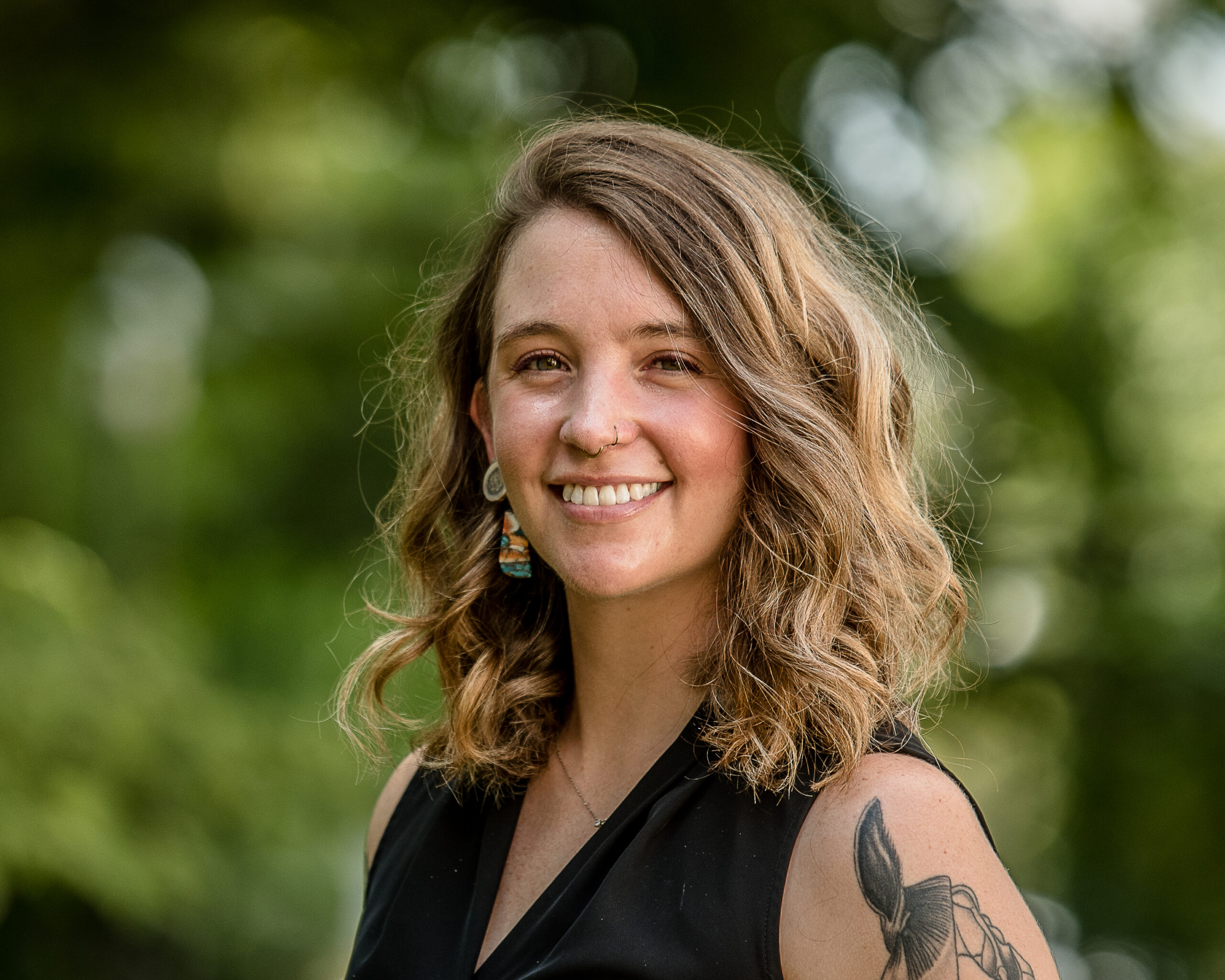
Laura Arppe serves as Superintendent of the Geosciences Unit Stable Isotope Systematics at the University of Helsinki's Faculty of Science. She is closely affiliated with the Laboratory of Chronology at the Finnish Museum of Natural History, where she supervises a research team responsible for stable isotope analyses. Dr. Arppe teaches isotope paleoscience in the Master's program of Geology and Geophysics, contributing significantly to graduate education in earth sciences.
As an isotopist, paleoecologist, and paleoclimatologist, Dr. Arppe applies isotope geochemical techniques to investigate both contemporary and historical environmental systems. Her research spans paleoclimatology, paleoecology, and archaeological science, with particular expertise in stable isotope analysis. She has led and participated in numerous Academy of Finland-funded projects including WELT (World-changing events in northern tree archives), IsoTermes (Nutritional strategies of fungus-farming termites), AMI (Animals Make Identities), and ORIGINS (Historical origin research through bone isotope signals).
Analysis of her recent publications (2023-2025) reveals a strong interdisciplinary approach combining isotope geochemistry with archaeology, paleoenvironmental reconstruction, and climate science. Her work frequently examines human mobility in prehistoric Europe, climate reconstruction using isotope proxies, and multi-isotopic approaches to archaeological questions, with particular focus on Finnish and Northern European contexts.
Dr. Arppe actively supervises the Laboratory of Chronology at the Finnish Museum of Natural History, where her team conducts stable isotope analyses for various international research projects. She maintains extensive collaborations with researchers across Europe, especially with institutions in Russia, focusing on paleoenvironmental reconstruction and archaeological applications of isotope geochemistry. Her research has significant implications for understanding past climate change, human-environment interactions, and archaeological interpretation through scientific methods.