معرفی
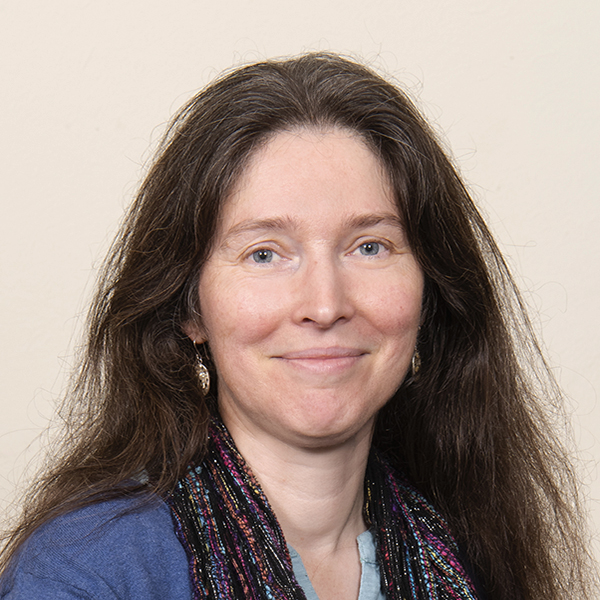
Kori Filipek is a Lecturer in Forensic Science (Anthropology) at the College of Science and Engineering. Her research focuses on bioarchaeological analysis of skeletal remains to investigate health, disease, and mobility patterns in past populations, with particular emphasis on medieval and post-medieval Europe. She has conducted extensive fieldwork at sites like the Jucu de Sus Cemetery in Transylvania and the St. Mary Magdalen leprosarium in Winchester, England.
Key research areas include the bioarchaeology of infectious diseases such as leprosy and tuberculosis, isotopic analysis of diet and migration, and the social implications of health disparities in historical populations. Her work frequently employs biomolecular techniques, stable isotope analysis, and osteological examination to reconstruct past lifeways. Notable projects include studying lead poisoning impacts in Roman children and mobility patterns of adolescents with leprosy.
She has contributed to interdisciplinary studies on topics ranging from medieval healthcare practices to the genetic origins of Roman military populations. Her research outputs include over 20 peer-reviewed articles and book chapters, as well as collaborative reports on archaeological excavations. Filipek actively participates in academic organizations like the British Association for Biological Anthropology and Osteoarchaeology, contributing to EDI initiatives in the field.