معرفی
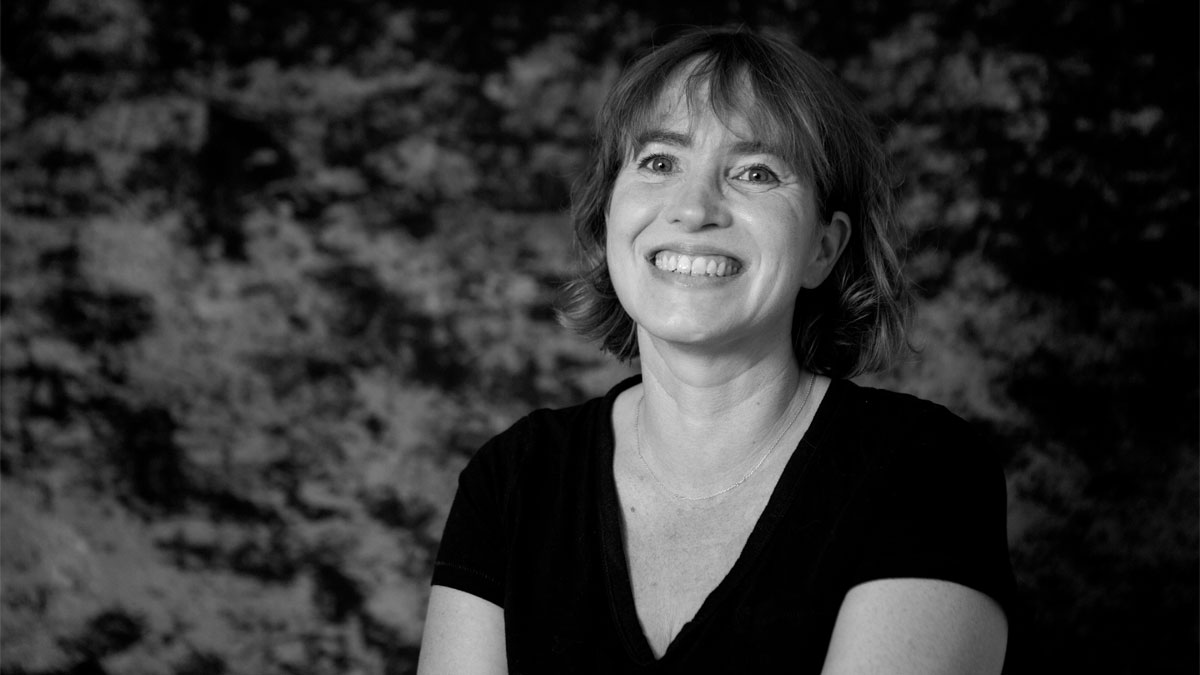
Mary Lewis is Professor of Bioarchaeology at the University of Reading, where she has been a faculty member since 2004. Previously, she lectured at Bournemouth University. With a PhD in bioarchaeology from the University of Bradford (1999) and a Master's in Archaeology from the University of Oxford, Professor Lewis has established herself as a leading expert in the skeletal analysis of children and adolescents from historical contexts.
Professor Lewis's research focuses on bioarchaeology, particularly the analysis of non-adult skeletal remains from Roman and Medieval Britain. Her work examines growth patterns, pubertal development, trauma, and health indicators in children and adolescents from historical populations. She has made significant contributions to methodological approaches for assessing pubertal stage in skeletal remains, particularly through the analysis of cervical vertebrae maturation, which has provided new insights into adolescent development in past societies.
Professor Lewis has published extensively on topics related to childhood and adolescence in past populations. Her recent work has focused on pubertal timing in medieval populations, dental pathology as an indicator of diet and health in Roman Britain, and comparative studies of urban versus rural child health in historical contexts. Her research demonstrates how skeletal analysis can provide unique insights into the lived experiences of children in past societies and how major historical events like the Black Death impacted adolescent development.
- Ranked #54 worldwide in Archaeology according to Academic-Influence.com
- Ranked #878 in Anthropology worldwide
- Editorial roles with International Journal of Osteoarchaeology
- Editorial roles with International Journal of Paleopathology
- Editorial roles with American Journal of Biological Anthropology
Professor Lewis has supervised numerous graduate students and has been instrumental in developing methodologies for analyzing adolescent skeletal development. Her work on the first osteological study of a body that had been hanged, drawn, and quartered represents a significant contribution to forensic bioarchaeology. She continues to be an active researcher with recent publications focusing on medieval menarche, dental caries in Roman Britain, and the lives of children in historical urban contexts.
Professor Lewis leads research on non-adult skeletal analysis, with particular focus on methods for assessing pubertal development in skeletal remains. Her work bridges bioarchaeology, osteology, and historical studies, providing osteological evidence to complement historical records and deepen our understanding of childhood experiences in past societies.