معرفی
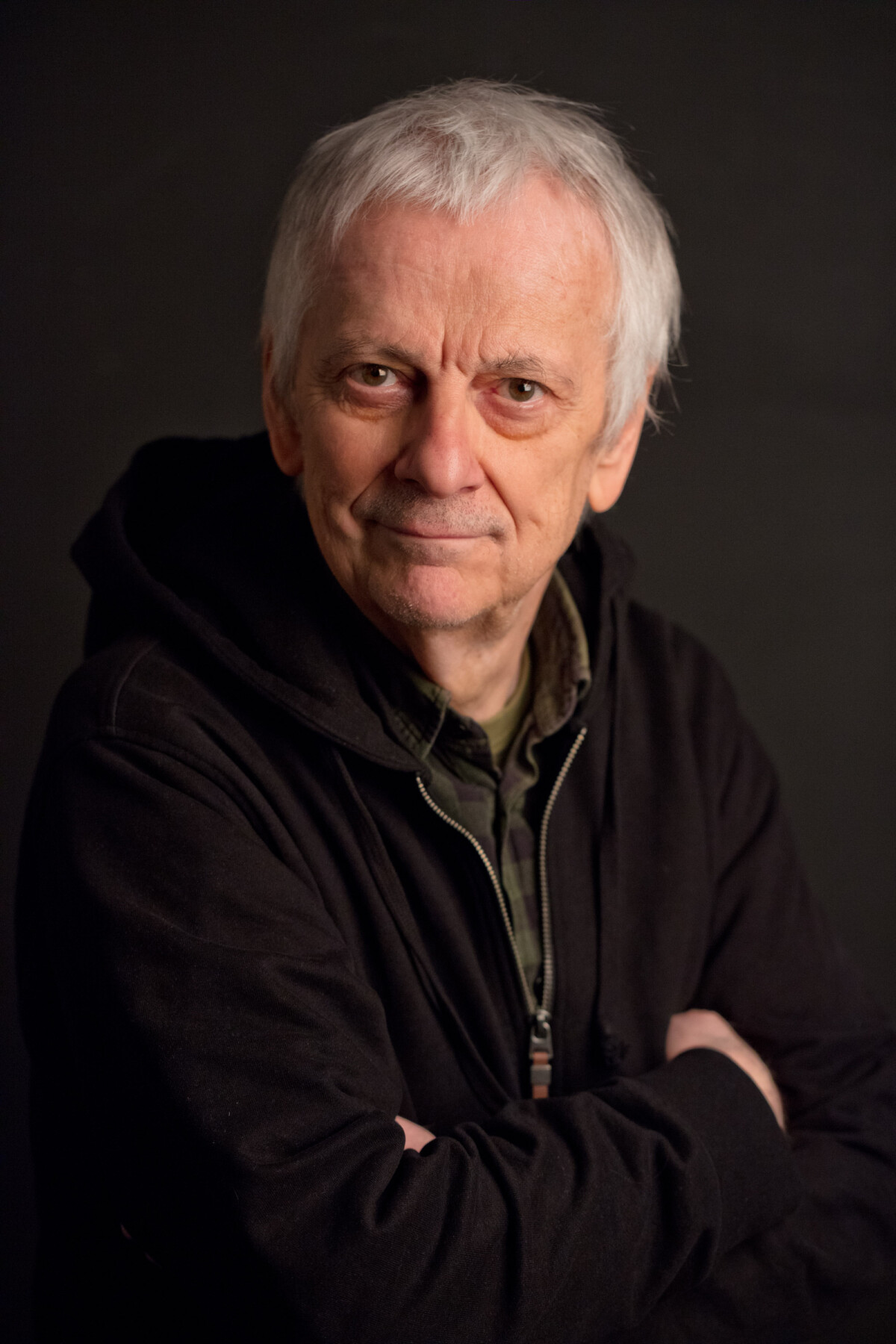
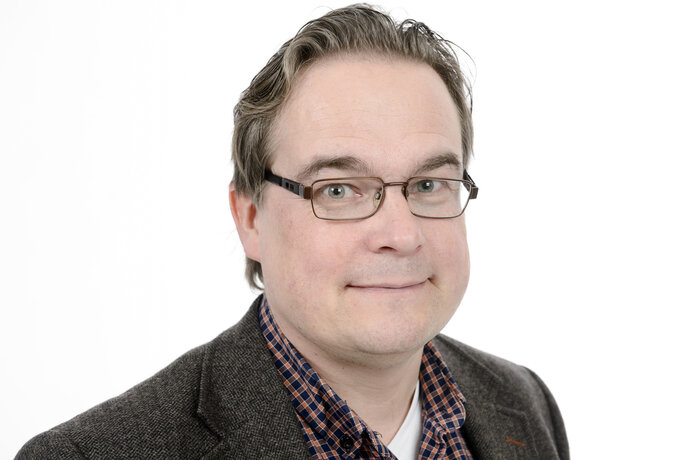
Torbjörn Ahlström is a Professor in Historical Osteology at the Department of Archaeology and Ancient History, Lund University, within the Joint Faculties of Humanities and Theology. He serves as Vice Chairman of the Academic Appointments Board for these joint faculties. His work focuses on the intersection of archaeology and physical anthropology, particularly through osteological analysis of human remains from Scandinavian archaeological contexts.
Professor Ahlström's research interests center on bioarchaeology, osteological analysis, and isotopic studies of ancient populations. His work particularly emphasizes the Neolithic period and Early Holocene in Scandinavia, with extensive research on burial practices, migration patterns, and health conditions of prehistoric populations. His fingerprint reveals deep expertise in Strontium isotope analysis, burial archaeology, and Gotland's archaeological record. His approach combines traditional osteological methods with cutting-edge scientific techniques to reconstruct past lifeways.
His recent publications demonstrate a strong trend toward interdisciplinary research combining osteology with ancient DNA analysis and isotopic studies. The 2024 Nature paper on plague infections across Neolithic generations represents a significant contribution to understanding disease transmission in prehistoric societies. His work on Bishop Peder Winstrup's burial combines historical records with cutting-edge bioarchaeological methods. Much of his research focuses on Scandinavian sites, particularly from Gotland and Falbygden, examining megalithic tombs and burial practices.
Professor Ahlström actively supervises research, with four supervised works documented in his profile. His research is supported by multiple ongoing projects including 'Hallen på Höjden. Dynastiers residens och domän' (2022-2026), 'A Bioarchaeological Perspective on Urbanization in Medieval Denmark' (2020-present), and the long-running 'Osteology Analysis Service' (2009-present).
He leads or participates in several research teams and networks, including LUARCH (since 2017) and the project on 'Occupational injuries and health in different social classes during the early modern period.' His work has generated significant public interest, with multiple publications receiving widespread media coverage across numerous news outlets, blogs, and social media platforms.