معرفی
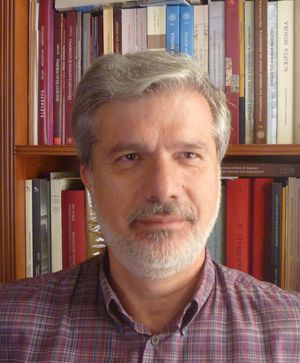
Konstantinos Kissas serves as a Private Lecturer in the Department of Classical Archaeology at the University of Trier since 2019, following his re-habilitation there. His professional background spans Greek archaeological administration: Staff Member at the Acropolis Ephorate of Antiquities (1992-2007), Director of the Ephorate of Antiquities in Corinth (2007-2016), and Director of excavations across five major sites including Tenea, Pheneos, Sikyon, Lechaion, and Aidonia. He also held directorship roles within the Greek Ministry of Culture and Sport.
His academic credentials include:
- PhD from University of Salzburg (1986)
- Habilitation at University of Graz (2013)
- Re-habilitation at University of Trier (2019)
Dr. Kissas specializes in Classical and Provincial Roman Archaeology with concentrated expertise in Mycenaean Greece. His research focuses on Bronze Age material culture and funerary practices, demonstrated through extensive fieldwork across the Greek mainland. The 2017 publication of the Aidonia Mycenaean Chamber Tomb represents a significant contribution to understanding rural burial customs during the Late Helladic period. His excavations reveal continuous occupation patterns from the Bronze Age through Roman eras, highlighting cultural transitions in provincial contexts.
No scientific awards are documented in the available information.
While specific current students aren't listed, his excavation directorships indicate extensive field supervision experience. The multi-year, multi-site nature of his projects demonstrates consistent success in securing archaeological permits and operational funding through Greek cultural authorities. His field teams function as practical training grounds for emerging archaeologists.
Though no formal laboratory is specified, Dr. Kissas leads archaeological field projects as his primary research vehicle. His work integrates survey, excavation, and material analysis across diverse geographical contexts in Greece, maintaining strong institutional ties between the University of Trier and Greek archaeological services.