معرفی
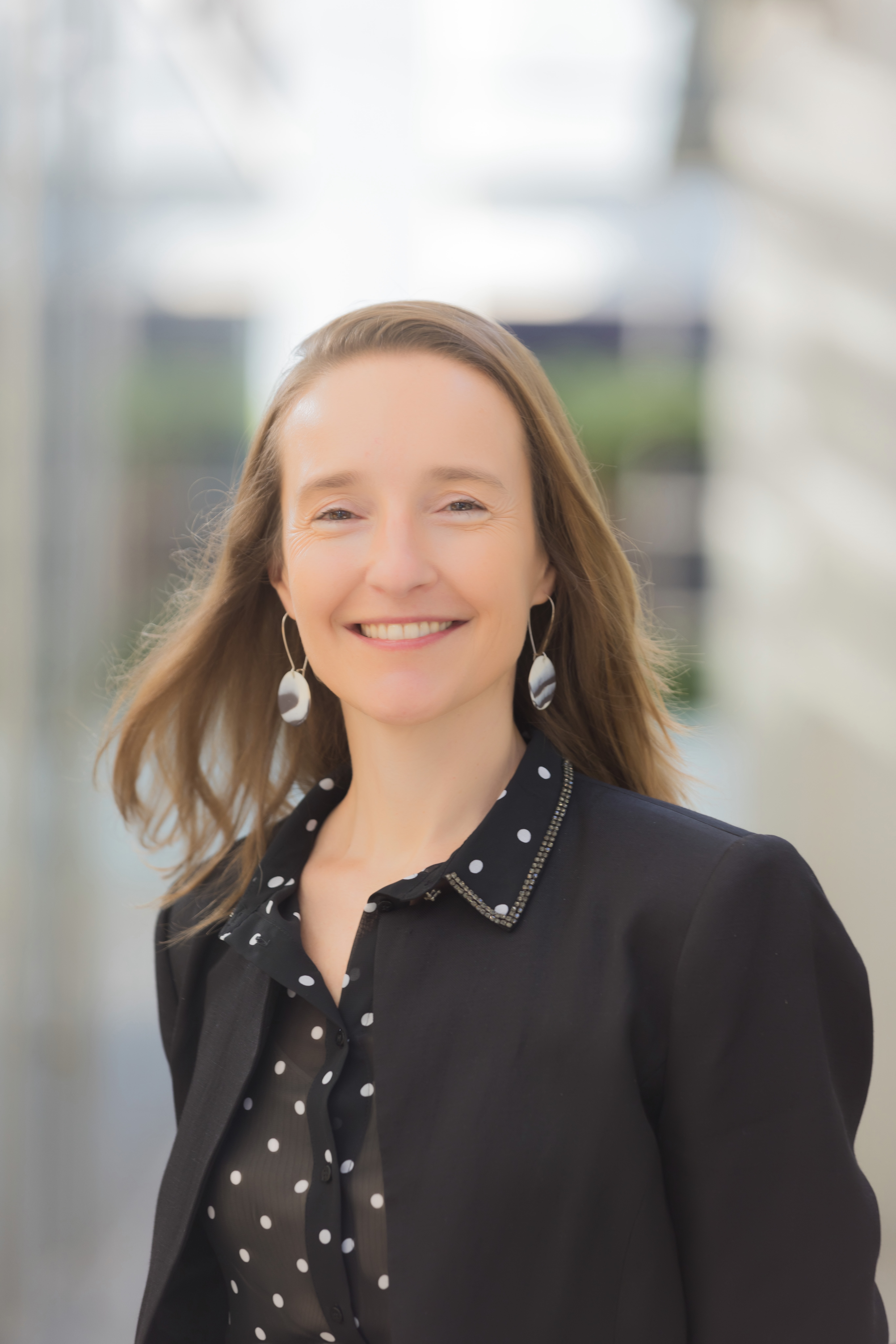
Professor Kim Delbaere is a Senior Principal Research Scientist at Neuroscience Research Australia (NeuRA), Director of Innovation & Translation at the Falls, Balance & Injury Research Centre, and Professor and Discipline Lead of Physiotherapy at the School of Health Sciences, University of New South Wales. She is a globally recognized leader in falls prevention and healthy ageing, integrating expertise across physiotherapy, neuropsychology, behavioral science, and digital health innovation.
Her research focuses on understanding and addressing the physical, psychological, and cognitive contributors to falls in older adults. Professor Delbaere's work has transformed fall prevention approaches through multidisciplinary research and innovative digital health solutions. She leads the development of validated digital health interventions and assessment tools now used globally in clinical trials, health services, and policy. Her research spans balance training, fear of falling, and digital exercise programs like StandingTall that have been implemented internationally.
Professor Delbaere's scientific contributions have significantly impacted clinical practice and health policy. Her work has been cited in international clinical guidelines, informed government strategies, and influenced commercial health technologies adopted by industry leaders. She is committed to translating research into real-world solutions that make measurable differences in people's lives, working closely with health services, aged care providers, and policymakers.
- Fellow of the Australian Academy of Health and Medical Sciences (2024)
- NHMRC Excellence Awards
- Sustained success in securing competitive research funding
Professor Delbaere leads numerous research projects including StandingTall, MovingTogether, My Personal Rehab, and various initiatives focused on implementing digital exercise programs in health services. Her current work emphasizes translating evidence-based fall prevention strategies into accessible solutions that empower older Australians to live more confidently and independently.