معرفی
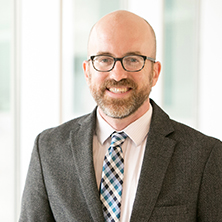
Kent Lehnhof is Professor of English in the Wilkinson College of Arts, Humanities, and Social Sciences at Chapman University, where he has been teaching since 2004. His office is located in Smith Hall 08-E, with regular office hours on Fridays from 10am to 12pm. Lehnhof earned his BA from Brigham Young University and PhD from Duke University, establishing a distinguished academic career focused on early modern literary studies.
Lehnhof specializes in early modern literature with particular emphasis on Renaissance drama and questions of gender. His scholarly work examines intersections between literature, philosophy, and theatricality, with significant contributions to Shakespeare studies, Milton studies, and the application of Levinasian philosophy to literary analysis. His research spans topics including somatic experience in Paradise Lost, connections between antitheatricalism and antifeminism in early modern England, and contemporary explorations of twinship in Renaissance literature.
Lehnhof's publication record demonstrates consistent scholarly productivity across major academic journals including ELR, ELH, SEL, Modern Philology, Renaissance Drama, Shakespeare Bulletin, Milton Quarterly, and Criticism. His recent work shows an evolving trajectory from traditional textual analysis toward interdisciplinary approaches incorporating philosophical frameworks, particularly Levinasian ethics, and contemporary theoretical concerns. The recurring themes in his scholarship reveal a sustained interest in the relationship between embodiment, ethics, and theatrical representation in early modern literature.
- Wang-Fradkin Professorship (2008) - Chapman University's highest honor for excellence in scholarship
- Outstanding Teaching Professorship (2013) - Chapman University's highest honor for excellence in teaching
As an educator, Lehnhof has received Chapman University's highest honors for both scholarship and teaching, reflecting his dual commitment to research excellence and pedagogical innovation. In alternating years, he leads a summer travel course to London (ENG 355: Theater in England), providing students with immersive cultural and theatrical experiences that complement his classroom instruction. His dedication to undergraduate education extends beyond the traditional classroom through these experiential learning opportunities that connect literary study with live performance.