معرفی
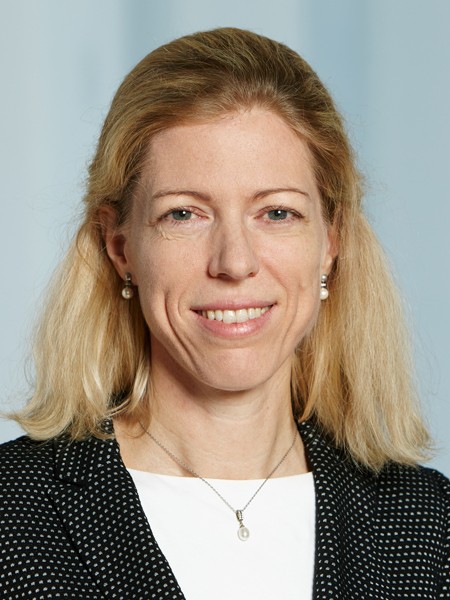
Dr. Karina Silina serves as a Lecturer at the Department of Chemistry and Applied Biosciences, ETH Zurich, where she leads an independent research group as an SNF Prima grant recipient since 2022. Her work bridges pharmaceutical sciences and immunology with a focus on tumor microenvironment dynamics.
Academic Background:
- PhD in Biochemistry and Molecular Biology (University of Latvia, 2006-2010)
- Postdoctoral training at University of Zurich (2014-2021) under Prof. Maries van den Broek
- Current SNF Prima group leader at ETH Zurich's Institute of Pharmaceutical Sciences
- Teaches core courses including Pharmaceutical Immunology I and Cutting Edge Topics in Immunology
Research Focus: Dr. Silina's laboratory investigates tertiary lymphoid structures (TLS) - organized immune cell aggregates that form in tumors and influence cancer progression and therapy response. Her work examines TLS development mechanisms, their role in T/B cell interactions within solid tumors, and clinical implications for immunotherapy efficacy. Key interests include TLS impairment by corticosteroids, germinal center functionality in lung cancer, and TLS-associated biomarkers across multiple cancer types.
Publication Trends: Analysis of her 15 most recent publications (2018-2024) reveals consistent focus on TLS across diverse malignancies including lung, bladder, colorectal, and breast cancers. Her research integrates advanced methodologies from deep learning-based histopathology (e.g., HookNet) to single-cell immune profiling, with strong translational emphasis on immunotherapy response prediction and TLS-targeted therapeutic strategies.
Recognition:
- SNF Prima Grant (2022) - Switzerland's premier award for outstanding women researchers establishing independent careers
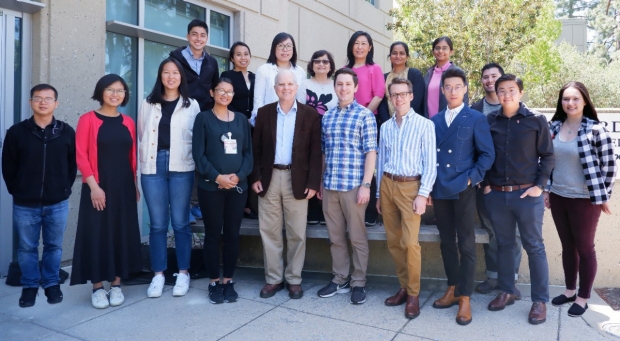
Research Leadership: As SNF Prima group leader, Dr. Silina directs a multidisciplinary team investigating TLS biology through collaborations with University Hospital Zurich pathologists and computational biologists. Her group combines quantitative pathology, murine cancer models, and clinical data analysis to develop TLS-based diagnostic and therapeutic approaches. Current projects include TLS maturation dynamics in colorectal cancer recurrence and TLS impairment mechanisms in immunotherapy resistance.