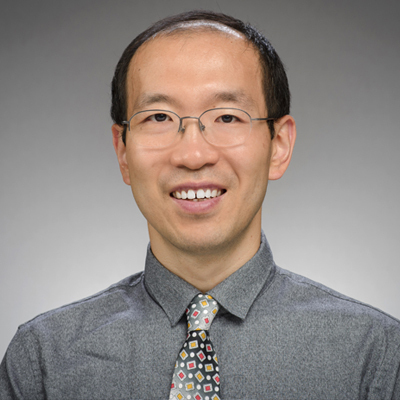
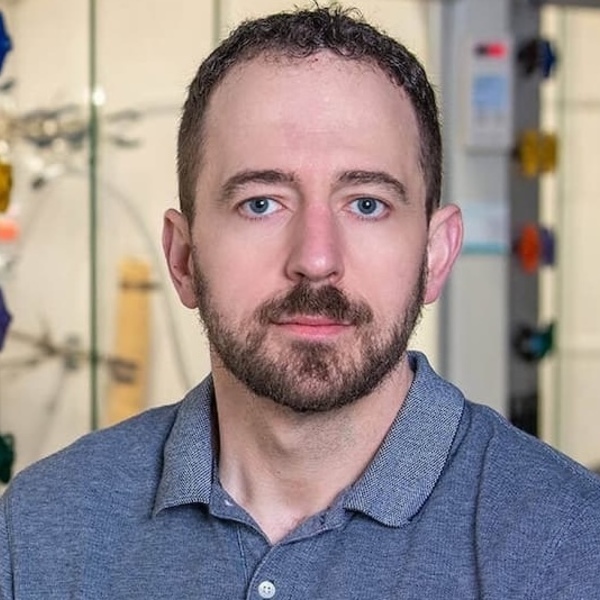
Daiwei (David) Zhang, PhD, is an Assistant Professor (tenure-track) in the Department of Biostatistics at the University of North Carolina at Chapel Hill School of Medicine, with a joint appointment in the Department of Genetics. His research focuses on developing AI frameworks for analyzing high-dimensional biomedical data, particularly in spatial omics, computational pathology, and medical imaging. Education: MS (Biostatistics) and PhD (Biostatistics and Scientific Computing) from the University of Michigan. Postdoctoral Training: University of Pennsylvania. Research interests include applying machine learning to address biomedical challenges such as tumor heterogeneity, immune interactions, and tissue architecture. His work spans computational methods for spatial transcriptomics, proteomics, and histology integration. Recent publications emphasize spatial multi-omics analysis of cancer ecosystems, tertiary lymphoid structures, and metabolic coordination. These studies leverage advanced machine learning algorithms and interdisciplinary approaches to advance precision medicine. No scientific awards are explicitly mentioned, but his work reflects significant contributions to biomedical AI research. Grants and advising details are not provided in the text.
Kelli Connolly is an Associate Research Scientist at the Yale School of Medicine, Yale University. Her research focuses on cancer immunology, with a particular emphasis on tumor immunity, T cell biology, and neoantigen-driven immune responses. She develops and utilizes mouse models to investigate mechanisms underlying anti-tumor immunity, including T cell exhaustion, tertiary lymphoid structures in cancer, and the role of stem-like T cells in sustaining immune responses. Her work bridges basic immunology and translational cancer research, aiming to improve immunotherapy strategies. Key Collaborations: Works closely with researchers like Nikhil Joshi, Gena Gora Foster, and Julie F. Cheung. Research Themes: Neoantigen expression, tumor-draining lymph node dynamics, and combination therapies targeting the immune microenvironment. Her studies highlight the importance of lineage fidelity in CD8 T cells and the role of transcription factors like KLF2 in suppressing exhaustion. She also explores how modulating chemokine axes (e.g., CCR2/CCR5) enhances radiotherapy efficacy. Connolly’s contributions span preclinical models for lung and pancreatic cancers, emphasizing the interplay between tumor biology and immunological mechanisms. Publications span journals like Science , Cell , and Nature Biotechnology , reflecting her impact in cancer immunology and translational research.
Xin Lu is the John M. and Mary Jo Boler Collegiate Associate Professor in the Department of Biological Sciences at the University of Notre Dame. She is a full member of the Harper Cancer Research Institute (HCRI), the Boler-Parseghian Center for Rare and Neglected Diseases (CRND), and the Tumor Microenvironment and Metastasis Program at the Indiana University Simon Comprehensive Cancer Center. Her research spans tumor immunology, immunotherapy, metastasis, and multi-omics, with a focus on prostate, breast, and rare cancers. Ph.D. in Molecular Biology, Princeton University (2004–2010) B.S. in Biological Sciences, Tsinghua University, China (2000–2004) Postdoctoral Fellow, Dana-Farber Cancer Institute and M.D. Anderson Cancer Center (2010–2016) Assistant to Associate Professor, University of Notre Dame (2017–Present) Dr. Lu's research investigates the molecular and cellular mechanisms of tumor-immune crosstalk, particularly the role of myeloid-derived suppressor cells (MDSCs) and neutrophils in promoting immunotherapy resistance. Her lab uses genetically engineered mouse models, functional genomics, single-cell and spatial transcriptomics, and high-throughput screening to uncover novel therapeutic targets. A major focus is on how cancer-cell-intrinsic oncogenic signaling shapes the immunosuppressive tumor microenvironment. Her recent publications reveal mechanisms such as Acod1-mediated ferroptosis resistance in neutrophils, Pygo2-driven immunosuppression in prostate cancer, and the efficacy of ketogenic diets in overcoming checkpoint blockade resistance. These studies span multiple disciplines including cancer biology, immunology, metabolism, epigenetics, and bioengineering, reflecting a highly integrative approach to immuno-oncology. Jane Coffin Childs Postdoctoral Fellow John M. and Mary Jo Boler Faculty Appointment Cluster Chair, Cellular & Molecular Biology, IBMS PhD Program Junior Chair, Boler-Parseghian Center for Rare and Neglected Diseases Dr. Lu mentors a diverse team of graduate students, postdoctoral fellows, and undergraduates. Her lab is actively recruiting and has secured funding from federal agencies and private foundations. She collaborates with chemists, bioengineers, and bioinformaticians to develop novel therapeutics, including antibody-drug conjugates, CAR-NK cells, and small-molecule inhibitors. Her lab also develops innovative platforms like mini-tumor chips for immunotherapy evaluation. Her lab maintains affiliations with multiple interdisciplinary centers including the Warren Family Center for Drug Discovery, Eck Institute for Global Health, and Berthiaume Institute for Precision Health, underscoring her collaborative and translational research vision.
Michael Dustin is the Kennedy Trust Professor of Molecular Immunology and Director of Research at the Kennedy Institute of Rheumatology , University of Oxford. His career spans leadership roles at Washington University School of Medicine (1993–2000) and Skirball Institute of Biomolecular Medicine at NYU School of Medicine (2001–2013). Education : B.A. in Biology, Boston University (1984) Ph.D. in Cell and Developmental Biology, Harvard University (1990) Prof. Dustin's research focuses on the immunological synapse , a specialized interface between T cells and antigen-presenting cells. His work has revealed supramolecular attack particles as autonomous killing entities, synaptic ectosomes for TCR cargo transfer, and mechanistic insights into T cell signaling pathways. His recent publications highlight advancements in vaccine adjuvant response , T cell receptor dynamics , and glycosphingolipid synthesis in immune cells. Collaborations span neuroscience, cancer immunology, and rheumatology. Scientific Awards : Wellcome Trust Principal Research Fellowship European Research Council Advanced Grant (SYNECT) As Director of the NIH-funded Nanomedicine Center for Mechanobiology (2009–2014), he pioneered mechanobiology applications in immunology. Current projects integrate intravital microscopy and clinical translation for human diseases. His laboratory at Oxford investigates T cell regulation in autoimmune and inflammatory diseases, supported by an international network of collaborators including Wenbiao Gan, Dan Littman, and Dorian McGavern.
Professor Annette Byrne is a leading academic at RCSI University of Medicine and Health Sciences , where she serves as Professor of Physiology and Head of the Precision Cancer Medicine (PCM) Group. She has held this position since 2019 after progressing through roles as Lecturer (2008), Senior Lecturer (2013), and Associate Professor (2017). Her research focuses on precision medicine approaches for colorectal and brain cancers , integrating multi-modality molecular imaging , Next Generation Sequencing , and patient-derived xenograft models . PhD in Cell Biology (University of York, 1999) John Kerner Fellowship in Gynaecologic Oncology (UCSF, 1999-2001) Scientist at Pharmacyclics Inc. (2001-2003) Senior Scientist at Angion Biomedica Corp. (2003-2005) Principal Investigator at UCD Conway Institute (2005-2008) Her research interest lies in precision cancer medicine , particularly elucidating predictive biomarkers (genomic, transcriptomic, proteomic) and identifying novel therapeutic targets . Key methodologies include radiomics , fluorescence-guided surgery , and systems modeling of apoptosis pathways. She has pioneered Ireland's first Tumour Xenograft Facility and Translational In Vivo Imaging Centre . Recent publications highlight her work on cross-species radiomics , cell-free DNA analysis , and glioblastoma microenvironment subtyping . Her Marie Curie networks (Gliotrain, Glioresolve) and COLOSSUS project have trained 25+ PhD researchers in brain cancer therapeutics. Over €45M in national/international grants Member of Royal Irish Academy (2025) Highly cited in Cancer Discovery , Annals of Oncology , and Nature journals She supervises multiple PhD candidates and leads the RCSI Precision Cancer Medicine Group , which utilizes computational approaches and molecular imaging to improve cancer treatment outcomes. Her GLIORESOLVE and EDIReX projects focus on tumor microenvironment manipulation and distributed PDX infrastructure.
Fabian Spill is a Professor of Applied Mathematics, specializing in interdisciplinary research that bridges mathematical modeling with biomedical applications. His work spans cancer biology, metabolic pathways, and data-driven optimization for sustainable systems. Research Focus: Mathematical modeling of cancer spheroids, immune-inflammatory dynamics, and epigenetic age regression. Collaborations: Engages in cross-disciplinary projects with institutions like the Medical Research Council and Innovate UK. Projects: Leads initiatives in systems-mechanobiology, stem cell behavior prediction, and energy-efficient building design. Recent publications highlight his contributions to hybrid computational models for collagen stiffening in tumors, lactate signaling in inflammation, and interpretable machine learning frameworks for age estimation. His research aligns with UN Sustainable Development Goals, particularly those addressing health and sustainable cities.
Professor Torsten Nielsen is a clinician-scientist at the University of British Columbia 's Department of Pathology & Laboratory Medicine (Faculty of Medicine), based at Vancouver General Hospital and BC Cancer . He directs UBC's MD/PhD Program , contributes to cancer clinical trials with the Canadian Cancer Trials Group , and chairs the international Connective Tissue Oncology Society 's Research Committee. Key affiliations: UBC, Vancouver General Hospital, BC Cancer, Molecular and Advanced Pathology Core Academic focus: Translational research in sarcomas and breast cancer His research prioritizes translating genomic discoveries into clinical diagnostics and treatments, particularly for synovial sarcoma , breast cancer subtypes , and tenosynovial giant cell tumors . He develops FDA-cleared molecular assays like the PAM50 (Prosigna) test and leads pan-Canadian precision oncology initiatives . Collaborative efforts include work with Stanford, Leiden, and DKFZ Heidelberg. Recent publications highlight advancements in epigenetic therapies , immune biomarker validation , and synovial sarcoma pathogenesis . His lab's work on CSF1/CSF1R signaling inspired new treatment strategies for joint-destructive tumors. Scientific Awards: Fellow, Canadian Academy of Health Sciences Fellow, Royal Society of Canada As director of UBC's MD/PhD Program, he trains future clinician-scientists. His lab team includes experts in epigenomics , proteomics , and mouse modeling . Current projects focus on precision oncology for sarcomas and Ki67 standardization in breast cancer.
Dr. Daniel Shu is an Assistant Professor in the Department of Medicine at the University of Maryland School of Medicine and a medical oncologist at the University of Maryland Greenebaum Comprehensive Cancer Center. His clinical expertise encompasses gastrointestinal cancers, including liver, bile duct, gallbladder, pancreas, and colon malignancies. Education: MD from Temple University School of Medicine (2017) Internal Medicine Residency at Johns Hopkins Hospital (2020) Medical Oncology Fellowship at Johns Hopkins Hospital (2024) Dr. Shu's research centers on cancer immunology, with emphasis on adaptive immune responses to malignancies. He employs multiomic techniques including bulk/single-cell RNA sequencing, TCR/BCR sequencing, and imaging mass cytometry to investigate tertiary lymphoid structures in liver cancer immunotherapy. His work bridges clinical oncology and mechanistic immunology to optimize therapeutic strategies. His 2024-2025 publications reveal a concentrated focus on tertiary lymphoid structures as biomarkers and therapeutic targets in hepatocellular carcinoma. Research spans clinical trial analysis, pathological response assessment, and morphological characterization of immune structures during neoadjuvant immunotherapy, establishing foundational insights for precision immuno-oncology. Scientific Awards: Conquer Cancer/ASCO Young Investigator Award (2024-2025) Supported by the ASCO Young Investigator Award, Dr. Shu leads research integrating clinical oncology with advanced immunological profiling. He actively collaborates within multidisciplinary teams at the Greenebaum Comprehensive Cancer Center, focusing on gastrointestinal malignancies and immune microenvironment dynamics. His ongoing projects include biomarker development for immunotherapy response prediction. As a member of ASCO, AACR, and SITC, Dr. Shu contributes to national cancer research initiatives while maintaining clinical practice in gastrointestinal oncology at the University of Maryland's NCI-designated cancer center.
Hooi Ee serves as a Clinical Professor in the Department of Internal Medicine at the University of Western Australia Medical School. With an h-index of 301 and 301 citations, their research focuses on colorectal cancer prevention and management within the Australian healthcare system. Research interests center on Colorectal Carcinoma (100% fingerprint match) Colonoscopy optimization (41%) Healthcare cost analysis (23%) Family history and hereditary cancer syndromes (22-20%) Recent work examines molecular diagnostics, polygenic risk scoring, and endoscopic techniques to reduce post-colonoscopy cancer incidence. Publication trends reveal a strong emphasis on translational colorectal cancer research, with 22 total outputs including high-impact studies in Cancer Epidemiology Biomarkers and Prevention (29 Scopus citations) and BMJ Open . Key themes include cost-effectiveness modeling, molecular characterization of tumors, and healthcare system interventions. Research is supported by four major grants: NHMRC-funded project on colonoscopy surveillance efficiency (2017-2022) Cancer Council NSW initiatives on pancreatic cancer treatment and genomics integration (2014-2019) Western Australian Department of Health pilot study on referral prioritization (2013-2015) Collaborative networks span 18+ institutions with significant clinical guideline impact, including reference in 1 clinical guideline source and coverage in 1 news outlet.
Dr Alice Denton is a Lecturer in the Centre for Inflammatory Disease at Imperial College London, where she has worked since January 2020. Her research focuses on understanding how fibroblasts influence immune responses during vaccination and aging. She leads a small lab team and has secured significant funding, including an MRC Career Development Award and a Dunhill Medical Trust Seed Award. Education: PhD, University of Melbourne (2006-2010) Postdoc, University of Cambridge (2010-2015) BBSRC FL Fellowship, Babraham Institute (2016-2019) Alice's research explores the interplay between fibroblasts and immune cells in lymph nodes, particularly how inflammation and aging affect fibroblast function. Her work aims to improve vaccine efficacy through better understanding of stromal-immune crosstalk. Key themes include germinal center immunology , lymph node stromal cells , aging immunity , and inflammatory microenvironment . Her recent publications emphasize fibroblast-immune interactions in tertiary lymphoid structures, podoplanin signaling , and TLR4 targeting for vaccine enhancement. She also investigates spatial organization of immune cells during aging and the role of lymphoid stromal cells in supporting macrophages and germinal centers. Scientific Awards: MRC Career Development Award Dunhill Medical Trust Seed Award Alice collaborates with colleagues at Imperial College London and manages multiple responsibilities including teaching, supervision, and lab work. Outside academia, she enjoys baking (especially sourdough bread), creating cat-themed art, and distilling experimental flavors like pea-flavored gin.
Prof Darran O'Connor is a Professor of Molecular Oncology at the Royal College of Surgeons in Ireland (RCSI), leading the School of Postgraduate Studies. His academic journey includes postdoctoral training at Columbia University and the University of Glasgow, followed by roles at UCD and RCSI. He specializes in molecular determinants of cancer progression, focusing on genomics, drug resistance, and therapeutic development. His lab is funded by SFI, EU, and cancer-focused foundations. Awards include the St Luke's Young Investigator Award and EMBO fellowships. Education: PhD in Cancer Biology, Trinity College Dublin/RCSI (1995–2000) MSc in Biological Sciences, Dublin City University (1994–1995) BA (Mod) Microbiology, Trinity College Dublin (1990–1994) Research Interests: Molecular oncology, cancer genomics, spatial transcriptomics, tumor microenvironment, and translational therapeutics. His work integrates functional genomics, in vitro/ex vivo models, and clinical translation using tissue microarrays. Grants & Awards: Science Foundation Ireland (SFI), EU, Susan G. Komen Foundation 9th St Luke's Young Investigator Award (2012) EMBO and Human Frontiers Science Programme Fellowships Labs & Teams: Leads a multidisciplinary team at RCSI's Molecular & Cellular Therapeutics department, focusing on cancer biology and precision medicine. Collaborates globally with institutes like Dana-Farber Cancer Institute and Netherlands Cancer Institute.
Dr. Arul Jayaraman is the Executive Associate Dean of the Texas A&M University College of Engineering and a Professor in the Artie McFerrin Department of Chemical Engineering. He holds the Ray B. Nesbitt Endowed Chair and is a Presidential Impact Fellow. His academic roles include serving as Associate Agency Director of the Texas A&M Engineering Experiment Station and affiliation with Biomedical Engineering. Education: Ph.D. in Chemical Engineering from University of California, Irvine (1998), M.S. from Tufts University (1994), and B.S. from Birla Institute of Technology & Science (1987). Research focuses on molecular systems biotechnology, particularly investigating microbiota-host interactions in inflammatory diseases and colorectal cancer using systems biology and microfluidic models. Key areas include inter-kingdom signaling between bacteria and human cells, AhR receptor modulation by dietary metabolites, and development of drug screening platforms. His work bridges engineering, microbiology, and medicine with applications in precision health. Recent publications highlight advances in microbiota metabolomics, microbial corrosion modeling, and cancer microenvironment engineering. Over 20 awards include the NSF CAREER Award (2009) and multiple teaching honors recognizing his educational impact. His leadership roles drive interdisciplinary initiatives and infrastructure development in engineering education. Research teams collaborate on NIH-funded projects exploring gut microbiome influences on immunity and chronic diseases.
Matthew J. Webber is the Keating-Crawford Collegiate Professor of Engineering and Professor of Chemical and Biomolecular Engineering at the University of Notre Dame, where he also serves as Director of the Berthiaume Institute for Precision Health. He holds a concurrent associate professorship in the Department of Chemistry & Biochemistry. His expertise lies in supramolecular engineering, focusing on biomaterials and drug delivery systems that leverage non-covalent interactions. Webber graduated with a BS in Chemical Engineering from Notre Dame and a PhD in Biomedical Engineering from Northwestern University, followed by postdoctoral training at MIT under Professors Robert Langer and Daniel Anderson. Research interests include glucose-responsive hydrogels, dynamic covalent materials, and supramolecular peptide assemblies for therapeutic delivery. His work spans applications in cancer immunotherapy, diabetes treatment, and environmental contaminant capture. Notable contributions include injectable hydrogels for tumor-targeted immune modulation and smart insulin delivery systems. Publications highlight advancements in hydrogel mechanics, supramolecular sensors for opioids, and pH-responsive gene delivery platforms. Webber's NIH-funded CAREER grant supports research into dissipative hydrogels driven by chemical fuels. Collaborations span academia and industry, with a focus on translating materials science into clinical solutions. Labs & Teams: Directs the Berthiaume Institute for Precision Health and leads a multidisciplinary research group at Notre Dame's Department of Chemical and Biomolecular Engineering. Engages in cross-departmental initiatives combining engineering, chemistry, and medicine.
Michel DuPage is an Assistant Professor of Immunology and Molecular Medicine at the University of California, Berkeley, leading the DuPage Lab. His research focuses on understanding regulatory T cells (T regs ) and their role in cancer immunotherapy and autoimmunity. He investigates epigenetic mechanisms, such as EZH2 and histone modifications, to reprogram T regs for therapeutic purposes. His lab pioneers genetically engineered mouse (GEM) models to study tumor-immune interactions, emphasizing tumor-specific neo-antigens and immune tolerance. Research interests include T cell plasticity, chromatin regulation in immune cells, and leveraging genetic tools to dissect tumor immunity. The lab’s work bridges cancer biology, immunology, and epigenetics to enhance anti-tumor immunity while minimizing autoimmune toxicity. Key contributions include identifying EZH2 as a critical regulator of T reg stability and demonstrating the therapeutic potential of targeting this pathway in cancer. Students and lab members include Jesse Garcia Castillo (PhD graduate), Jenna Vickery (MCB graduate student), and Stephen Lin (Biotechnology master’s student). The lab is located in Weill Hall, UC Berkeley, with an office in 441A LSA.
Andreas Kleppe is an Associate Professor at the Department of Digital Signal Processing and Image Analysis, University of Oslo. His research focuses on integrating deep learning with medical imaging for cancer prognosis, particularly in gynecological and colorectal cancers. Research Interests Digital Signal Processing Medical Image Analysis Machine Learning Artificial Intelligence Deep Learning Medical Informatics Publication Trends Recent works emphasize deep learning for cancer outcome prediction, biomarker validation (e.g., DNA ploidy, L1CAM), and histopathological analysis. Collaborative studies span gynecological oncology, prostate cancer, and colorectal cancer, often leveraging automated staging markers. Labs/Groups He is affiliated with the Digital Signal Processing and Image Analysis (DSB) research group at UiO.