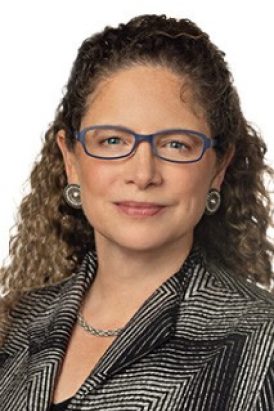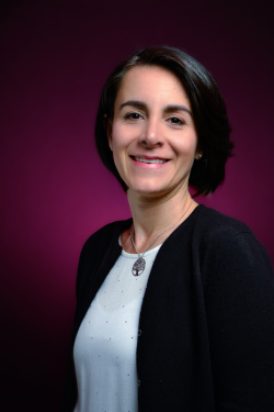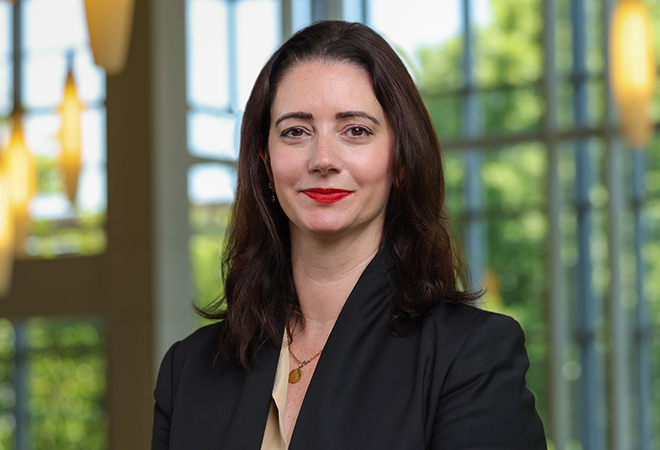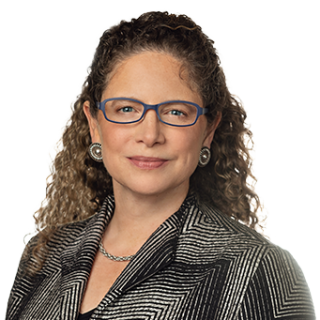
Karima E. Bennoune
استاد · International Human Rights Law
University of Michigan-Ann Arborمعرفی
Karima E. Bennoune is the Lewis M. Simes Professor of Law at the University of Michigan Law School. She specializes in public international law, international human rights law, and issues related to culture, extremism, terrorism, and women’s rights. Her tenure includes serving as UN Special Rapporteur for Cultural Rights (2015–2021) and advising the International Criminal Court on cultural heritage cases. She is a prominent advocate against gender apartheid, notably addressing the UN Security Council on Afghanistan’s gender policies and collaborating with Malala Yousafzai. Bennoune has held prestigious roles at UC Davis School of Law (2012–2022) and Rutgers School of Law, earning awards like the Dayton Literary Peace Prize for her book Your Fatwa Does Not Apply Here. She currently chairs sessions for the American Society of International Law (ASIL) and serves on the Board of Editors for the American Journal of International Law.
Education: Brown University (BA in History/Semiotics), University of Michigan (MA in MENA Studies, JD cum laude, graduate certificate in Women’s Studies). Her research integrates legal scholarship with global activism, addressing gender justice, cultural rights, and counter-terrorism strategies. Recent work focuses on gender apartheid, with articles published in American Journal of International Law, Berkeley Journal of International Law, and mainstream media outlets like the Washington Post and Forbes.
- Awards: 2024 Prominent Woman in International Law Award, 2017 Lawdragon 500, Derrick Bell Award (2007)
- Key Roles: ASIL Vice President (2025), UN Expert (2017), TED Talk Speaker (1.5M+ views)
- Media Presence: CNN, MSNBC, BBC, NPR, and multiple op-eds in global newspapers
Bennoune’s advocacy includes speaking at the Nelson Mandela Annual Lecture and advising international bodies on gender-based violence. She sits on the Scholar Advisory Board of Muslims for Progressive Values, aligning with her commitment to progressive interpretations of Islamic heritage.