معرفی
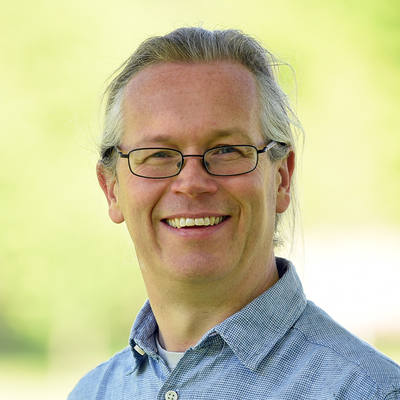
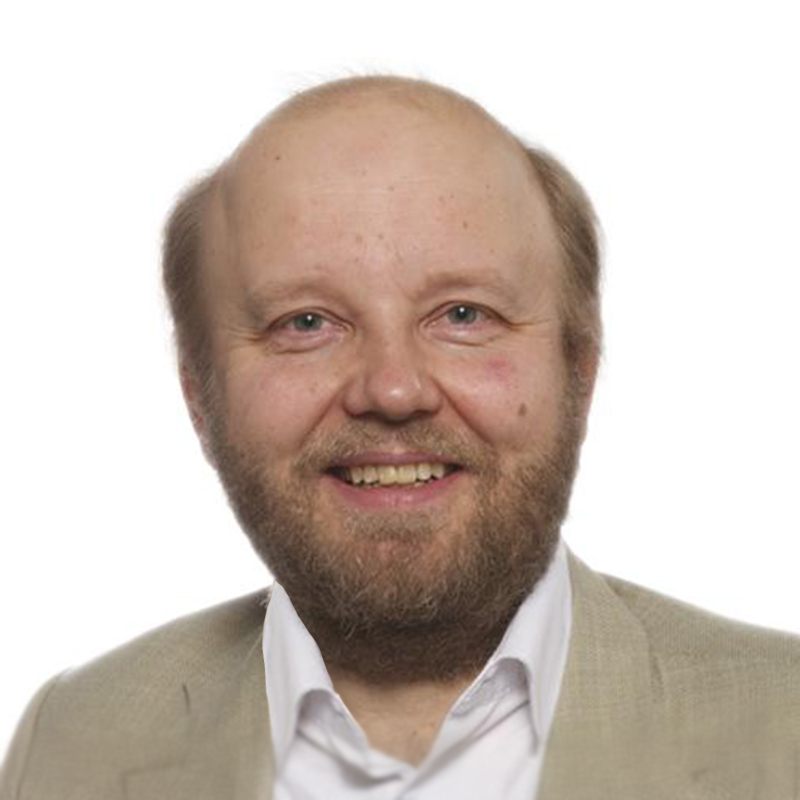
Professor Jussi Taipale is a leading researcher in gene regulation and systems biology with appointments at Karolinska Institutet (Sweden), University of Helsinki (Finland), and the Wellcome Sanger Institute (UK). Until December 2024, he also held the position of Herchel Smith Professor of Biochemistry at the University of Cambridge. His interdisciplinary research spans molecular biology, computational biology, and cancer genomics, focusing on deciphering the 'second genetic code' of transcription regulation.
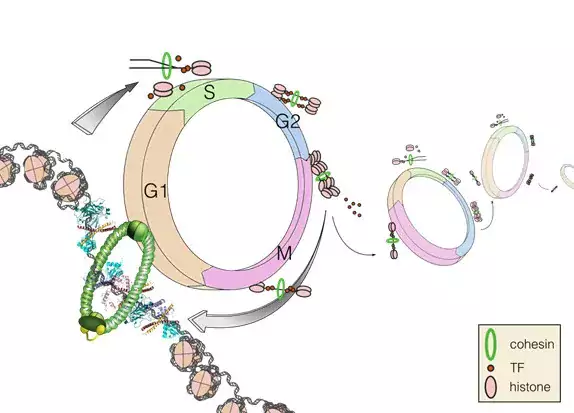
Dr. Taipale's research interests center on understanding the molecular mechanisms that control gene expression through transcription factor binding. He seeks to solve one of biology's fundamental questions: how cells control which genes are switched on or off during development and disease. His laboratory develops and utilizes high-throughput experimental techniques including HT-SELEX, ATI, and genome editing tools to characterize transcription factor binding specificities and sites in human cancer cells. His work combines wet-lab experimentation with computational biology to build predictive models of gene regulation.
Analysis of his recent publications reveals a strong focus on transcription factor interactions, chromatin structure, and the regulatory code governing gene expression. His research has made significant contributions to understanding how DNA sequence determines transcription factor binding and how this relates to disease mechanisms, particularly in cancer. His group has pioneered methods for high-throughput characterization of transcription factor binding and has made fundamental discoveries about how transcription factors interact with nucleosomes and with each other.
- Academy Professor (Akatemiaprofessori) at University of Helsinki
- Research Fellow of the Academy of Finland
- Wellcome Sanger Institute Programmes and Facilities member
- Recipient of multiple research grants from the Swedish Research Council
Professor Taipale leads an international research group with members across three countries. His laboratory develops novel methods for high-throughput biology to characterize transcription factor binding specificities and applies this knowledge to interpret cancer genomes and genome-wide association studies. The group consists of senior scientists, postdoctoral fellows, graduate students, and technical staff working collaboratively across institutions. His research has significant implications for understanding the mechanisms of cancer and other diseases including heart disease and diabetes.