معرفی
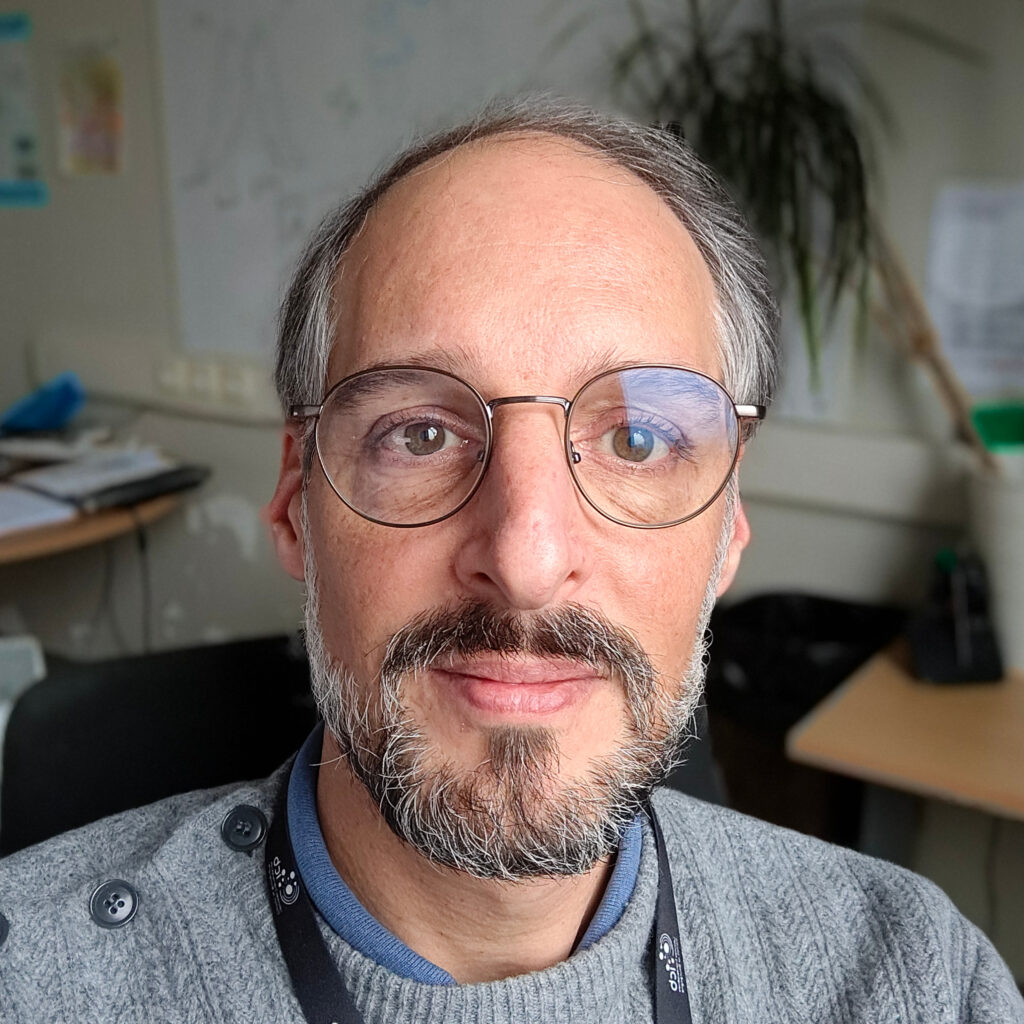
Julien Boudon is a Lecturer-researcher at the University of Burgundy Europe (UBE), attached to the Interdisciplinary Carnot Laboratory of Burgundy (ICB, UMR 6303) since September 2011. He serves as deputy director of the Nanosciences department of the ICB and leads the BH2N team. His academic affiliation includes being co-responsible for the M2 Chemical Controls and Analysis (CAC) program.
Dr. Boudon's research focuses on (Bio-)Hybrid Nanoparticles & Nanostructures, specifically developing functionalization approaches through step-by-step organic grafting of metal oxide nanoparticles. His work addresses critical questions of purification and characterization of nanohybrids developed for biomedical applications, including contrast agents for medical imaging and therapeutic vectors. His research bridges chemistry, materials science, and biomedical engineering to create innovative diagnostic and therapeutic solutions.
His publication record shows consistent output in nanomedicine and materials science, with particular emphasis on gold and iron oxide nanoparticles for medical applications. The research trends indicate progression from fundamental nanoparticle characterization to increasingly complex biomedical applications, with growing emphasis on translational research that bridges laboratory findings to clinical applications.
- 3 best poster awards
Dr. Boudon actively supervises doctoral students and has mentored numerous Master's students and post-doctoral researchers. His research is supported by multiple projects including an ANER project (60 k€), EUR Croconano project (300 k€), and BQR uB NOTaThé (5 k€), along with participation in several collaborative initiatives such as PARI PharmacoImagerie, PARI Nano2Bio, and ANR UFO project. He serves as a reviewer for numerous journals and has been an expert for the ANR in multiple evaluation committees.
He leads the BH2N team within the Interdisciplinary Carnot Laboratory of Burgundy and contributes significantly to the academic community through conference organization including NanoMed 2018, the 5th plenary days of the GdR B2i in 2022, and upcoming events in 2025.