معرفی
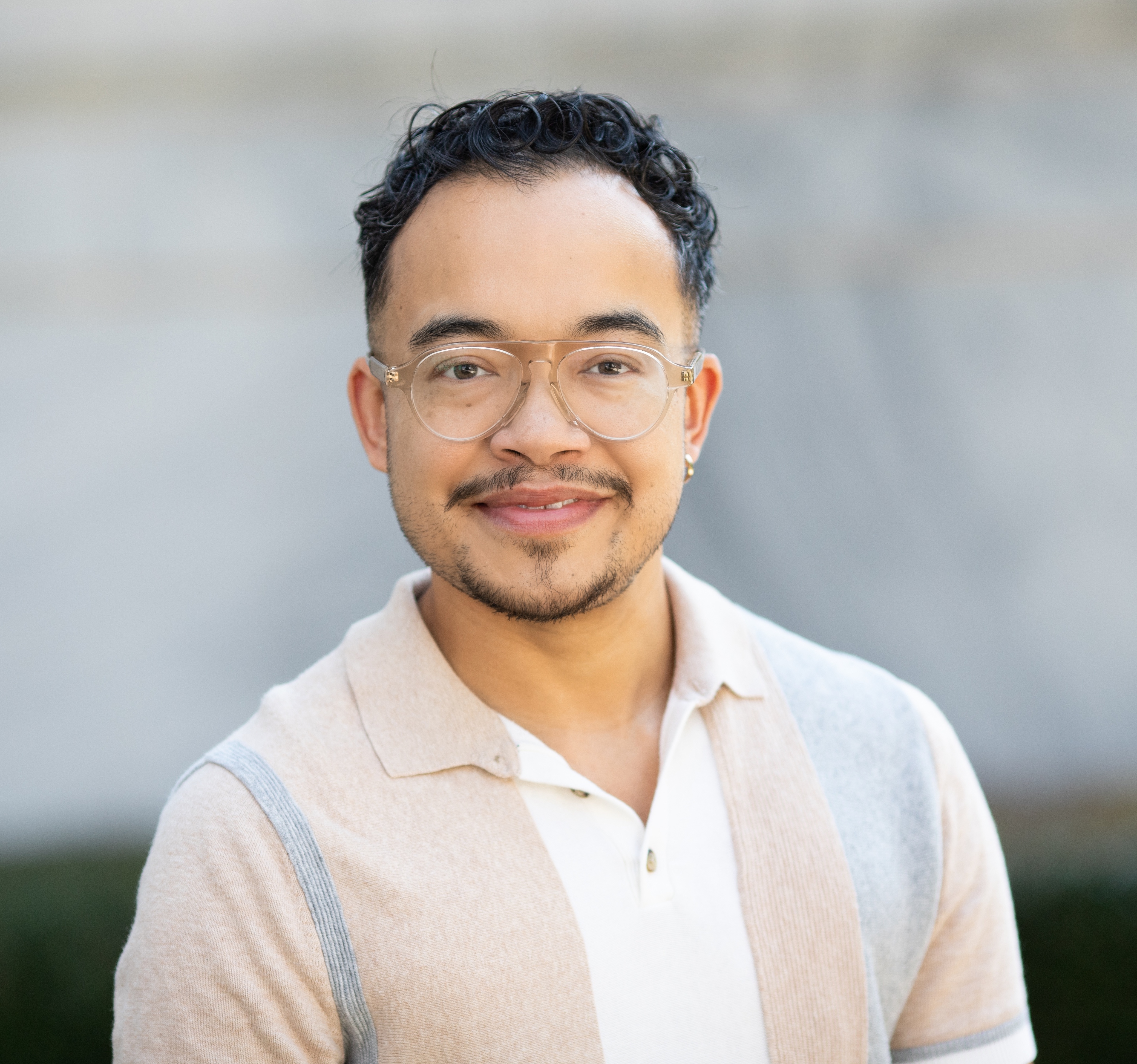
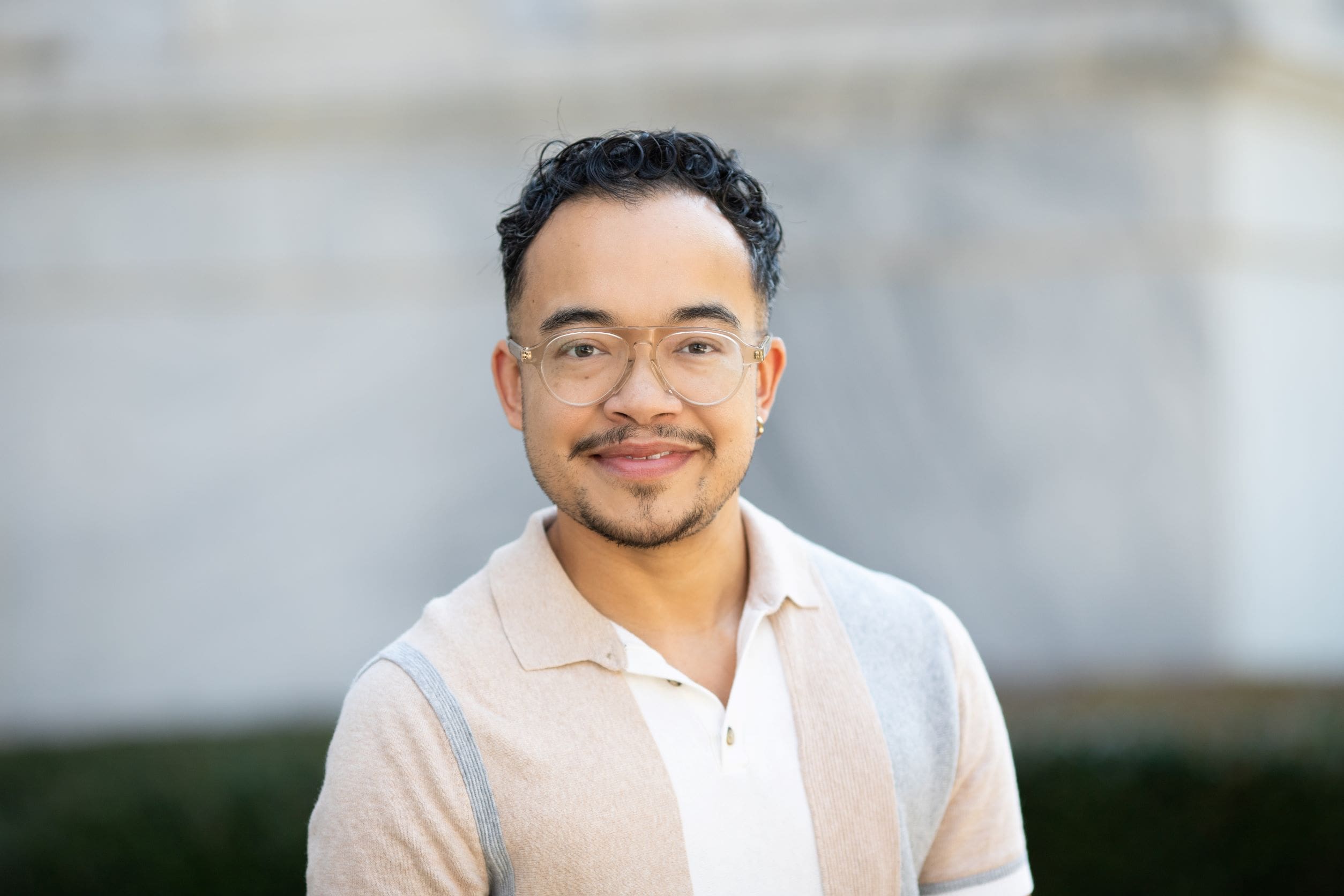
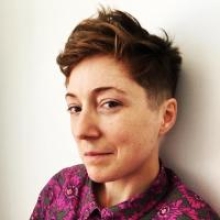
Julian Carter is an Associate Professor in the Critical Studies Program and Fine Arts at the California College of the Arts (CCA) in San Francisco. Their work spans creative writing, cultural history, and embodied practice, with a focus on queer and transgender studies, sexuality, race, and the arts.
- AB, Bryn Mawr College
- MA, University of California, Irvine
- PhD, University of California, Irvine
Their research explores how pleasure, power, and bodily experience shape identity and community. Drawing from dance, drawing, and life-writing, Julian investigates queer memory, trans poetics, and the historical roots of desire and touch. Their scholarship is deeply interdisciplinary, blending academic rigor with lyrical and artistic expression.
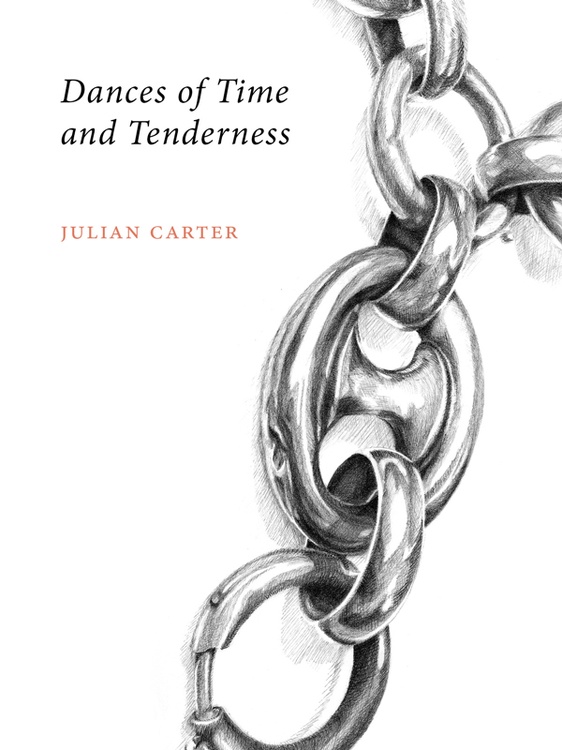
Julian Carter’s recent publications, including the 2024 multigenre book Dances of Time and Tenderness, reflect a sustained engagement with trans and queer worldmaking, intergenerational intimacy, and the ethics of identity. Their earlier work, such as The Heart of Whiteness (2007), examines the historical construction of race and sexuality in America. The articles and essays demonstrate a consistent focus on embodiment, transition, and the cultural politics of memory and performance.
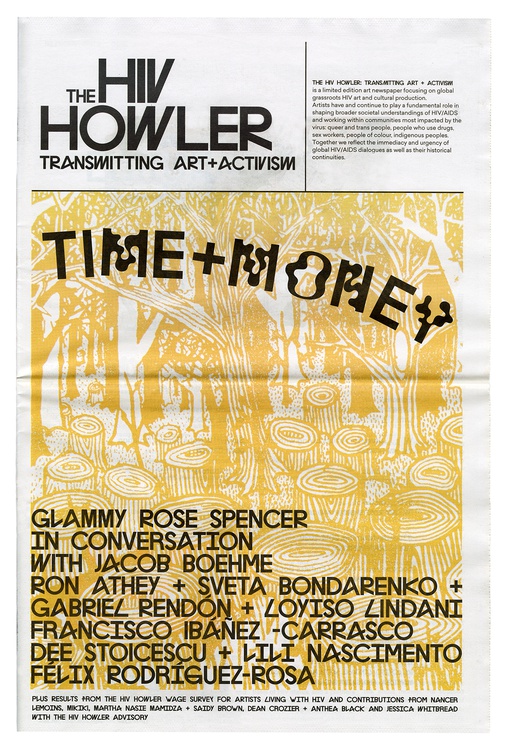
Julian has contributed to leading journals and anthologies such as GLQ, TSQ: Trans Studies Quarterly, TDR: The Drama Review, and The Transgender Studies Reader Vol. 2. Their writing appears across academic, artistic, and activist contexts, including blogs and zines, reflecting a commitment to accessible and transformative knowledge.
While no formal list of advisees is provided, Julian’s role as a professor and mentor in critical studies and fine arts suggests active engagement with graduate and undergraduate students. Their institutional email and personal contact indicate ongoing academic and public engagement, including readings and campus visits.
Julian Carter is deeply involved in creative and scholarly communities that bridge art and public life. Their work is exhibited and discussed in galleries and public forums, and they maintain a strong presence through their website and social media. The integration of drawing, performance, and writing underscores a holistic practice rooted in embodied research and transgenerational dialogue.