معرفی
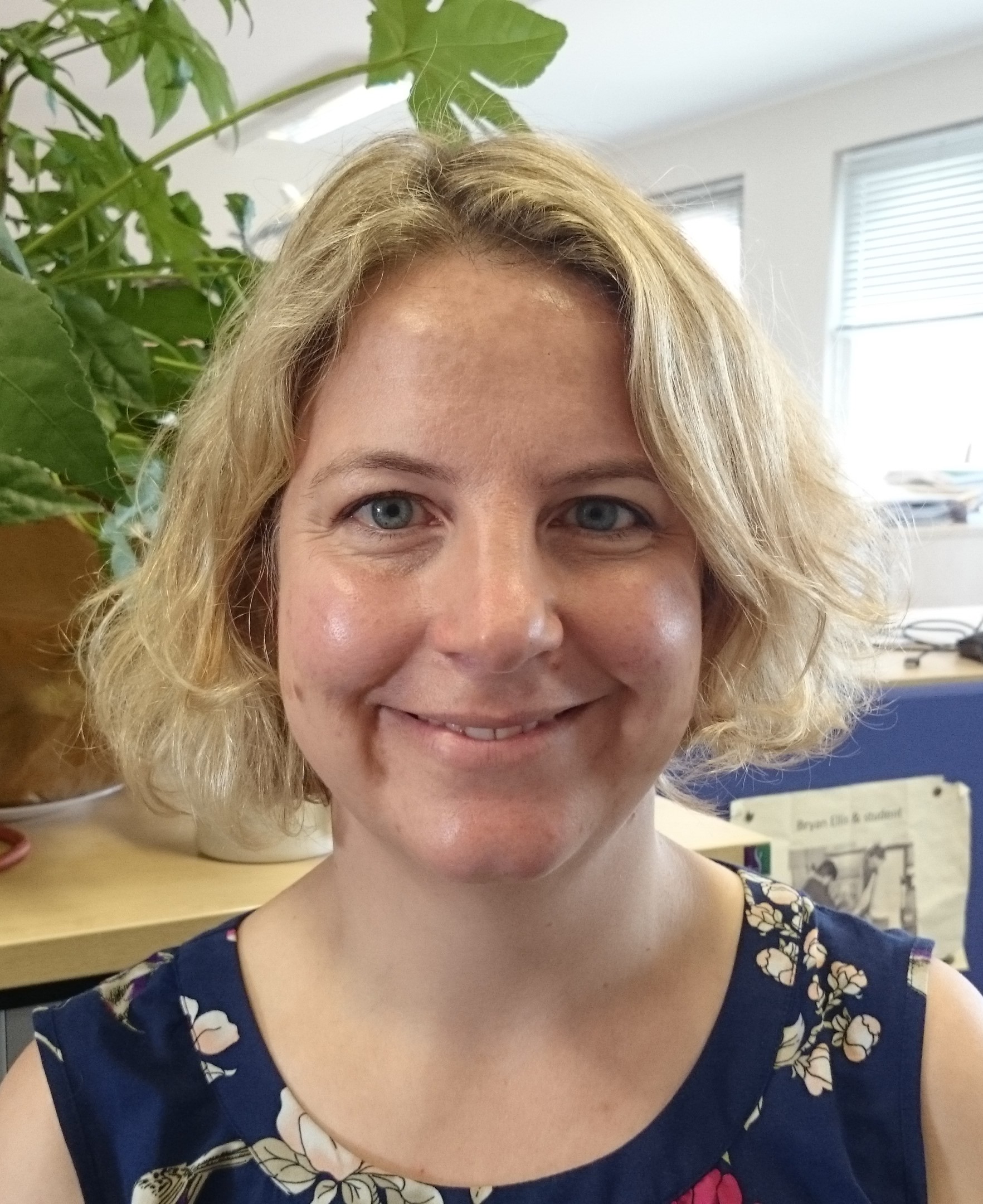
Dr. Julia Zakharova is a Lecturer in Water Engineering at the School of Architecture and Built Environment, Faculty of Science and Engineering, University of Wolverhampton. Her expertise spans water and wastewater treatment, stormwater management, and environmental protection of urban catchments through innovative engineering solutions.
Education:
- PhD in Catchment Management, Loughborough University (2011)
- PGCert in Higher Education, University of Wolverhampton (2019)
- BSc and MSc in Water Supply and Disposal, St. Petersburg
Her research focuses on two interconnected domains: environmental protection of catchments and water engineering. She investigates metal hazard risks from urban runoff and wastewater effluents, developing models for pollution identification and mitigation. A key emphasis is enhancing treatment processes using novel, low-cost materials like biochar derived from Hydrothermal Carbonisation (HTC), leveraging her expertise in solid behavior and pollutant mobility in aquatic systems.
Recent publications (2018-2021) demonstrate consistent advancement in monitoring and treatment technologies. Key themes include fluorescence-based effluent analysis, nanoparticle binding mechanisms for pollutant capture, metal speciation in highway runoff, and oil-interceptor performance assessment. These works reflect an interdisciplinary approach combining analytical chemistry, environmental engineering, and field applications to solve urban water quality challenges.
Dr. Zakharova has led significant projects including the Gates Foundation's 'Re-invent the Toilet' initiative (2011-2014) and industry collaborations with Balfour Beatty, Technical Surfaces plc, and Evoqua. Her work at the University of Birmingham validated fluorescence instrumentation in real-world waters, while her University of Manchester project monitored chlorine concentrations in drinking water systems, showcasing strong industry-academia translation capabilities.
She is an active member of the Chartered Institution of Water and Environmental Management (CIWEM) and has contributed to research groups at Loughborough University, University of Birmingham, and University of Manchester, focusing on de-risking emerging water technologies through laboratory and field validation.