معرفی
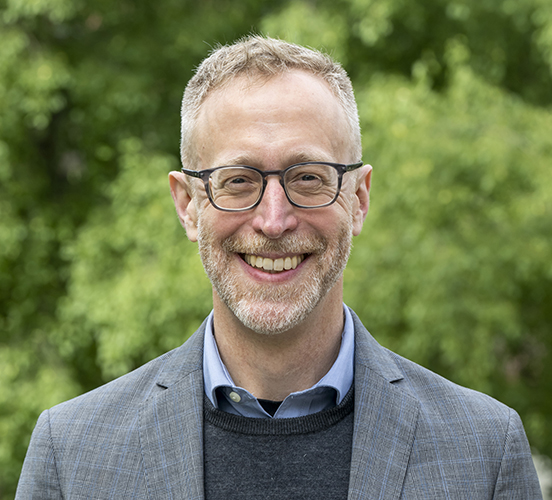
Joshua Shannon is Professor of Contemporary Art History & Theory and Director of Graduate Studies in the Department of Art History and Archaeology at the University of Maryland's College of Arts and Humanities. His scholarly work focuses on modern and contemporary visual art, photography, and architecture, with particular attention to art's relationship to social and cultural history since the Cold War period.
Professor Shannon's research interests include:
- Critical Theory
- Environmental Art
- Modern and Contemporary Art
- Photography
- The Americas
- Visual Culture
His current scholarship examines the critical intersection of art and climate change. He is writing "How and Why to Look at Art in the Time of Climate Change" (under contract with University of California Press), which argues that modern art innovations can help humanity conceive sustainable civilizations. His 2021 book "Humans" (co-edited with Jason Weems and Laura Bieger) provides a critical history of the concept of the human being in U.S. art and culture from colonial period to present. His 2017 monograph "The Recording Machine" identifies "factualism" in Cold War-era art, while his 2009 book "The Disappearance of Objects" examines New York artists' responses to urban transformation around 1960.
Professor Shannon's scholarly contributions have been recognized with prestigious awards:
- Terra Foundation for American Art International Publication Grant
- Wyeth Foundation Publication Grant from College Art Association
- Finalist for Phillips Collection's Center for Study of Modern Art book prize
He has held significant academic positions including Director of the Potomac Center for the Study of Modernity (2012-2019), Terra Visiting Professorship at Freie Universität Berlin (twice), and Andrew W. Mellon Postdoctoral Fellowship at University of Michigan. In 2007, he co-founded both the Society of Contemporary Art Historians and Contemporary Art Think Tank, leading these organizations until 2012. His teaching integrates concerns about sustainability and justice with critical theory and close visual analysis.