معرفی
Joachim Lingner is a Full Professor at École Polytechnique Fédérale de Lausanne (EPFL), affiliated with the School of Life Sciences (SV), Institute of Bioengineering (ISREC), and leads the Unit of Prof. Lingner (UPLIN). He holds multiple teaching roles in Life Sciences Engineering, EDMS, and SSV programs. His research focuses on telomere biology, chromatin dynamics, and their implications in aging and cancer. He also contributes to doctoral education and curriculum development at EPFL.
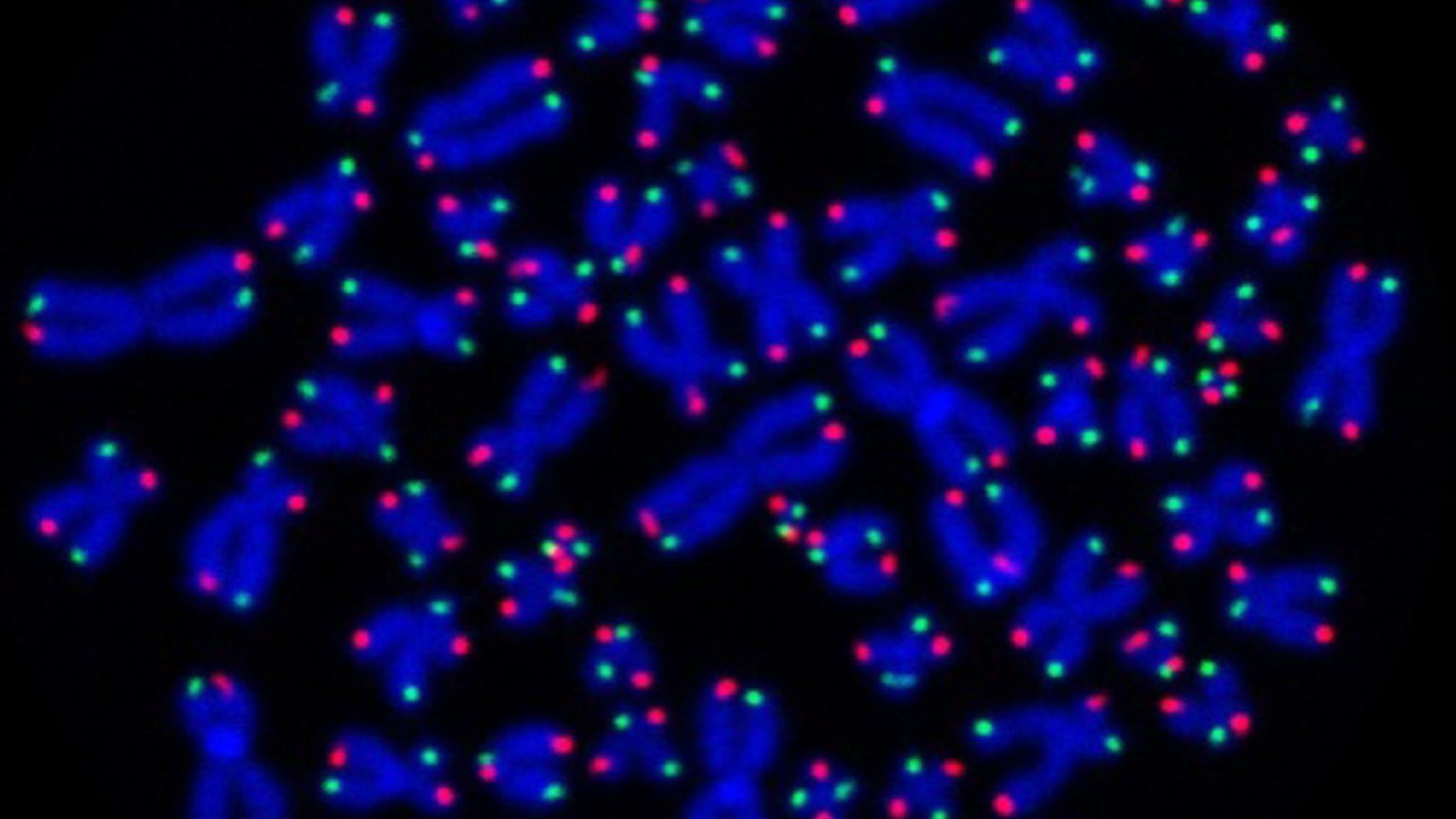
Research Interests: Dr. Lingner's work centers on the molecular mechanisms of telomere maintenance, particularly the role of telomerase and the long noncoding RNA TERRA. His lab investigates how telomeres protect chromosome ends, regulate cellular lifespan, and respond to oxidative stress. They study the telomeric proteome using advanced techniques like QTIP (Quantitative Telomeric chromatin Isolation Protocol) and explore the interplay between telomeric R-loops, DNA repair, and replication. Key areas include telomerase regulation, oxidative damage protection via PRDX1 and MTH1, and chromatin remodeling during aging and disease.
Scientific Trends from Publications: His recent work (2019–2025) shows a strong focus on TERRA-mediated regulation, R-loop dynamics, oxidative stress responses, and the proteomic characterization of telomeres during replication and damage. There is increasing integration of biochemical, cell biological, and proteomic approaches to dissect telomere function in both normal and pathological states, particularly in cancer and aging.
- START-fellowship from the Swiss National Science Foundation (1997)
- Friedrich Miescher prize (2002)
- ERC advanced investigator award (2008)
- Elected member of EMBO (2005)
- Elected member of Academia Europaea (2020)
Advising and Grants: Dr. Lingner has supervised over 14 PhD students and continues to mentor postdoctoral researchers and students at EPFL. His lab has been supported by major grants, including an ERC Advanced Investigator Award and SNSF funding. He actively recruits motivated candidates for postdoctoral and student projects related to telomere biology.
Labs and Teams: He leads the Lingner Lab at EPFL, which is part of ISREC and focuses on telomere chromatin, oxidative damage, and replication. The lab employs a multidisciplinary approach combining mass spectrometry, biochemistry, cell biology, and molecular genetics. Key collaborators include researchers in DNA repair, chromatin, and cancer biology at EPFL and beyond.