Jezabeth Roca Gonzàlez
استاد مدعو · Multidisciplinary Art
Pennsylvania College of Art and Designمعرفی
Jezabeth Roca Gonzàlez is an Adjunct Instructor in the Photography & Video program at the Philadelphia College of Art and Design (PCA&D), and also serves as an Instructor of Record in the Film & Video Department at the Maryland Institute College of Art (MICA). Their artistic and educational practice bridges multimedia installation, video, and conceptual inquiry into identity, migration, and colonialism.
Research and Artistic Interests:
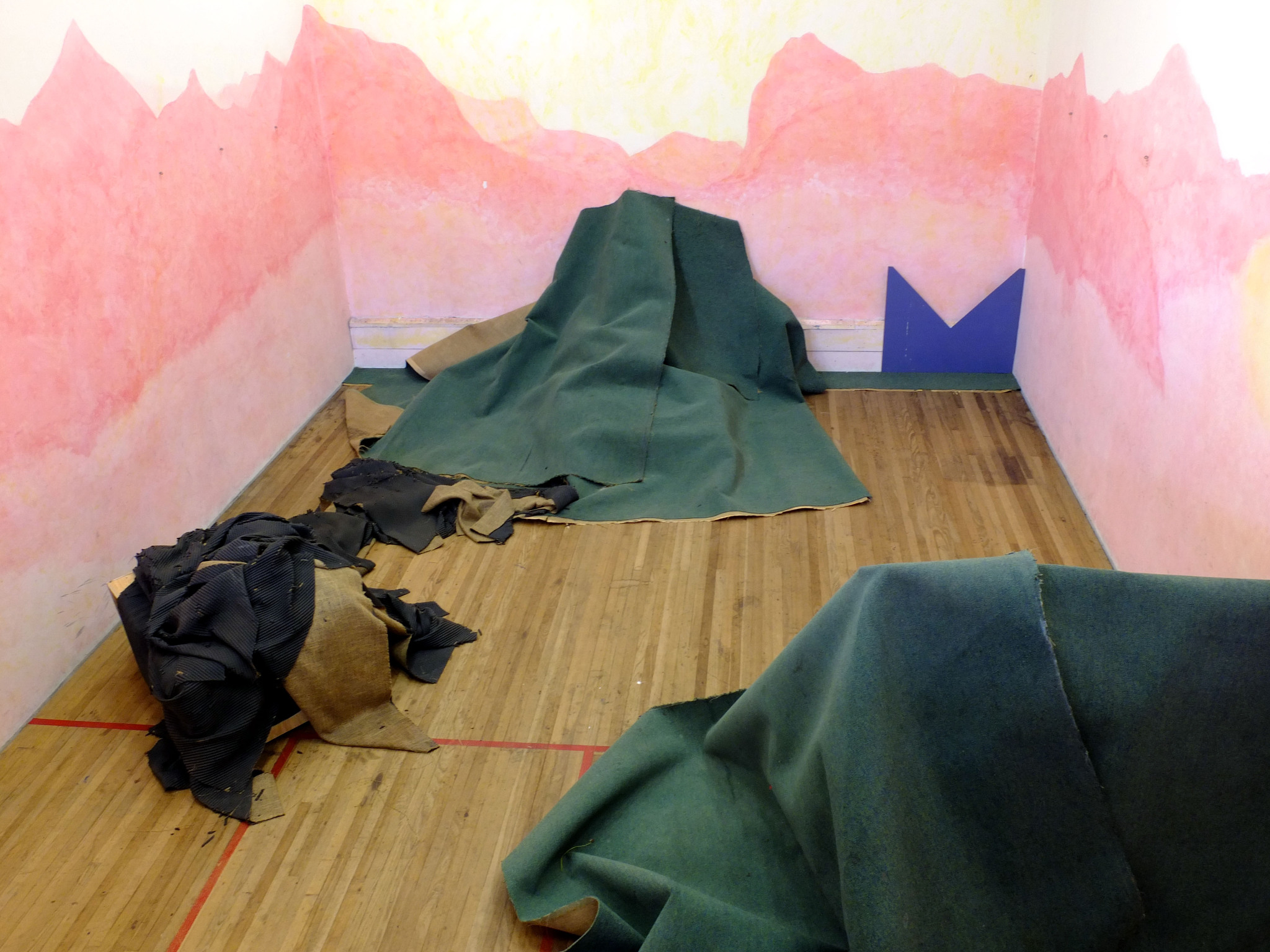
Jezabeth's work explores the intimacy of place and the migratory patterns between the U.S. and Puerto Rico—known as El Va y Ven—through autobiographical and speculative methods. Their installations incorporate video, soil, and plants to investigate generational differences, altered landscapes, and the aesthetics of care. They critically engage with colonial legacies, queer (cuir) identity as abstraction, and the duality of everyday life, constructing parallel realms that challenge normative narratives.
Exhibitions and Residencies:
Jezabeth has been awarded residencies at prestigious institutions including the Banff Centre for the Arts, Bemis Centre for Contemporary Arts, and Feminist Art Collective Artscape. Their work has been exhibited internationally at venues such as Taller Comunidad La Goyco (San Juan), Temple Contemporary (Philadelphia), Documenta Fifteen (Kassel, Germany) as part of Video Caribx, and the Hessel Museum of Art at CCS Bard College (New York).
Honors and Recognition:
- University of the Arts iLAB Residency
- Banff Centre for the Arts Residency
- Bemis Centre for Contemporary Arts Residency
- Feminist Art Collective Artscape Residency
Advising and Grants:
While no formal advisees are listed, Jezabeth’s role as an educator at both PCA&D and MICA indicates active mentorship in visual arts and film. Their residency awards reflect competitive grant funding and institutional support for their creative research.
Artistic Practice and Collaborative Work:
Jezabeth works collaboratively with their family, generating visual records of familial dynamics and cultural memory. Their practice merges the personal with the political, using multimedia installations to question how history, displacement, and identity shape lived experience.