معرفی
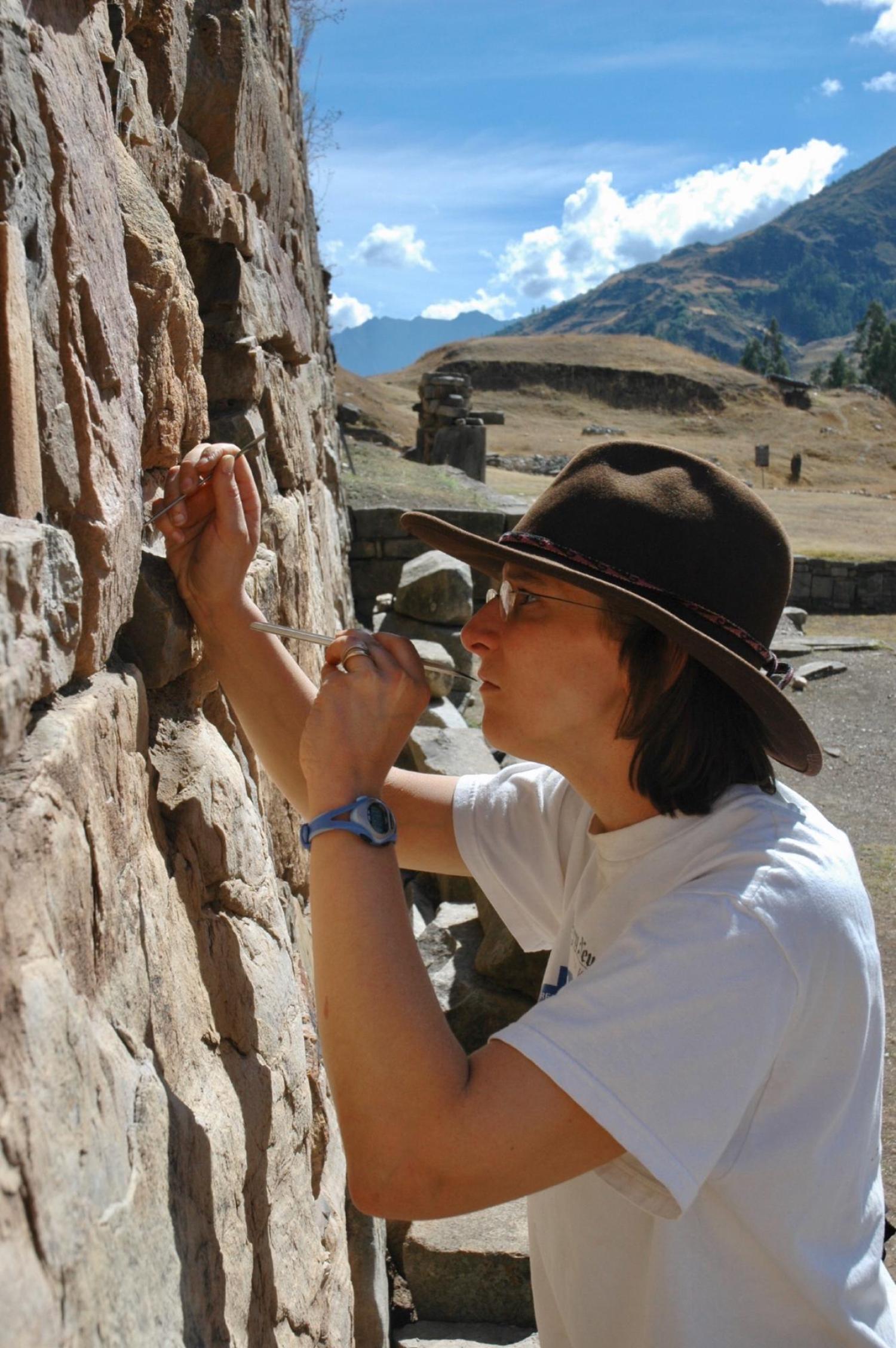
Jason S. Nesbitt is an Associate Professor of Anthropology in Tulane University's School of Liberal Arts and a core faculty member at the Stone Center for Latin American Studies. His research focuses on Andean and Amazonian archaeology, specializing in early complex societies, monumental architecture, and cultural interactions across South America.
Dr. Nesbitt holds the following academic degrees:
- Ph.D. in Anthropology from Yale University (2012)
- M.Phil. in Anthropology from Yale University (2007)
- M.A. in Anthropology from Trent University (2003)
- B.A. in Archaeology from Simon Fraser University (2000)
His research spans early complex polities, urbanism, and monumental architecture in the Andes and Upper Amazon, examining archaeological theory, cultural interactions, and human-environment relationships through ceramic analysis and archaeometry. Methodological innovation drives his investigations of ancient societal development.
Dr. Nesbitt's recent publications (2020-2023) reveal interdisciplinary integration of archaeology with genetics, environmental science, and chronology. His work explores ancient diets, agricultural systems, and genetic histories, emphasizing cultural connections between Andean highlands and Amazonian lowlands through edited volumes and collaborative studies.
Dr. Nesbitt has received the following distinction:
- BOR Targeted Enhancement Research Grant (2020-2021) for Modernizing Methods to Study the Ancient Past: Enhancing the Research Potential of the Center for Archaeology
Research support includes:
- BOR Targeted Enhancement Research Grant (2020-2021)
- Chavín Hinterlands Project (Ancash, Peru, 2014-present)
- Campanayuq Rumi Project (Ayacucho, Peru, 2013-present)
- Principal investigator for Caballo Muerto Complex excavations (Peru, 2007-2008)
He maintains active collaborations with Universidad Nacional de Trujillo's archaeology program and the American Museum of Natural History, leading multidisciplinary teams in Peru to investigate ancient Andean and Amazonian civilizations through fieldwork and material analysis.