معرفی
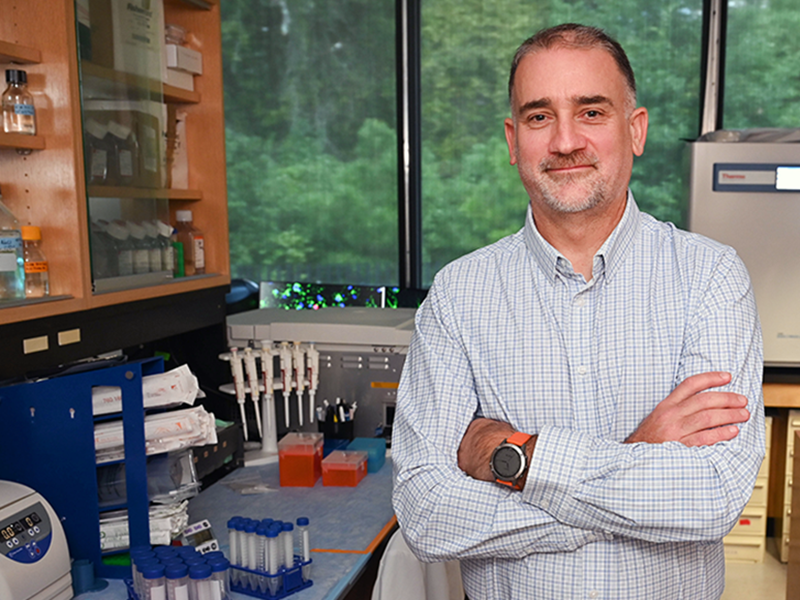
Jason Michael Brenchley is a Senior Research Professor at the National Institutes of Health (NIH), serving as Senior Investigator in the Immunopathogenesis Section of the Laboratory of Molecular Microbiology within the National Institute of Allergy and Infectious Diseases (NIAID). His research focuses on HIV pathogenesis through T-cell immunology and nonhuman primate models to develop novel therapeutic approaches.
His educational background includes:
- Master's degree from Idaho State University (1999)
- Ph.D. from University of Texas Southwestern Medical Center at Dallas (2003)
Dr. Brenchley's research centers on mechanisms of HIV disease progression, with key emphases on:
- CD4 downregulation in natural SIV hosts (e.g., African green monkeys)
- Microbial translocation due to gastrointestinal barrier damage
- Role of IL-17/IL-22-producing lymphocytes in epithelial integrity
- Probiotic interventions for CD4 T-cell reconstitution during antiretroviral therapy
Analysis of his publications (2010-2023) reveals sustained focus on gut-immune axis dynamics in HIV/SIV. Recent studies (2023) examine bacterial dysbiosis in SIV acquisition, while foundational work established microbial translocation as a driver of immune activation. This trajectory demonstrates translational research bridging molecular mechanisms to clinical interventions for residual inflammation in treated HIV.
Scientific Awards:
- No specific awards listed in the provided text
As Senior Investigator, Dr. Brenchley leads NIH intramural-funded research with core support for his laboratory. His mentorship includes postdoctoral fellows and technicians, evidenced by collaborative publications across immunology and virology. While individual grants aren't specified, his position indicates sustained institutional funding for pathogenesis research.
The Immunopathogenesis Section operates advanced facilities for mucosal immunology, utilizing nonhuman primate models and molecular techniques to study host-pathogen interactions. Dr. Brenchley collaborates extensively within NIAID on projects spanning virology, microbiology, and infectious diseases.