معرفی
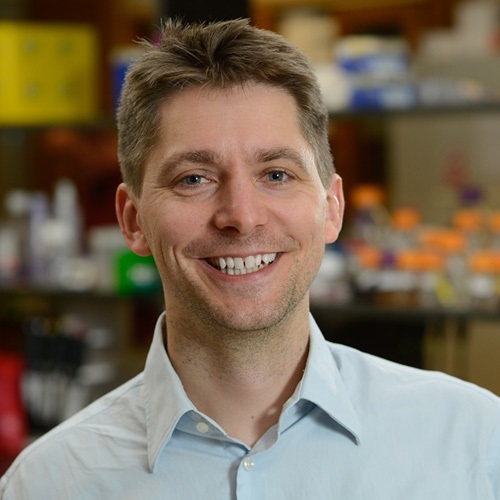
Jason Kwan is an Associate Professor at the School of Pharmacy, University of Wisconsin–Madison, where he leads the Kwan Lab. His research integrates microbiology, genomics, and bioinformatics to explore the production of bioactive small molecules by bacteria, especially uncultured and symbiotic species. He is actively involved in drug discovery through environmental microbial sources.
Education:
- Ph.D., University of Florida (2005–2010), advised by Hendrik Luesch
- MPharm, University of Bath (2004)
- Postdoc, University of Utah (2010–2013), Eric Schmidt Lab
- B.S., Bacteriology, University of Wisconsin–Madison
His research focuses on overcoming the limitations of traditional culturing methods by using culture-independent metagenomic sequencing to uncover the biosynthetic potential of microbial communities. He investigates how small molecules are regulated in both uncultured symbionts and culturable strains, applying synthetic biology and bioinformatics to mine novel compounds. A key contribution is the development of the Autometa pipeline for automated genome binning from complex metagenomes.
His recent publications reflect a strong trend in computational microbiology, particularly in genome binning, taxonomic classification, and functional annotation of microbial dark matter. These works emphasize algorithm development, pipeline optimization, and applications in host-associated and environmental microbiomes.
Scientific Awards and Funding:
- NIH NIGMS R35 Grant: Development of metagenomic binning algorithms
- NSF CAREER Award
Dr. Kwan advises multiple Ph.D. students and postdoctoral researchers in pharmaceutical sciences, microbiology, and biophysics. His lab has produced several open-source software tools, including Autometa and Automappa, which are widely used in the metagenomics community. He has mentored former lab members now at institutions such as UCSF, Lodo Therapeutics, and Zymergen Inc.
Labs and Teams: The Kwan Lab is an interdisciplinary team combining expertise in molecular biology, bioinformatics, and natural products chemistry. The lab actively develops computational workflows and collaborates on projects involving marine invertebrates, insect symbionts, and soil microbiomes.