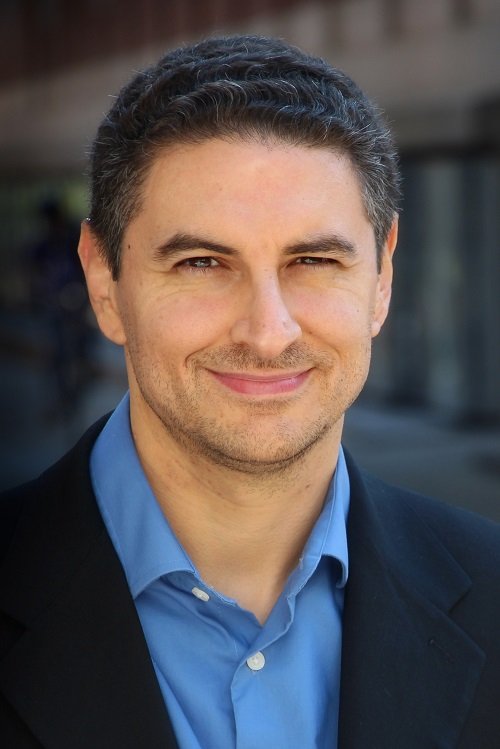
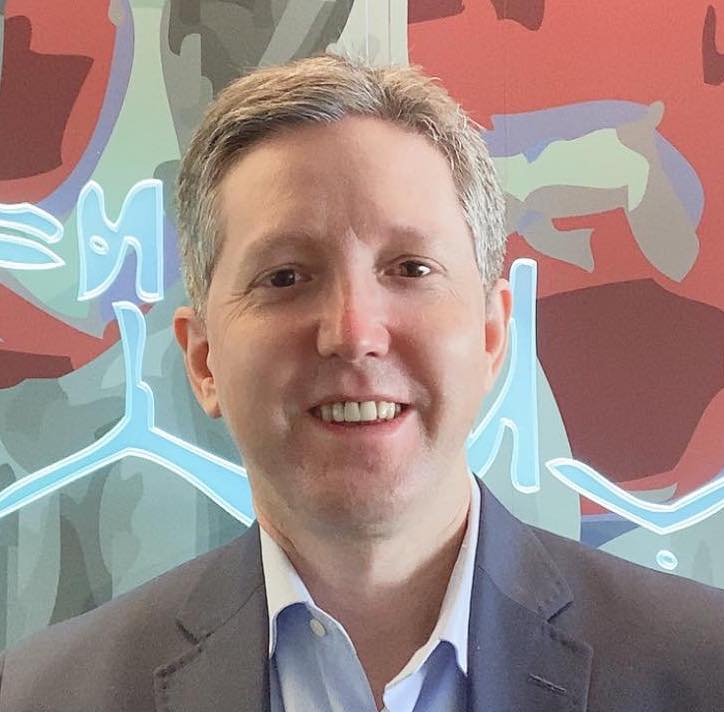
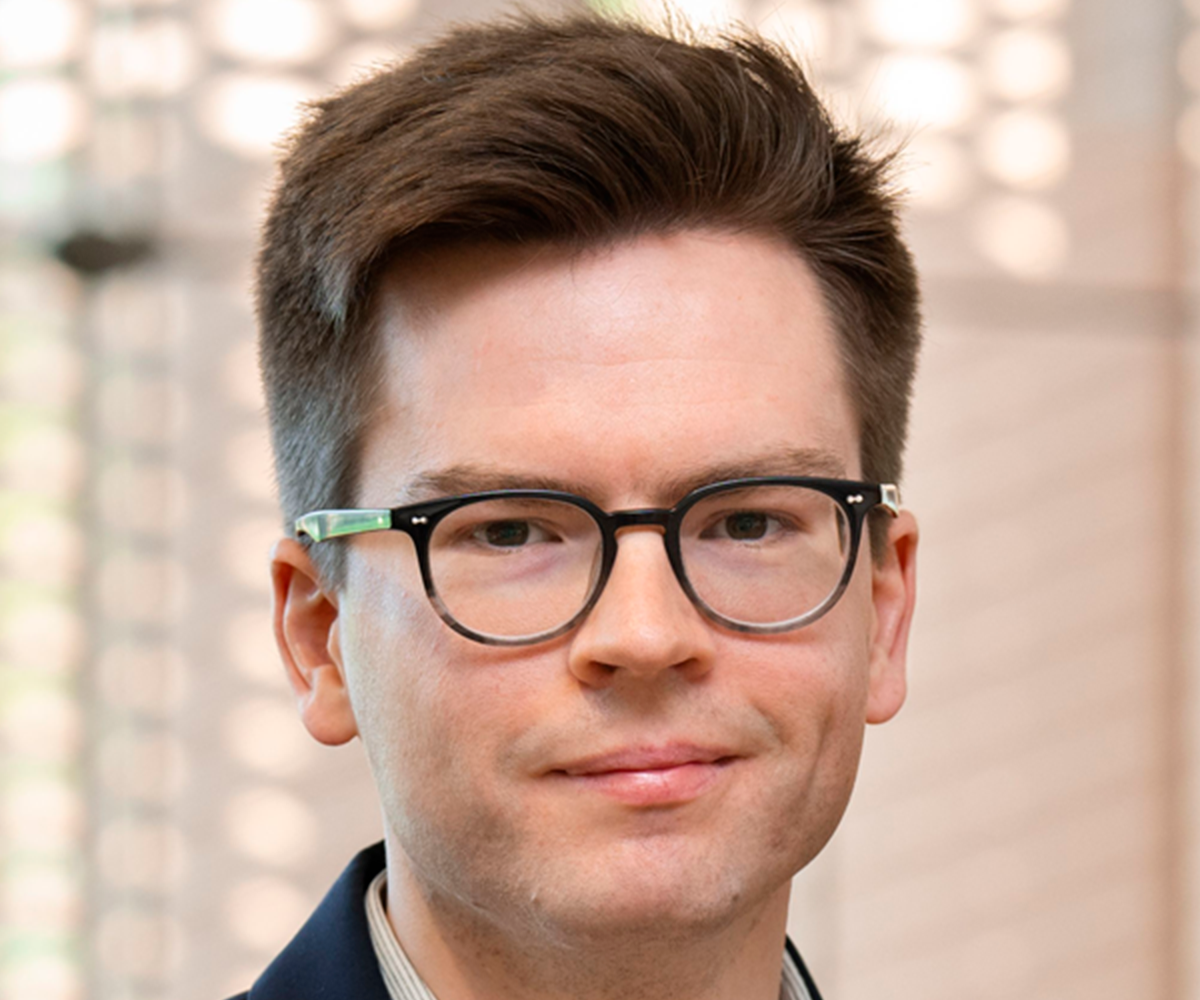
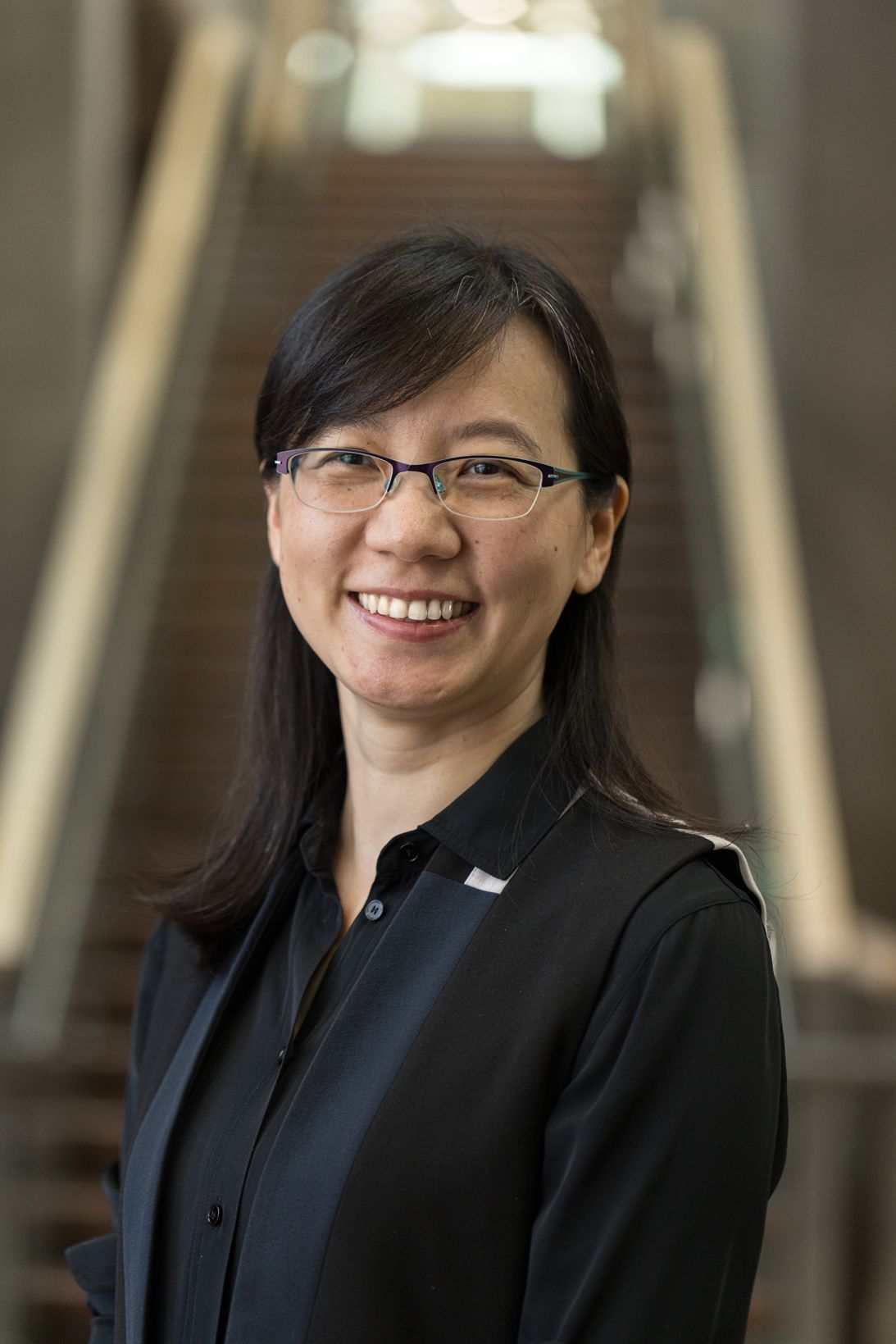
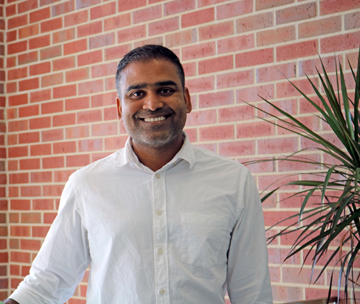
Michael McAlpine is a Professor in the Mechanical Engineering department at the University of Minnesota . He also holds affiliations with the Biomedical Engineering and Electrical and Computer Engineering departments. His research focuses on 3D printing functional materials & devices , Nanoscale inks , Biomedical devices , Bioelectronics , and Flexible Microsystems . Research Interests : 3D Printing, Biomedical Engineering, Nanotechnology, Flexible Electronics, Microfluidics Labs : ME 361/363 Contact : mcalpine@umn.edu , (612) 626-3303, ME 117 Recent Research Trends include 3D Printed Biomedical Devices , Flexible Electronics , and Bioprinting Applications . His work spans from Spinal Organoid Formation to Programmable Drug Release Capsules . Scientific Award : Circulation Research 2020 Best Manuscript Award
Eric W. Schmidt is a Distinguished Professor of Medicinal Chemistry at the University of Utah, with adjunct appointments in Biological Sciences and Chemistry. His research focuses on natural products chemistry, biosynthesis, synthetic biology, and pharmaceutical applications of marine animal microbiomes. University of California, San Diego (BS, PhD) Research areas include: Biosynthesis in animals and their microbiomes Synthetic biology approaches to chemical engineering Drug design from marine natural products Metagenomic analysis of symbiotic relationships Neuroactive compound discovery Antibiotic development against resistant pathogens His lab has pioneered methods for: Biosynthetic gene cluster identification Heterologous expression in E. coli Enzymatic modification of peptides Chemical analysis of marine invertebrates Recent publications highlight discoveries in: Marine animal chemical defense mechanisms Evolution of biosynthetic pathways Antibiotic resistance profiling Ionic channel-targeting compounds Peptide macrocyclization techniques Lipid-polyketide biosynthesis continuum Email: ews1@utah.edu Honors include: Distinguished Professor recognition
Francesca Grisoni serves as an Assistant Professor in the Department of Biomedical Engineering at Eindhoven University of Technology (TU/e), where she currently leads the Molecular Machine Learning team. She additionally holds appointments as an ICMS Core member and Associate Professor at EAISI (Eindhoven Artificial Intelligence Systems Institute), reflecting her cross-disciplinary role at the intersection of computational science and biomedical applications. Academic Background : Grisoni completed her Environmental Sciences degree and earned a Ph.D. in 2016 from the University of Milano-Bicocca, where her dissertation focused on interpretable machine learning for molecular property prediction. During doctoral studies, she conducted research at ETH Zurich's Department of Chemistry and Applied Biosciences and the U.S. EPA's National Center for Computational Toxicology. Ph.D., University of Milano-Bicocca, 2016 (Dissertation: Interpretable machine learning for molecular property prediction) Environmental Sciences, University of Milano-Bicocca Her research integrates artificial intelligence, chemistry, and biology to develop computational methods for drug discovery, emphasizing wet-lab experimental validation alongside algorithmic innovation. Key focus areas include overcoming activity cliffs in molecular machine learning, generative modeling for scaffold hopping, and AI-augmented decision-making in therapeutic development, with the ultimate goal of achieving 'better decisions faster' in drug discovery pipelines. Analysis of her recent 2025 publications reveals a concentrated trend toward chemical language models and generative deep learning frameworks, specifically addressing low-data drug discovery challenges through active learning and neural network architectures. These works bridge computer science with pharmacology, targeting bioactivity prediction, molecular representation, and enzyme design while maintaining strong ties to experimental validation. Scientific Awards : Lush Young Researcher Prize Early Career Award 2022 from the Dutch Royal Netherlands Academy of Arts and Sciences (KNAW) ERC Starting Grant (2022) Grants and Supervision : Dr. Grisoni secured the prestigious ERC Starting Grant in 2022 to advance her molecular machine learning research. Institutional records indicate she has supervised 7 students (as shown in TU/e's 'Supervised Work (7)' repository section), though specific names aren't provided in the source material. Her group maintains active industry collaborations, including past engagement with Bracco Pharmaceuticals. Laboratory and Team : The Molecular Machine Learning team operates under the ICMS and EAISI frameworks, merging computational AI development with experimental wet-lab validation. This collaborative unit focuses on fragment-based molecular design, chirality representation (evidenced by fragSMILES work), and high-throughput nanoparticle identification using machine learning, as highlighted in recent press coverage and datasets.
Associate Professor Nikolas Fokialakis is affiliated with the Department of Pharmacy at the National and Kapodistrian University of Athens, specifically within the Section of Pharmacognosy and Chemistry of Natural Products. His academic journey includes a PhD in Pharmacognosy, postdoctoral research at the USDA, and advanced degrees in Pharmacognosy and Pharmacy. His research focuses on natural products from plants, microorganisms, and marine organisms, with emphasis on anti-aging compounds, cosmeceuticals, and bioactive molecule discovery. Notable awards include the Arthur Neish Award (2010) and the ASP Award (2006). He holds editorial roles in international societies and has contributed to over 150 publications. His work integrates biotechnology for sustainable production of bioactive agents and explores microbial biodiversity for drug leads. Teaching responsibilities include courses in Pharmacognosy, Biotechnology, and Pharmaceutical Analysis. Education Highlights: PhD in Pharmacognosy (University of Athens, 2004) Postdoc at USDA Natural Products Lab Postgraduate Diploma in Pharmacognosy (2000) Pharmacy Degree (University of Athens, 1998) Research Interests: Isolation of bioactive small molecules from terrestrial and marine sources Anti-aging mechanisms targeting proteostasis Cosmeceutical development using microbial metabolites Phytochemical analysis of Mediterranean plants Publications Trends: Recent work emphasizes marine microbiota for anti-aging agents, pyrrolizidine alkaloid profiling, and sustainable bioengineering of microbes for industrial metabolites. Over 150 indexed articles demonstrate cross-disciplinary impact in natural products research. Awards: 2011-2019: Board Member, Society for Medicinal Plant Research ANR Research Committee (2015-2018) OECD Scholarship (2005-2006) Advising & Grants: Active in mentoring graduate students in natural products and biotechnology projects. Leads EU-funded initiatives on microbial diversity exploitation. Collaborates internationally on marine invertebrate chemistry and cosmeceutical development. Labs/Teams: Coordinates the Pharmacognosy and Natural Products Chemistry lab at University of Athens, focusing on metabolomics and bioactive compound discovery pipelines.
Professor Steven V. Ley leads the Yusuf Hamied Department of Chemistry at the University of Cambridge, focusing on transformative research in flow chemistry, organic synthesis, and green chemistry. His work emphasizes sustainable methodologies and the integration of advanced technologies like microcontrollers and automation to revolutionize chemical processes. In 2018, he received the prestigious Arthur C. Cope Award—the first UK-based recipient—recognizing groundbreaking contributions to organic chemistry. Research interests include developing continuous flow systems for hazardous reaction management, immobilized reagents, and machine-assisted synthesis. Collaborations span academia and industry, notably through spin-off company New Path Molecular , which applies cutting-edge synthesis techniques to pharmaceuticals and agrochemicals. Key publications highlight innovations in flow chemistry applications, sustainable process design, and automation. His work bridges chemistry with engineering, aiming to address global challenges in resource efficiency and environmental impact. Awards: Arthur C. Cope Award (2018) Lab/Teams: Active research group at the University of Cambridge; collaborates with New Path Molecular on commercial applications.
Prof. Dr. Norbert Sewald, Chair of Organic and Bioorganic Chemistry at Bielefeld University, is a leading figure in Bioorganic Chemistry , Chemical Biology , and Enzymatic Halogenation . As head of the Organic and Bioorganic Chemistry Group at the Center for Biotechnology (CeBiTec), he drives research on natural products and drug conjugates. Full Professor, Bielefeld University (since 1999) Founding Coordinator, International Graduate School of Chemistry and Biochemistry (2001-2003) Chairman, Institute of Biochemistry and Bioengineering at CeBiTec (2006-2008) Dean, Department of Chemistry (2008-2011) Chairman, Max-Bergmann-Kreis e.V. (since 2010) Coordinator, Marie Skłodowska-Curie Training Networks (MAGICBULLET, 2015-2018; Magicbullet::reloaded, 2020-2023) His research focuses on halogenases for mild peptide bromination, cryptophycin-based tumor targeting , and bioactive natural products from African flora. Collaborative projects span antiplasmodial agents , antibacterial compounds , and neurodegenerative disease inhibitors . Recent work highlights include: Enzymatic halogenation cascades Click-to-release drug conjugates Fluorescent probes for amyloid detection Key affiliations: Faculty of Chemistry Center for Biotechnology (CeBiTec) European Peptide Society (Scientific Affairs Officer, 2016-) Leibniz Institute of Plant Biochemistry (Scientific Advisory Board, 2010-2017)
Michael Skinnider serves as Assistant Professor at Princeton University's Lewis-Sigler Institute for Integrative Genomics and Assistant Member of the Ludwig Princeton Branch. His research develops AI-driven computational methods to identify unknown small molecules in mass spectrometry data, with applications in cancer biology and forensic drug detection. His educational background includes: BArtsSc from McMaster University (2015) PhD from University of British Columbia (2021) MD from University of British Columbia (2023) Skinnider's work centers on illuminating the "metabolomic dark matter" —unidentified chemical entities in mass spectrometry data. His lab pioneers machine learning approaches for metabolite identification, focusing on connections between unknown metabolites, cancer risk, and the microbiome. Recent innovations include chemical language models that transform mass spectrometry outputs into chemical structures, with applications spanning cancer diagnostics to forensic analysis of designer drugs. His research bridges computational biology, chemistry, and clinical medicine through low-data learning techniques. Publication trends reveal three dominant themes: (1) AI-driven metabolite identification (25% of recent work), (2) single-cell/spatial data analysis (40%), and (3) molecular interaction networks (35%). His 2024 Nature Machine Intelligence paper demonstrated that invalid SMILES strings enhance chemical language models , overturning previous assumptions. Articles consistently apply computational methods to biological discovery, with growing emphasis on cancer metabolism and translational applications. Major recognitions include: Forbes 30 Under 30 (2022) International Birnstiel Award (2022) Dan David Prize Borealis AI Fellowship NIH Award C&EN's Talented Twelve (2023) Young Explorer Award Grand Prize Skinnider leads the Skinnider Research Lab at Princeton's Carl Icahn Laboratory, which collaborates with forensic laboratories and Ludwig cancer researchers. The lab specializes in transforming mass spectrometry data into biological insights through innovative algorithms. During his undergraduate studies, he co-founded Adapsyn Bioscience to translate natural product discovery research into commercial applications. Current projects include developing metabolome-wide identification tools and exploring diet-derived metabolites that modulate cancer progression.
Derek S. Tan is a Professor in the Department of Biochemistry and Biophysics at Weill Cornell Medical College, holding a Tri-Institutional Professor position effective from 2025. His research integrates chemical synthesis with biological applications, focusing on drug discovery, enzyme mechanisms, and therapeutic engineering. He maintains an active research program with continuous NIH funding. Education: Ph.D., Harvard University (2000) B.S., Stanford University (1995) Research Focus: Professor Tan's work spans chemical biology, medicinal chemistry, and microbiology. He designs bioactive molecules targeting bacterial permeability, enzyme inhibition, and cellular therapeutics. Key areas include ubiquitin pathway biochemistry, antibiotic development against Mycobacterium tuberculosis and Plasmodium falciparum , and engineered T-cell therapies for cancer. His interdisciplinary approach bridges synthetic chemistry with translational applications. Publication Trends: Recent articles (2021-2024) demonstrate three primary themes: 1) Development of mechanistic probes for enzyme systems (ubiquitin pathway, aminoacyl-tRNA synthetases), 2) Antibacterial/antiparasitic agent design leveraging bacterial permeability studies, and 3) Cellular engineering strategies including CAR-T micropharmacies for targeted drug activation. The work consistently combines synthetic chemistry innovation with biological validation. Grants: As Principal Investigator of the Tri-institutional PhD Program in Chemical Biology (NIH/NIGMS funded), he leads initiatives spanning 2020-2025 and 2025-2030. This underscores sustained commitment to interdisciplinary training at the chemistry-biology interface.
Michelle Farkas is an Associate Professor in the Department of Chemistry at the University of Massachusetts Amherst. Her work bridges chemical biology, synthetic chemistry, and cancer biology to develop molecular tools for studying circadian rhythms and macrophage phenotypes in oncology contexts. Affiliated with the Graduate Program in Molecular & Cellular Biology Faculty member at the Center for Bioactive Delivery and Models to Medicine within the Institute for Applied Life Sciences Research focuses on: Designing reporters and modulators for circadian rhythms in cancer models Engineering macrophages for anti-cancer polarization and targeted delivery Developing chemically modified cells and nanozymes for therapeutic/diagnostic applications Scientific contributions include chemical modulation of circadian clocks, bioorthogonal nanozyme systems, and novel cell-based delivery platforms. Her recent publications highlight interdisciplinary approaches combining synthetic chemistry with cancer immunology. DOD-BCRP Postdoctoral Fellow Current projects aim to translate molecular tools into clinical diagnostics and therapies, leveraging collaborations across chemistry, biology, and medicine.
Qiu Wang is a Professor of Chemistry at Duke University, where he leads an active research program at the chemistry-biology interface. He holds dual appointments as a Member of the Duke Cancer Institute and Faculty Network Member of the Duke Institute for Brain Sciences, reflecting his interdisciplinary work targeting cancer and neurodegenerative disorders through chemical approaches. His educational foundation includes a B.S. from Wuhan University (China, 1999), Ph.D. from Emory University (2005), and dual postdoctoral fellowships at Harvard University (2005-2007 and 2007-2011) in Chemistry. This rigorous training established his expertise in synthetic methodology and biological applications. Wang's research program focuses on three synergistic pillars: developing bioactive small-molecule probes for disease mechanisms, targeting epigenetic enzymes for novel therapeutics, and creating chemical tools for biomolecule labeling. His group integrates synthetic organic chemistry with molecular/cell biology, genetics, and proteomics to address challenges in cancer and neurodegeneration, emphasizing copper-catalyzed reactions and hyperpolarized imaging technologies. Analysis of his recent publications reveals dominant themes in copper-catalyzed alkene/diene difunctionalization for complex molecule synthesis and the development of $^{15}$N-hyperpolarized MRI probes for metabolic imaging. These works bridge fundamental methodology with biological applications, particularly in cancer metabolism and neurological disorders. His scientific recognition includes: Sloan Research Fellowship (2016) NSF CAREER Award (2015) Wang directs multiple major grants including the Pharmacological Sciences Training Program (2025-2030), New Amination Methods (2025-2030), and hyperpolarized MRI agent development (2025-2027). His Wang Group collaborates extensively across Duke's institutes, developing chemical probes that enable new biological insights and therapeutic strategies for challenging diseases.
Wei Shi is an Associate Professor of Chemistry (Organic) at Ball State University’s College of Sciences and Humanities, Department of Chemistry. He joined the institution in 2019, specializing in teaching Organic Chemistry and conducting research in Medicinal Chemistry, Chemical Biology, and Organic Synthesis. His research focuses on designing chemical probes derived from natural products to understand small molecule regulation of macro-biomolecules for disease treatment. Education: B.Sc. in Electrochemistry from Shanghai Jiao Tong University (China), M.Sc. in Bioorganic Chemistry from East China University of Science & Technology (China), Ph.D. in Chemistry from the University of Alberta (Canada), and postdoctoral training at Johns Hopkins School of Medicine (USA). Research Interests: Explores the pharmaceutical potential of bioactive natural products, particularly glycoconjugates, aiming to design novel drug candidates with enhanced therapeutic profiles. Key projects include studying ipomoeassin F’s mechanism of action as an ER translocon inhibitor and developing itraconazole analogs for antiangiogenic and anticancer applications. Selected Publications: Over 20 peer-reviewed articles, including landmark studies on ipomoeassin F’s Sec61α binding, itraconazole’s dual targeting of NPC1/VDAC1, and structural analog design. Recent work highlights Sec61 translocon inhibition mechanisms in Mycobacterium ulcerans pathogenesis and ER stress response modulation in cancer cells. Labs/Teams: Director of the Shi Research Group , focusing on natural product-inspired drug discovery and chemical biology.
Dr. Gajender Aleti serves as an Assistant Professor in the Department of Agricultural and Environmental Sciences within the College of Agriculture at Tennessee State University (TSU), having joined the institution in August 2022. His academic appointment bridges agricultural sciences, environmental health, and biomedical research through interdisciplinary microbiome studies. His educational credentials include a PhD in Microbial Ecology from the Austrian Institute of Technology & The University of Natural Resources and Life Sciences, Vienna; an MSc in Bioinformatics from the University of Abertay Dundee; an MSc in Biotechnology from Osmania University, India; and a BSc in Botany, Zoology, and Chemistry from Osmania University. Dr. Aleti's research program investigates critical interactions between diet, the gut microbiome, and host health, with three core pillars: Understanding diet-microbiome-gut health interactions Characterizing bioactive small molecules produced by gut microbiota Elucidating gut microbiome-nervous system communication (Gut-Brain Axis) Analysis of his 15 recent publications (2016-2022) reveals a strong translational focus spanning human health contexts (salivary/gut microbiomes in depression, obesity, OCD, and oral cancer) and agricultural applications (rhizosphere microbiomes, bioremediation). His work predominantly employs mass spectrometry-based metabolomics and genomic data mining within large collaborative frameworks, demonstrating methodological innovation in multi-omics integration. While no specific scientific awards are documented in the provided materials, his publication record in journals like Nature Communications , Nature Methods , and BMC Microbiology reflects significant scholarly impact. His research is supported by active grants enabling investigations into microbiome-host dynamics across diverse physiological systems. Dr. Aleti actively mentors graduate researchers within TSU's Department of Agricultural and Environmental Sciences, contributing to the university's research infrastructure through laboratory-based investigations of microbial community dynamics and molecular mechanisms in health and disease contexts.
Dr Fernanda Cardoso is a Senior Research Fellow at the Institute for Molecular Bioscience, University of Queensland. She holds dual Brazilian-Australian citizenship and specializes in venom peptide-based biodiscovery and therapeutics development for neurological disorders such as chronic pain, motor neuron disease (MND), and irritable bowel syndrome (IBS). Her interdisciplinary expertise spans neuropharmacology, medicinal chemistry, and drug discovery. Education: Bachelor's, Universidade Federal de Minas Gerais (UFMG) MSc in Molecular Pharmacology, UFMG PhD in Biochemistry and Immunology, UFMG Research Interests: Mechanisms and therapies for chronic pain/visceral pain/IBS Neurodegeneration pathophysiology and drug development Venom pharmacology of spiders, cone snails, and snakes Structure-function relationships of venom peptides Voltage-gated ion channel modulation Grants & Projects: Current: Peptide Inhibitors Targeting Sodium Channels (2023-2026) Past: Multifunctional analgesic inhibitors (2020-2023), IBS pain therapies (2018-2019) Supervision: Recently advised 14 students on projects including ALS therapies, venom peptide characterization, and ion channel modulation. Current openings focus on venom bioactives and neurological disorder treatments. Achievements: Pioneered venom-based ion channel modulator discovery, identified neuroprotective venom peptides, and developed a schistosomiasis vaccine candidate. Her work bridges basic research with clinical applications for global health challenges.
Robert N. Ben is a Full Professor in the Department of Chemistry and Biomolecular Sciences at the University of Ottawa. His research focuses on organic and bioorganic chemistry, particularly the development of small-molecule ice recrystallization inhibitors (IRIs) for improving cryopreservation techniques. These inhibitors enhance the viability of cells, tissues, and biological systems during freezing and thawing processes, with applications in regenerative medicine, stem cell therapy, and biomedical engineering. He holds a B.Sc. from Laurentian University (1990) and a Ph.D. from the University of Ottawa (1994). His work bridges synthetic chemistry and biological applications, aiming to design cryoprotectants with enhanced stability and activity for medical and industrial uses. Key research areas include asymmetric synthesis of bioactive compounds, carbohydrate chemistry, and glycoprotein design. Ben’s lab investigates the structure-activity relationships of IRIs, their mechanisms of action, and their utility in preserving diverse biological materials, including red blood cells, stem cells, and tissues. His contributions have advanced understanding of how small molecules mitigate ice crystal growth, reducing cryopreservation damage in cellular therapies and organ preservation. Despite no listed awards, his prolific research output (over 50 publications from 2013–2024) highlights his leadership in cryopreservation science. He advises students in synthetic and bioorganic chemistry but no specific advisees are named in the provided texts. Current projects emphasize translating IRI-based technologies into clinical applications, such as improving platelet and cord blood storage.
Mohamed S. Donia is an Associate Professor in the Department of Molecular Biology at Princeton University, where he leads the Donia Lab. His research focuses on small-molecule-mediated interactions within complex microbial communities and between microbes and their hosts, spanning human microbiome and marine symbiosis systems. B.Sc., Pharmacy, Suez Canal University, Egypt Ph.D., Medicinal Chemistry, University of Utah Postdoctoral Training, University of California, San Francisco Dr. Donia’s research lies at the intersection of microbiology, molecular biology, biochemistry, and computational biology. His lab investigates how small molecules mediate microbe-microbe and microbe-host interactions, particularly in the human gut and marine invertebrates. A key focus is on the role of the microbiome in drug metabolism and the discovery of novel bioactive compounds from uncultivable microbes using metagenomics and multi-omics approaches. The recent publications of the Donia Lab reveal a strong trend in microbiome-derived small molecule discovery, host-microbe interactions, and drug metabolism. The work spans human microbiome drug interactions , marine symbiotic chemistry , computational mining of biosynthetic gene clusters , and ecological modeling of microbial systems . These studies frequently appear in top-tier journals such as Cell , Science , and Nature , reflecting the high impact of the research. Scientific honors include: NIH Director’s New Innovator Award Kenneth Rainin Foundation Breakthrough Award Kenneth Rainin Foundation Innovation Award Pew Biomedical Scholar Dr. Donia actively mentors a diverse group of postdoctoral researchers, graduate students (including MD/PhD candidates), and undergraduates. His lab has received research funding from NIH and other agencies, enabling high-throughput, interdisciplinary studies. He is also a member of the Scientific Advisory Board for Deepbiome Therapeutics, indicating translational applications of his work. The Donia Lab operates as an interdisciplinary research team integrating experimental and computational methods. It maintains strong collaborations and develops tools like MetaBGC for metagenomic analysis of biosynthetic gene clusters. The lab culture emphasizes diversity, innovation, and scientific rigor, as reflected in its outreach and team composition.