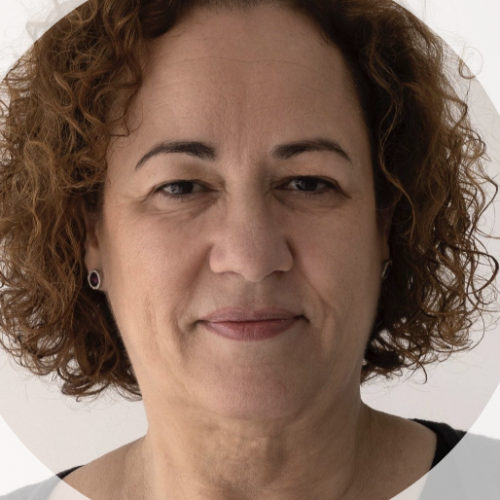
معرفی
Inmaculada Fuentes Dura is an Associate Professor in the Department of Personality, Psychological Assessment and Treatment at the Faculty of Psychology and Speech Therapy, University of Valencia. She is actively engaged in research through several prominent research groups including GIEX-TMAP, TMEIC, Rehapsi, and VALSME, all centered on mental health, psychological assessment, and intervention in severe mental disorders.
Her research interests lie primarily in clinical psychology, with a focus on psychophysiological assessment in schizophrenia, cognitive dysfunction in mental disorders, psychosis, bipolar disorder, and psychosocial rehabilitation. She also contributes to research on mental health stigma and recovery-oriented interventions. Her work spans both diagnostic assessment and therapeutic innovation in severe mental illness.
The available publications (not listed in detail) suggest a long-term commitment to understanding the biological and psychological underpinnings of psychosis, particularly through electrodermal and cognitive measures. Her research trajectory reflects a consistent focus on integrating physiological data with clinical symptomatology in schizophrenia and related disorders.
Scientific Awards:
- No scientific awards listed in the provided text.
Advising and Grants:
Dr. Fuentes Dura supervised at least one doctoral thesis on electrodermal activity in schizophrenia. While no additional students or grants are mentioned, her involvement in multiple research groups indicates active mentorship and collaborative research funding. She likely participates in projects related to psychological assessment, cognition in mental disorders, and stigma reduction.
Labs and Research Teams:
She is a key member of four research groups: GIEX-TMAP (Excellence Research Group in Psychiatry), TMEIC (Psychological Assessment and Intervention in Cognition in Mental Disorder), Rehapsi (Psychosocial Rehabilitation and Recovery in Psychosis and Bipolar Disorder), and VALSME (Valencia Mental Health and Stigma). These groups reflect a comprehensive, multidisciplinary approach to severe mental illness, combining assessment, intervention, rehabilitation, and societal impact.