معرفی
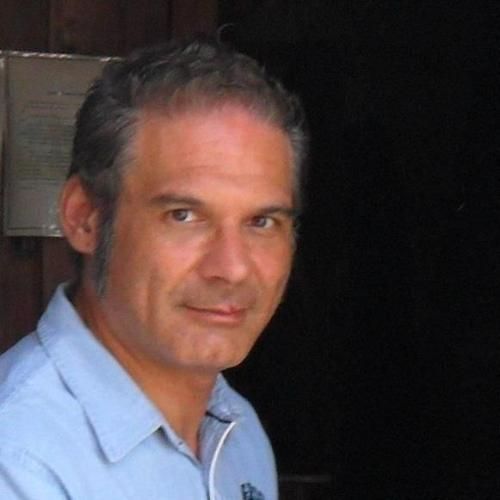
Dr. Hye Eun Chu is a Senior Lecturer in Education at Macquarie University's Department of Educational Studies, part of the Macquarie School of Education. She is also affiliated with the Lifespan Health and Wellbeing Research Centre. Her academic journey includes roles as Assistant Professor at Nanyang Technological University (Singapore) and postdoctoral research at Curtin University (Perth). Dr. Chu specializes in science education, focusing on formative assessment, conceptual development, and interdisciplinary approaches like STEAM. She has led projects funded by Macquarie University's Data Horizons Research Centre, exploring AI tools for science learning and AI-generated feedback effects. Her research spans over two decades, with notable contributions in environmental literacy, arts integration, and socioscientific issues in education.
Dr. Chu's education includes a PhD in Science Education, followed by postdoctoral work under Prof. David Treagust. She has taught at Dankook University (Korea) and coordinated courses on physics pedagogy and science education methods. Her teaching emphasizes evidence-based strategies to connect science with students' daily lives. Current research projects include AI-driven educational tools and a STEAM initiative integrating arts and culture into science teaching to enhance student engagement and conceptual understanding.
Her research themes include: (1) Formative assessment in science classrooms, (2) STEAM education's impact on student engagement, (3) AI applications in science learning, and (4) interdisciplinary environmental literacy programs. Recent work examines AI's role in feedback provision and its influence on student attitudes. She has secured grants for international collaborations, such as improving science education in Indonesia through teacher training programs.
Dr. Chu has delivered invited talks on AI in education and intercultural STEAM approaches, including presentations at global conferences. Her projects often involve cross-cultural teams and emphasize practical applications for K-12 classrooms. She leads initiatives to develop AI tools for assessing science understanding and improving learning outcomes.