معرفی
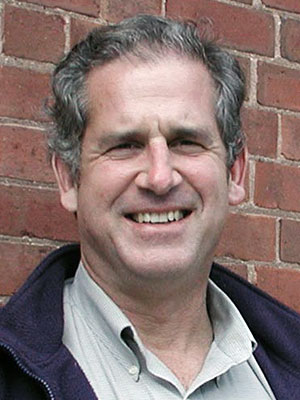
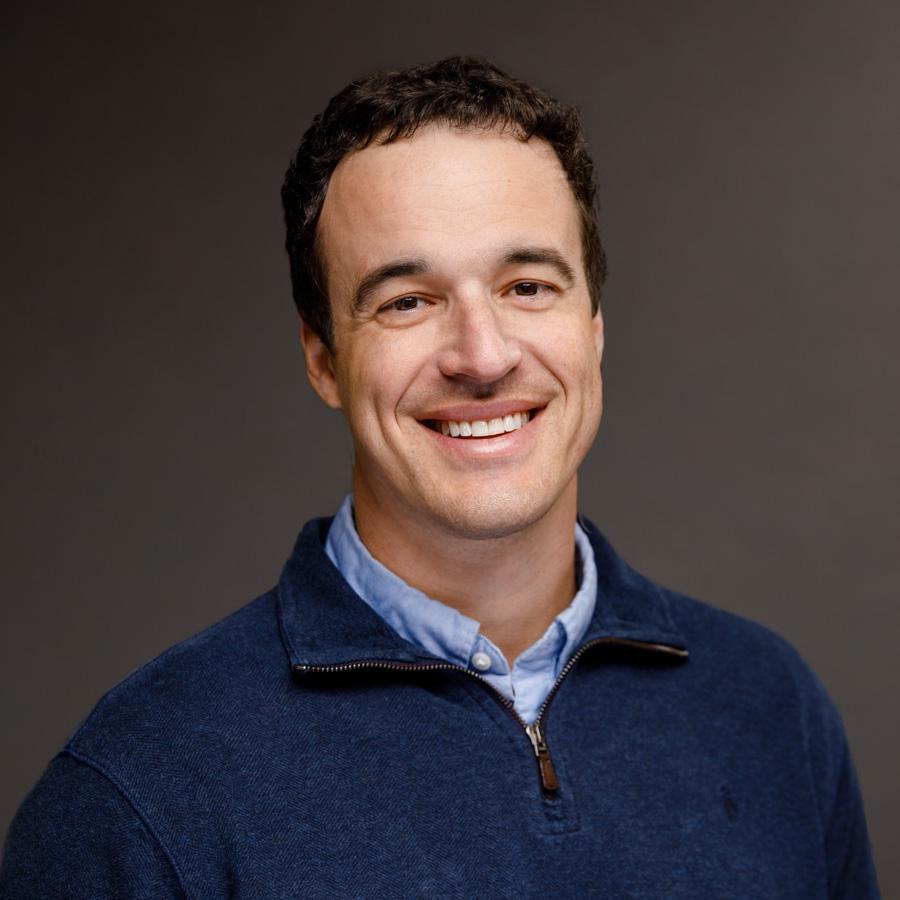
Herman Pontzer is a Professor of Evolutionary Anthropology and Director of Graduate Studies of Evolutionary Anthropology at Duke University, with additional appointments as Associate Research Professor of Global Health and Associate of the Duke Initiative for Science & Society. He earned his Ph.D. from Harvard University in 2006. His research integrates lab and field studies to investigate how ecology, evolution, and lifestyle shape metabolism, health, and physical activity in humans and apes. Fieldwork focuses on hunter-gatherer and pastoralist communities in Africa and South America, while lab work employs advanced techniques like doubly labeled water analysis to measure energetics.
Pontzer's research centers on evolutionary physiology, metabolic adaptation, and human ecology. Key interests include:
- Energetic trade-offs in evolution and daily life
- Impacts of diet, physical activity, and environment on health
- Physiological adaptations in small-scale societies
- Evolution of human locomotion and water conservation
His publications (2022–2025) demonstrate consistent themes: environmental stressors (drought, heat), metabolic measurement innovations, and cross-cultural health disparities. Over 60% of recent papers analyze energy/water expenditure in diverse populations, highlighting adaptations to climate, subsistence strategies, and life stages like pregnancy. This reflects a focus on human resilience and evolutionary constraints.
Awards & Honors:
- Outstanding Scholar Alumni Award, Penn State (2017)
- 40 Under 40 Rising Stars in N.Y. Food Policy (2017)
- Presidential Award for Distinguished Scholarship, Hunter College (2016)
- Harbison Faculty Fellowship, Washington University (2010)
- Herrnstein Prize, Harvard University (2006)
As Director of Graduate Studies, he oversees evolutionary anthropology doctoral training. He leads the Pontzer Lab, which conducts field expeditions and collaborates globally. Current projects include NSF-funded studies on hydration stress in Kenyan pastoralists and metabolic limits in endurance athletes.