معرفی
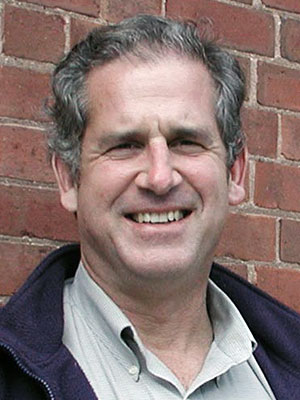
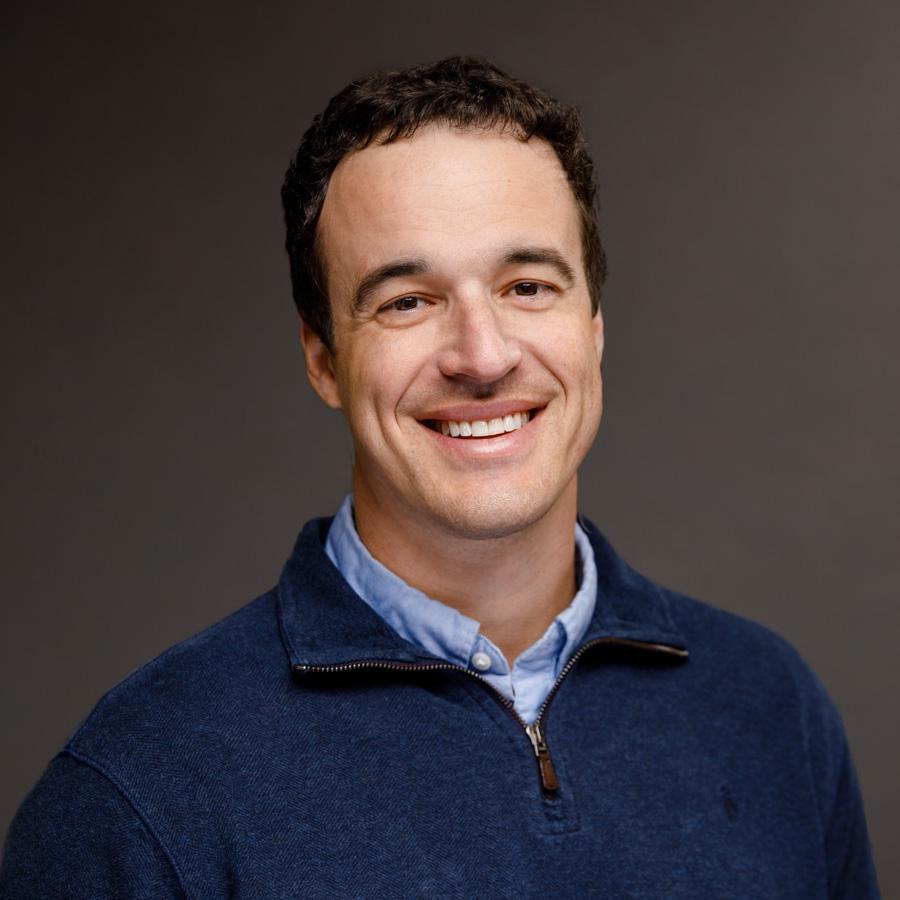
Samuel S. Urlacher is an Associate Professor and Graduate Program Director at Baylor University, directing the Human Evolutionary Biology and Health Lab (HEBHL). His integrative biocultural research spans anthropology, human biology, and global health, focusing on evolved energetic pathways in human development and health disparities.
His academic credentials include:
- PhD in Human Evolutionary Biology, Harvard University (2016)
- MA in Human Evolutionary Biology, Harvard University (2012)
- BS in Human Biology and Anthropology, Brown University (2009)
Urlacher investigates how humans allocate energy across competing physiological tasks (immune activity, brain development, growth, reproduction) across the life course, with emphasis on childhood development, the dual burden of growth faltering and obesity, and impacts of stress/pathogens on gut health. His work bridges human biology, behavioral ecology, and evolutionary medicine to address fundamental anthropological questions while reducing health disparities through fieldwork with Indigenous populations.
Recent publications (2018-2023) demonstrate consistent focus on childhood energetics using biocultural methodologies. Key trends include advancing doubly labeled water techniques for energy expenditure measurement, analyzing market integration effects on Amazonian child health, and developing evolutionary frameworks for immune-growth tradeoffs. These studies increasingly incorporate biomarker analysis and cross-population comparisons to model human life history evolution.
Urlacher actively mentors students and secures major funding from NIH, NSF, Leakey Foundation, CIFAR, Jacobs Foundation, and Czech Science Foundation. His lab recently secured an NSF DDRIG grant for Marcela Pfaff Nash's research on intestinal energy absorption and a CIFAR Catalyst grant studying housing transitions' impact on Chilean children's growth.
The HEBHL conducts long-term field research in Ecuador and Papua New Guinea, specializing in physiological biomarker measurement and energy expenditure tracking. The lab emphasizes collaborative community engagement, methodological innovation in evolutionary biology, and translating findings to improve health outcomes for research participants through science communication and outreach initiatives.