معرفی
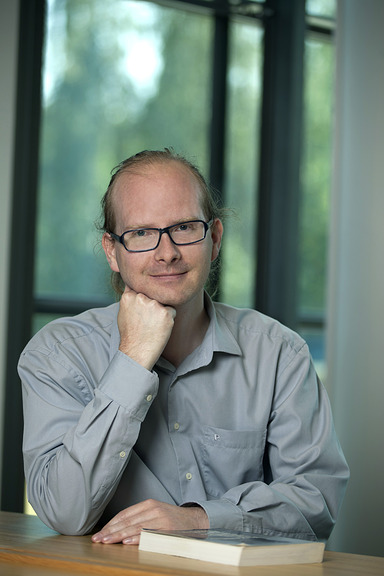
Henry Gustavsson is a researcher at Aalto University's School of Engineering with over 25 years of contributions to geotechnical engineering. His work spans frozen ground mechanics, carbon sequestration in soils, and sustainable construction methodologies, resulting in 60+ research outputs and extensive international collaboration through the International Society for Soil Mechanics and Geotechnical Engineering (ISSMGE).
He holds a Master's degree in Engineering and Technology from Helsinki University of Technology (awarded May 27, 1991), forming the foundation for his specialized expertise in soil mechanics and environmental geotechnics.
Gustavsson's research focuses on critical geotechnical challenges including frost heave in cold regions, CO2 sequestration through soil carbonation, and sustainable earth construction using recycled materials. Recent work examines the carbon sequestration capacity of stabilized soft clays and the utilization of surplus silica sand to reduce construction emissions, directly addressing UN Sustainable Development Goals for climate action and sustainable infrastructure.
Analysis of his 2021-2024 publications reveals a decisive shift toward environmental sustainability in geotechnics, with 80% of recent work dedicated to carbon reduction techniques and circular economy principles in soil engineering. This includes innovative approaches to repurpose industrial byproducts like recycled binders and quarry waste.
- Award for Achievements in Teaching (Aalto University, 2022)
His academic leadership is demonstrated through hosting international researchers like Beira Fontaine (2016), serving on scientific committees, and contributing to institutional knowledge transfer through professional publications in Geofoor journal. Collaborative projects with Professor Leena Korkiala-Tanttu highlight his integration within Aalto's geotechnical research ecosystem.
Gustavsson maintains active engagement with industry through press coverage of teaching innovations and participates in global knowledge networks via ISSMGE conferences and editorial board memberships, positioning him at the intersection of academic research and practical geotechnical applications.