معرفی
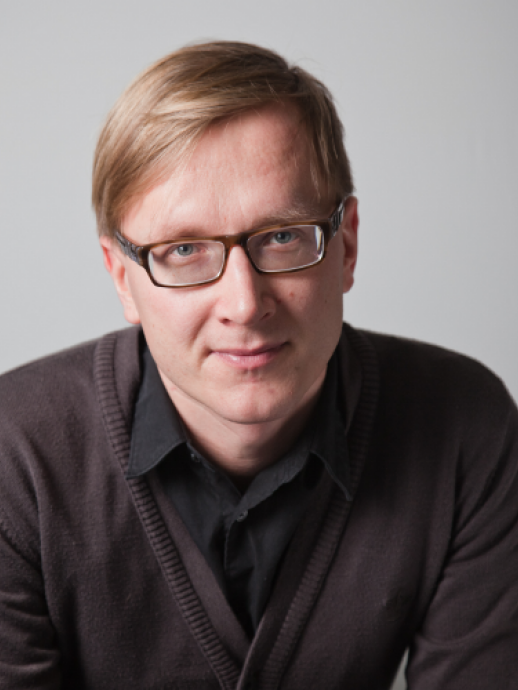
Henrik Dobewall is a Senior Researcher at the Finnish Institute for Health and Welfare (THL), within the Welfare State Research division, specifically the Socially Sustainable Society unit. He holds an Associate Professorship (Docent) in Sociology with a focus on Social Science Genetics and Sociogenomics at the University of Turku, Finland.
- Associate Professor (Docent), Sociology (Social Science Genetics / Sociogenomics), University of Turku, Finland (2024)
- Ph.D. in Psychology, University of Tartu, Estonia (2013)
- Master’s in Social Sciences, University of Göttingen, Germany (2009)
His research centers on the intersection of genetics, psychology, and social structure. He investigates mental health, social inequalities, gene-environment interactions, and life course development, particularly in the context of compassion, well-being, and educational outcomes. His work often leverages large-scale register and cohort data, such as the Young Finns Study and Finnish national registers, applying computational and longitudinal methods.
His most recent publications reveal a strong trend in analyzing intergenerational patterns of mental health and social disadvantage, the biological correlates of psychological traits (e.g., compassion and epigenetic aging), and the long-term impacts of childhood and adolescent environments on adult outcomes. His work spans disciplines including sociology, psychology, public health, and genetics, with a consistent methodological emphasis on longitudinal and population-based data.
Professional Memberships:
- Review Editor, Frontiers in Psychology (Personality and Social Psychology), 2018–present
- Member, International Association of Cross-Cultural Psychology, 2011–present
- Member, RC28 Social Stratification, 2021–present
Henrik Dobewall has held post-doctoral positions at the University of Oulu, University of Tampere, University of Helsinki, and Pompeu Fabra University. He is currently leading research on the MEDIG project, which investigates mental health and social disadvantage over the early life course. He is also involved in the Artificial Intelligence Solutions for Research working group. His work is supported by his expertise in data management and his multilingual skills (German, English, Finnish).
حوزههای پژوهشی